

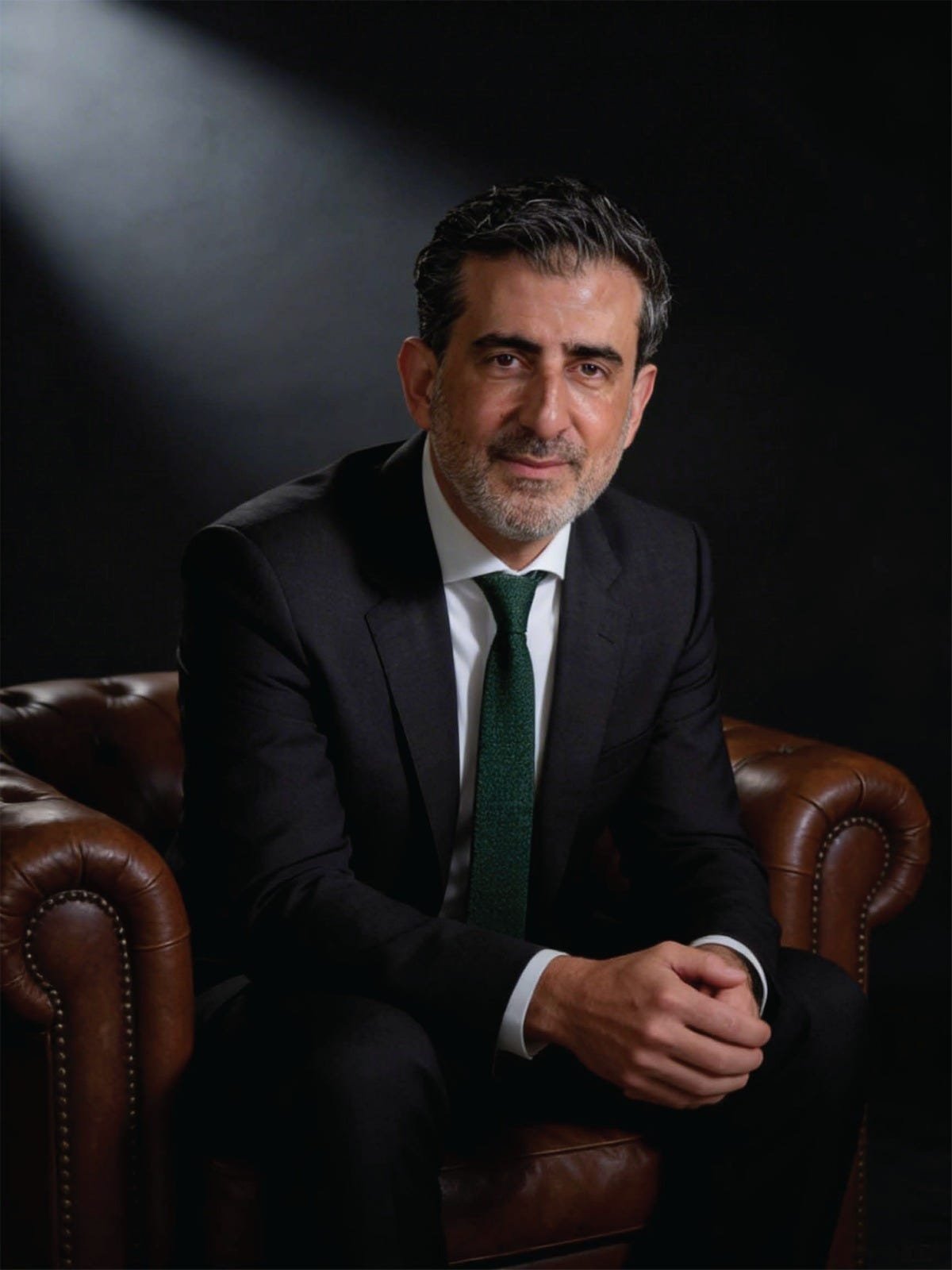
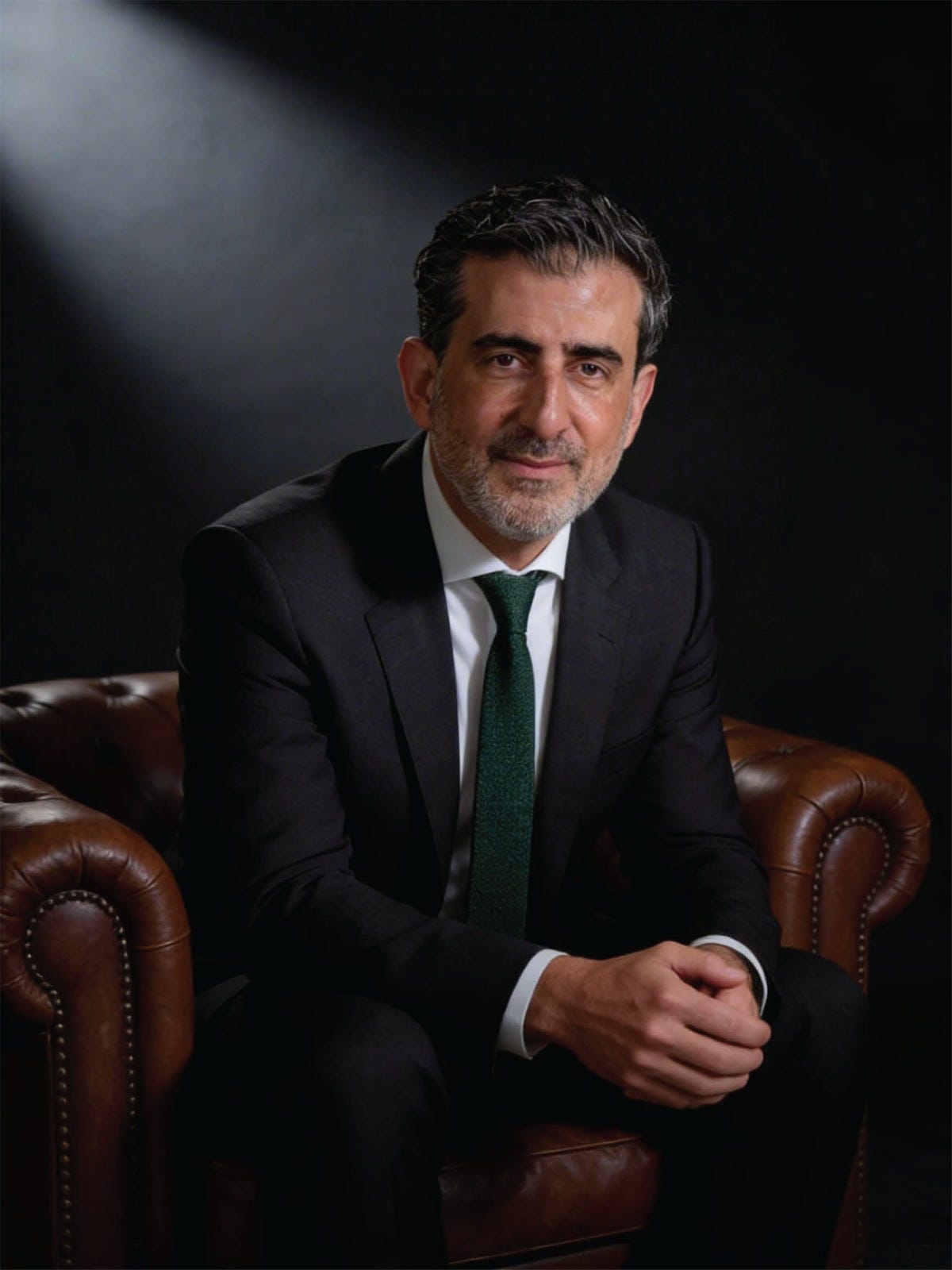
Investment entrepreneur Samer Choucair affirmed that the global shifts in work patterns are no longer just an administrative issue within companies, but have become an influential factor in investment decisions and directing capital toward new sectors tied to technology, digital infrastructure, and smart real estate.
He explained that the global debate over mandatory office return gained momentum following a recent study covered by the New York Times, which indicated that some leaders most insistent on full office attendance may be driven by factors related to control and traditional management more than productivity.
In contrast, Saudi Arabia is seeing growing adoption of flexible and hybrid work models, aligned with Vision 2030’s goals and digital transformation directions.
He noted that data from the Ministry of Human Resources and Social Development’s remote work program showed notable growth in this work pattern in recent years, with continued rising participation of Saudi women in digital and flexible jobs, supporting localization targets and improving labor market efficiency.
Redefining, Not Reducing, Office Real Estate
He added that the shift toward hybrid work doesn’t mean declining importance of office real estate, but redefining it, as the Saudi market is seeing growing demand for modern, flexible offices, supported by the regional headquarters program for global companies in the Kingdom.
Market estimates indicate the value of the Saudi office real estate sector could reach roughly 55.6 billion dollars by 2030, at a compound annual growth rate of nearly 7.8%, reflecting strong demand for high-quality office spaces equipped with modern technologies.
Choucair said: “The future isn’t heading toward eliminating offices, but toward developing more flexible, smarter work environments. Companies today are looking for spaces that support collaboration and creativity and integrate with digital work tools, and this creates important investment opportunities in smart real estate and office management technologies.”
Where the Opportunities Lie
He affirmed that the most attractive investment opportunities in the period ahead include digital collaboration platforms, AI technologies supporting productivity, real estate technology (PropTech) solutions, in addition to cloud computing, cybersecurity, and digital training services. These sectors align directly with Vision 2030’s targets aimed at building a diverse knowledge economy based on innovation and technology.
He added: “Saudi Arabia has become one of the fastest-growing markets in the region in terms of digital transformation and smart cities. Major projects like NEOM and the expansion of digital infrastructure open the door to long-term investments capable of achieving sustainable returns.”
He concluded by affirming that investors focused on technologies enabling flexible work and the digital economy will enjoy strong growth opportunities in the coming years, noting that combining smart real estate, technology, and digital human resources represents one of the most prominent value drivers in the modern Saudi economy, and strengthens the Kingdom’s ability to attract both investment and global talent simultaneously.