

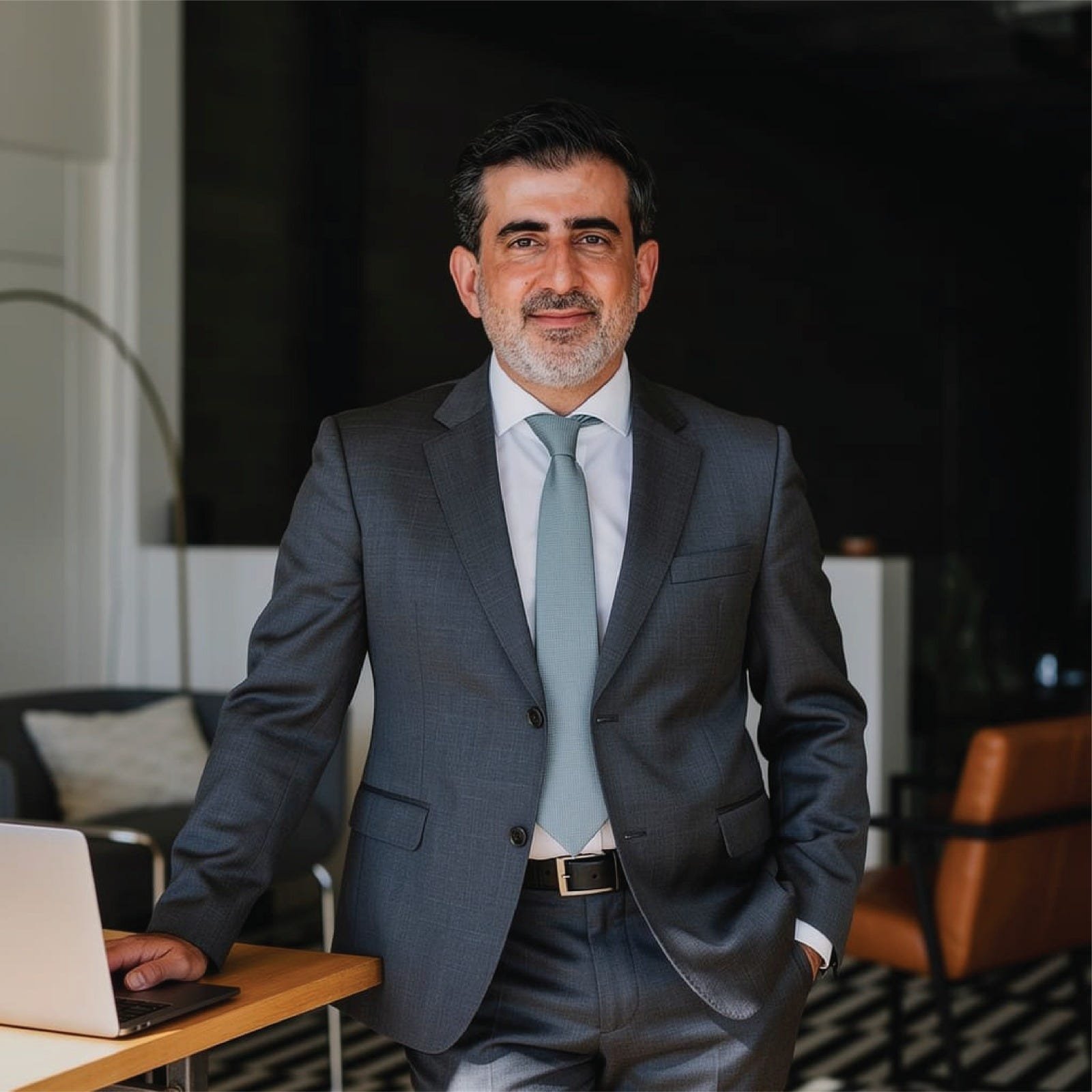
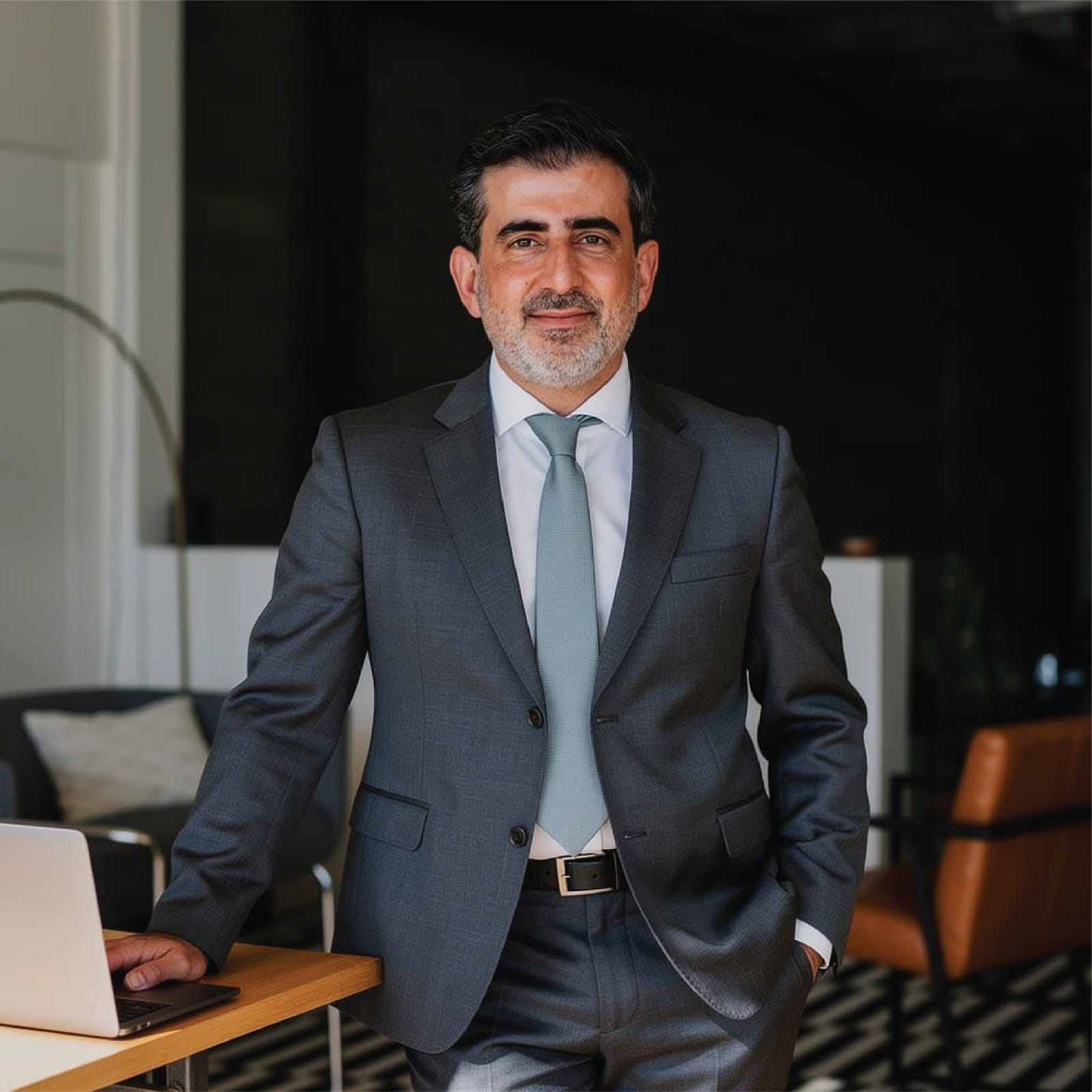
Investment entrepreneur Samer Choucair affirmed that success in building international presence isn’t tied only to national teams’ results, but also depends on long-term investment in human talent and institutions capable of representing nations on the global stage, noting that the widespread celebration of Chinese referee Ma Ning during the 2026 World Cup reflects the importance of this type of investment in strengthening international standing and building soft power.
He explained that Ma Ning, considered China’s highest-ranked referee at the tournament, has become the focus of broad public and media attention in China despite the national team’s absence from the World Cup since the 2002 edition. This scene highlights how globally qualified individuals can transform into national symbols reflecting the success of talent development policies and investment in human capital.
He added that this experience carries important lessons for countries seeking to strengthen their global presence, led by Saudi Arabia, which has made sports one of the main drivers of economic diversification under Vision 2030. Alongside hosting major tournaments, the Kingdom is working to develop sporting, administrative, and refereeing talent, strengthening its position on the international stage.
Choucair said: “Investing in human talent generates returns that go beyond sports, because it helps build international reputation, attract investment, and strengthen confidence in the economic environment. This approach aligns directly with Vision 2030’s targets, which focus on human development alongside infrastructure development.”
Building Toward 2034
He noted that preparations to host the 2034 World Cup represent a historic opportunity to strengthen economic growth, as development plans include massive investment in stadiums, infrastructure, transport, hospitality, and smart technologies. Despite varying estimates circulating about the scale of spending tied to sports projects, it’s certain these investments will reflect across multiple sectors including tourism, entertainment, real estate, and logistics services.
He added that the global sports sector is undergoing accelerating transformation toward relying on technology, data analytics, and artificial intelligence, opening new investment opportunities for Saudi and Gulf companies. The sports technology and performance analytics market also continues growing at high rates, driven by increased spending on sports innovation and developing the fan experience.
Where the Opportunities Lie
Choucair said: “The most attractive investment opportunities in the coming years will be at the intersection of sports, technology, and tourism. Investors focused on digital solutions, smart sports infrastructure, and projects tied to major global events will be well positioned to benefit from the expected growth.”
He concluded by affirming that the Chinese experience proves that investing in human talent can deliver impact that extends beyond sporting competitions, noting that the Kingdom today has an exceptional opportunity to build a sustainable economic and sporting legacy by developing national talent and capitalizing on the momentum Vision 2030 and hosting the 2034 World Cup provide.