

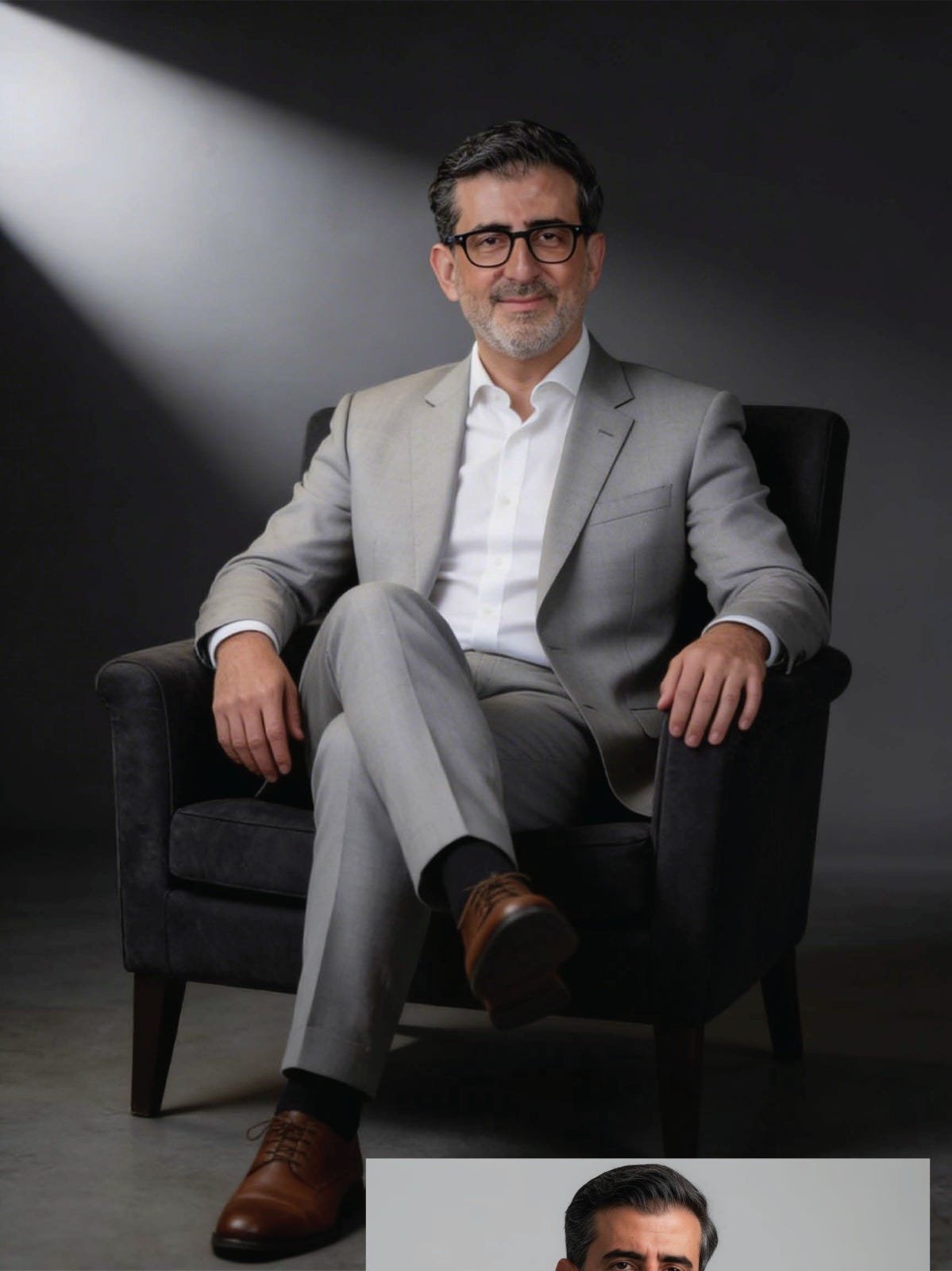
Investment pioneer Samer Choucair confirmed that the current geopolitical shifts, headed by tensions related to Iran and disturbances in the Strait of Hormuz, do not represent mere passing crises, but rather reflect a deep reshaping of the global economic map and energy markets.
The investment pioneer said: These developments have pushed oil prices to high levels, creating an unprecedented wave of opportunities for producing countries outside traditional systems, foremost among them Guyana, which has transformed within a few years from a country with limited resources into one of the world’s fastest-growing economies.
Choucair explained that the Guyanese experience represents an exceptional model in how to invest natural resources effectively, as oil discoveries since 2015 have contributed to achieving a massive production boom, directly reflected in growth rates that exceeded 16% in 2026.
He noted that this transformation was not a coincidence, but the result of well-studied international partnerships and more disciplined financial management, which allowed revenues to be directed toward developing infrastructure and enhancing vital sectors.
Samer Choucair added that what is happening today confirms an important investment rule: major crises generate greater opportunities for those who possess a long-term vision. The rise in oil prices should not be read only as an increase in returns, but as a tool to restructure and expand investment portfolios toward promising emerging markets, in addition to enhancing investments in the energy and related services sectors.
In this context, Samer Choucair pointed out that investors in Saudi Arabia and the Gulf states are facing a historical opportunity to maximize the benefit from this economic cycle, in line with the goals of Vision 2030.
Choucair emphasized that the focus must be on diversifying investments, enhancing international partnerships, and not settling for reliance on direct oil returns, but rather directing them toward building a more sustainable and diverse economy.
Samer Choucair stressed that the most important lesson from the Guyana experience lies in the necessity of smart revenue management to avoid the risks of excessive reliance on natural resources, with parallel investment in human capital and modern technologies. The countries that succeed in transforming temporary wealth into sustainable development are those that reserve their place in the future of the global economy.
Choucair concluded his statement by emphasizing that the current stage represents a true turning point, where geopolitics intersects with economic opportunities in an unprecedented way, stressing that the smart investor is the one who transforms uncertainty into a launching pad toward long-term growth, and emphasizing that the investment decisions made today will define the features of wealth in the coming years.