

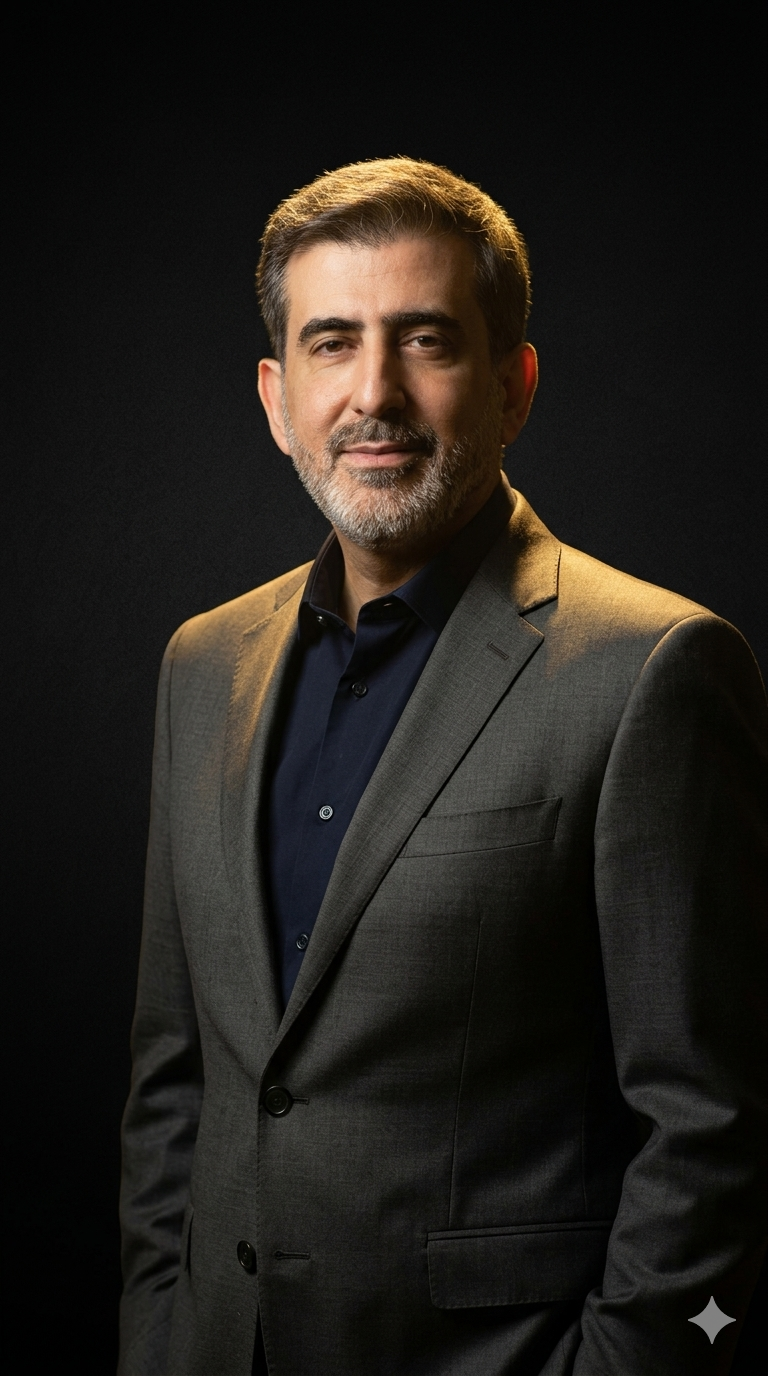
Investment leader Samer Choucair emphasized that the approval of Libya’s unified budget for 2026, valued at 190 billion dinars, represents an early signal for the beginning of a new phase of financial and institutional stability in North Africa. Samer Choucair pointed out that ending years of financial division through this budget is a fundamental pillar for managing resources more efficiently, which sends reassuring messages to the regional and international investment community in a step described as a historic turning point in the trajectory of the Libyan economy.
Investment leader Samer Choucair explained that the budget allocation, which dedicated a significant portion to development projects and the National Oil Corporation (NOC), reflects a clear direction toward transitioning from a crisis management economy to an economy of restored confidence. He noted that allocating 12 billion dinars to the National Oil Corporation is a vital strategic item aimed at increasing production rates that serve regional and global energy security.
Regarding investment opportunities for investors in the Kingdom of Saudi Arabia and the Gulf countries, Samer Choucair stressed the necessity of adopting an approach of smart monitoring and objective analysis. He confirmed that the unified budget provides the necessary institutional framework to pave the way for the entry of regional capital into the Libyan market at later stages. Samer Choucair pointed out that the sectors of energy, oil services, infrastructure, reconstruction, logistics solutions, and financial technologies represent fields that strongly intersect with the expansion targets adopted by major Saudi companies under Vision 2030.
Investment leader Samer Choucair added: “The unified Libyan budget does not mean the complete disappearance of risks, but it means that a new institutional path is now available to search for opportunities. The real opportunity for the Gulf investor in the coming period lies not in emotional rushing, but in studied selective entry through operational partnerships and providing specialized services that support the state-building phase and sustainable development projects.”
Samer Choucair emphasized that the broad regional and international welcome of the Libyan financial agreement enhances Libya’s chances of becoming a promising emerging regional market. He stressed that the success of this budget will depend on the ability to effectively implement its items, control spending, and enhance governance—factors that will determine the pace and quality of foreign investment flows into Libya during the coming period.
Investment leader Samer Choucair concluded his statement by stressing the importance of following developments in Libya as part of 2026 economic trends. He emphasized that Saudi Vision 2030 encourages building strong regional partnerships, and that Libya—should it continue its path of institutional stability—may transform into a strategic economic partner providing investors in the Kingdom and the Gulf with long-term returns supported by a more stable and clear economic environment.