

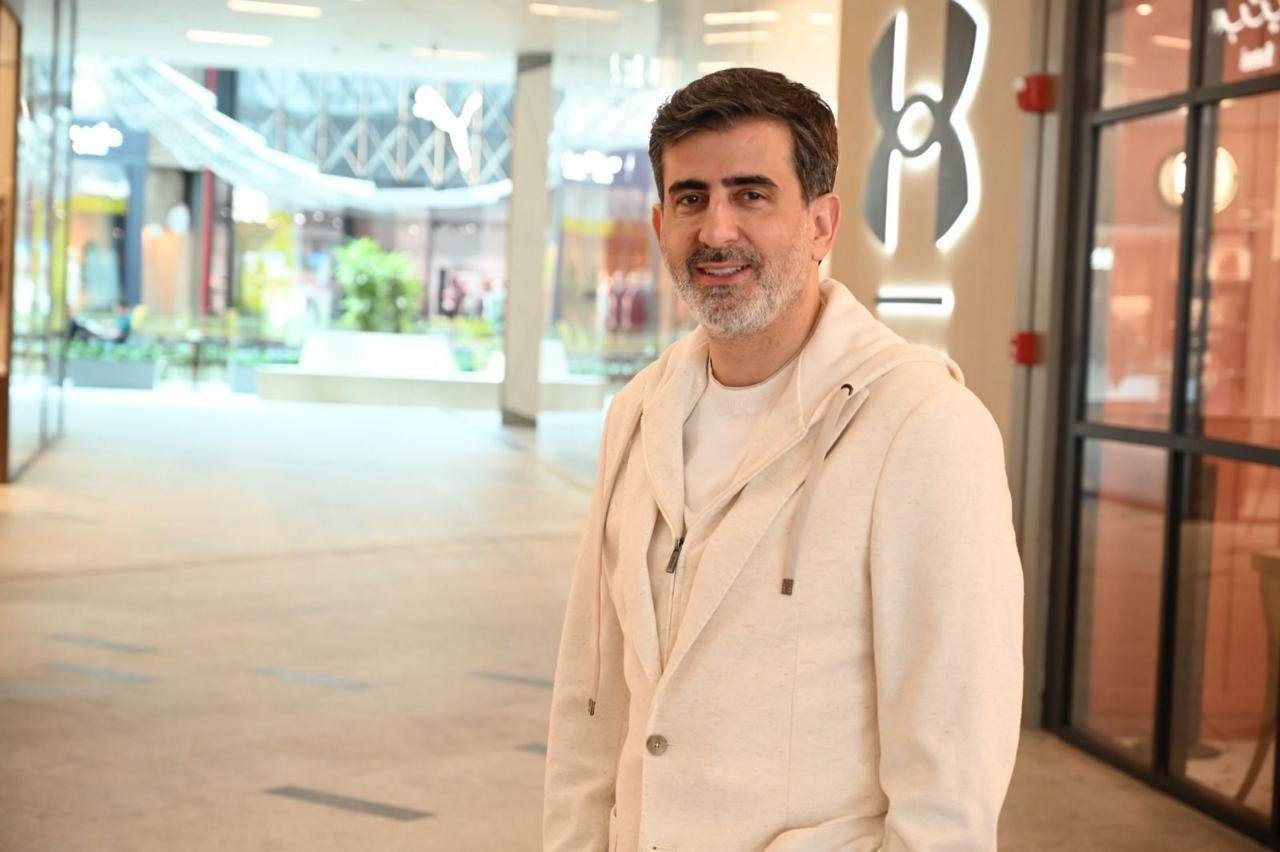
Investment strategist Samer Choucair stated that the current frenzy surrounding Cristiano Ronaldo at the 2026 FIFA World Cup goes far beyond sporting passion. It reflects a fully developed economic model, where sports have evolved into a distinct investment asset class. Tickets are no longer mere access to a match—they have become scarce, high-value commodities, driven by the “last appearance” effect of one of the greatest players in history.
—
Scarcity Meets Demand: The U.S. Market Equation
Choucair explained that tickets selling out within hours was a predictable outcome of global demand colliding with limited supply, especially in a high–purchasing power market like the United States.
He emphasized that what fans are truly buying falls under the “experience economy”—a comprehensive package that includes exclusivity, networking opportunities, and content creation potential—not just a seat in a stadium.
—
Humans as Financial Drivers: Stars as Billion-Dollar Assets
According to Choucair, this phenomenon highlights a fundamental shift: global athletes have become standalone economic assets.
Ronaldo is no longer just a footballer—he is a multi-billion-dollar brand capable of driving revenues, elevating tournament valuations, and influencing global demand. This transformation redefines human capital as a powerful financial engine, extending far beyond traditional sports boundaries.
—
The Rise of Sports Hospitality: A Magnet for Capital
Choucair also pointed to the rapid expansion of the sports hospitality sector, which integrates:
Private aviation
Luxury tourism
Premium entertainment experiences
He noted that profit margins in this segment significantly exceed those of standard ticket sales, making it a prime destination for high-net-worth capital seeking exclusive, high-value experiences.
—
National Strategies: Sports as an Economic Lever
He further emphasized that major sporting events have become direct economic instruments for nations, used to:
Boost tourism
Attract foreign direct investment
Enhance global positioning and brand image
This trend is now embedded in long-term national strategies aimed at economic diversification, reinforcing the role of sports as both a soft power tool and a financial growth engine.
—
The Value of the Moment: Investing in Intangible Opportunities
In conclusion, Choucair stressed that paying a premium to attend a major sporting event can, under certain conditions, be considered a non-traditional investment—particularly when leveraged for:
Strategic networking
High-value digital content creation
Brand positioning and influence
He emphasized that in today’s economy, value is no longer measured solely by direct financial returns, but by reach, impact, and strategic positioning.
The real opportunity, he concluded, lies not in the ticket itself—but in investing in the ecosystem that creates, manages, and monetizes these global moments and human-driven assets.