

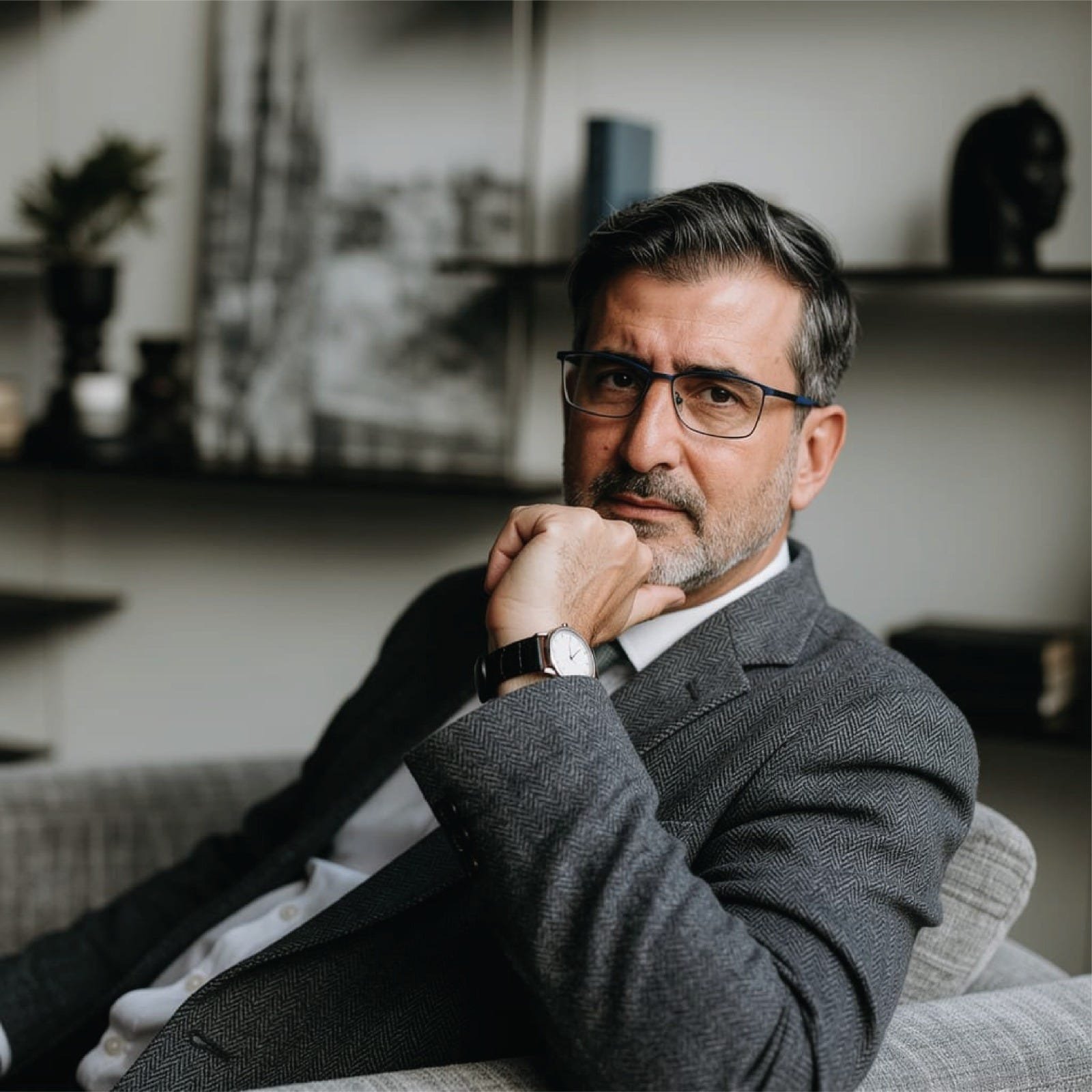
Investment leader Samer Choucair confirmed that the mutual waiver agreement for entry visa requirements for holders of diplomatic and special passports between the Kingdom of Saudi Arabia and the Republic of Turkey represents a fundamental turning point in the path of economic relations between the two countries. Samer Choucair explained that this step, signed during the third meeting of the Saudi-Turkish Coordination Council in Ankara, transcends the diplomatic dimension to form the beginning of a new phase of investment flows and comprehensive trade partnerships. This agreement comes at a time when economic relations are witnessing great momentum, as trade exchange between Riyadh and Ankara exceeded 8.6 billion dollars last year, with expectations for it to grow to surpass the 10 billion dollar mark during 2026. This step aims to facilitate the rapid movement of businessmen and official delegations, accelerating the pace of concluding deals and implementing joint projects.
Investment Vision for 2026
In his analysis of this development, Samer Choucair said: “This agreement is not just a procedural facilitation, but a gateway for the flow of capital and expertise between the two countries. In 2026, investors are looking for stable and promising markets, and the Saudi-Turkish partnership provides exactly that, especially in the renewable energy and infrastructure sectors which are the foundation of Vision 2030.” Samer Choucair added: “Saudi Arabia aims to attract foreign investments worth two trillion riyals by 2030, and Turkey possesses global experience in engineering projects and tourism. This rapprochement opens unprecedented opportunities for Gulf investors in joint partnerships, whether in the Saudi market or by benefiting from Turkey’s geographical location as a gateway to Europe and Central Asia.”
Promising Growth Sectors
Investment leader Samer Choucair identified a group of sectors that will directly benefit from this strategic rapprochement, led by the tourism and hospitality sector, as facilitating movement enhances attracting Turkish partners to participate in construction and operation projects in Saudi future cities such as NEOM and Qiddiya. He also pointed to major opportunities in the energy and industry, technology and innovation, and infrastructure sectors, which have already witnessed Turkish investments in the Kingdom exceeding 32 billion dollars. Regarding his advice to investors in light of 2026 economic trends, Samer Choucair stressed the importance of focusing on non-substitutable sectors such as financial technology and green energy, saying: “For investors in Saudi Arabia and the Gulf, focus on building early strategic partnerships, and invest in sectors that align with Vision 2030. Opportunities today are greater than ever, but success comes to those who possess a long-term vision and a strong network of relationships.”
Partnership for the Future
Samer Choucair concluded his statement by emphasizing that this agreement is an announcement of a new era of economic cooperation that serves development ambitions in the entire region, noting that the reduction of administrative barriers will contribute to transforming solid political relations into tangible economic returns that serve investors and entrepreneurs in the Kingdom and the Gulf alike.