

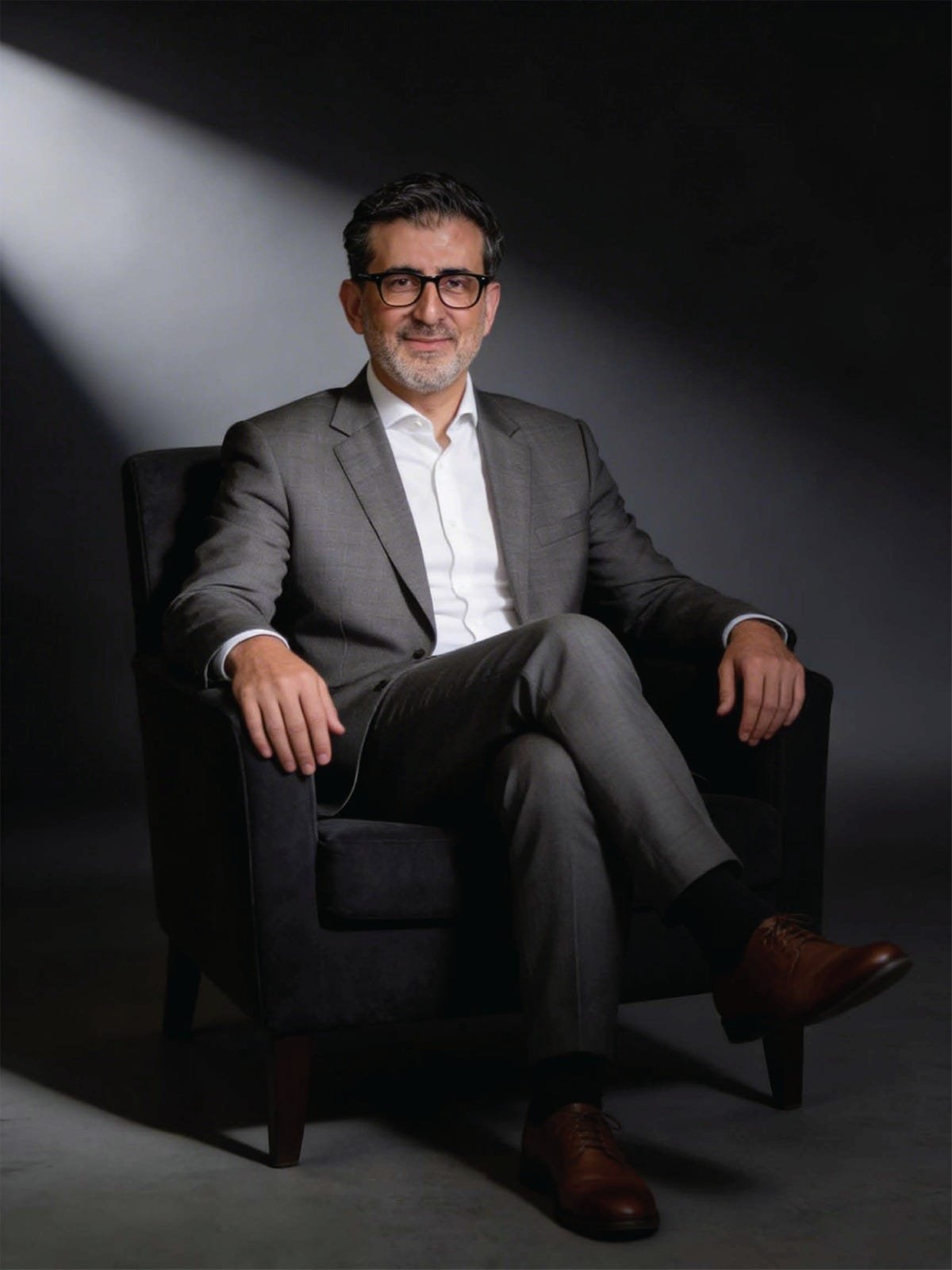
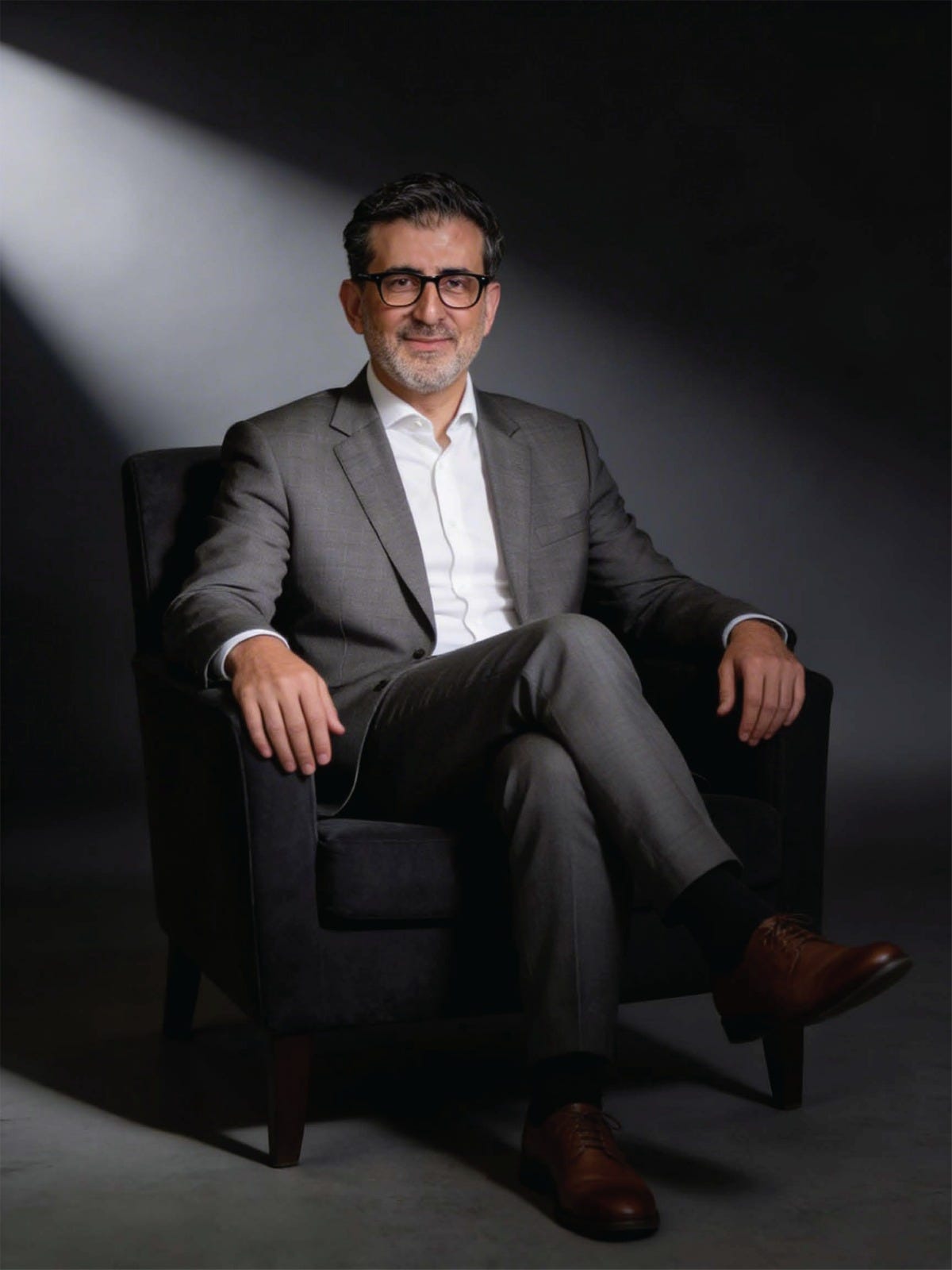
Investment leader Samer Choucair believes that the controversy sparked by American warnings regarding radical changes to the “SAVE” student loan program reflects a deeper transformation in the structure of the global economy, and not merely a passing education financing crisis.
The scene that recently circulated, showing sharp warnings about the consequences of these changes, reveals growing pressures on more than seven million borrowers who will face a short window to transition to new repayment plans, with the possibility of installments rising to levels that may impede their capacity for financial stability.
Choucair affirms that these developments raise fundamental questions about the sustainability of traditional education financing models, particularly those that rely on long-term debt without genuine linkage to graduates’ capacity to generate income commensurate with their obligations.
He noted that this reality presents a lesson of profound importance for Gulf states, where efforts are accelerating toward building a diversified knowledge-based economy led by ambitious strategies such as Vision 2030.
From this perspective, Choucair explains that education financing is no longer merely a social support instrument, but has become a strategic element in shaping the future of economies. In Saudi Arabia, where the number of students and trainees is growing significantly, these transformations represent an opportunity to redesign a more flexible educational and financing ecosystem capable of producing talent with competitive skills in the digital economy.
Choucair emphasizes that genuine investment in the coming phase does not lie in securing traditional jobs, but in building individuals capable of creating opportunities themselves.
He explained that directing resources toward developing technical skills, particularly in artificial intelligence and digital technologies, represents the highest possible investment return in 2026.
He added that financial decisions built on fear of the future typically lead to limited results, while conscious investment in human capabilities creates sustainable value.
Choucair also highlights that the education sector in the Gulf opens wide horizons for investors, beginning from digitally supported learning platforms, moving through professional training programs linked to market needs, arriving at the development of innovative financing models that reduce the burden of debt and enhance access to education.
He believes these models must be built on partnerships between financial institutions and educational bodies to ensure the achievement of a balance between profitability and social impact.
Choucair concludes his vision by affirming that global transformations in education financing represent a defining moment for redefining investment priorities.
Nations that succeed in building strong human capital will be the most capable of confronting economic volatility, while economies that rely on traditional models will face escalating challenges in a rapidly changing world.