

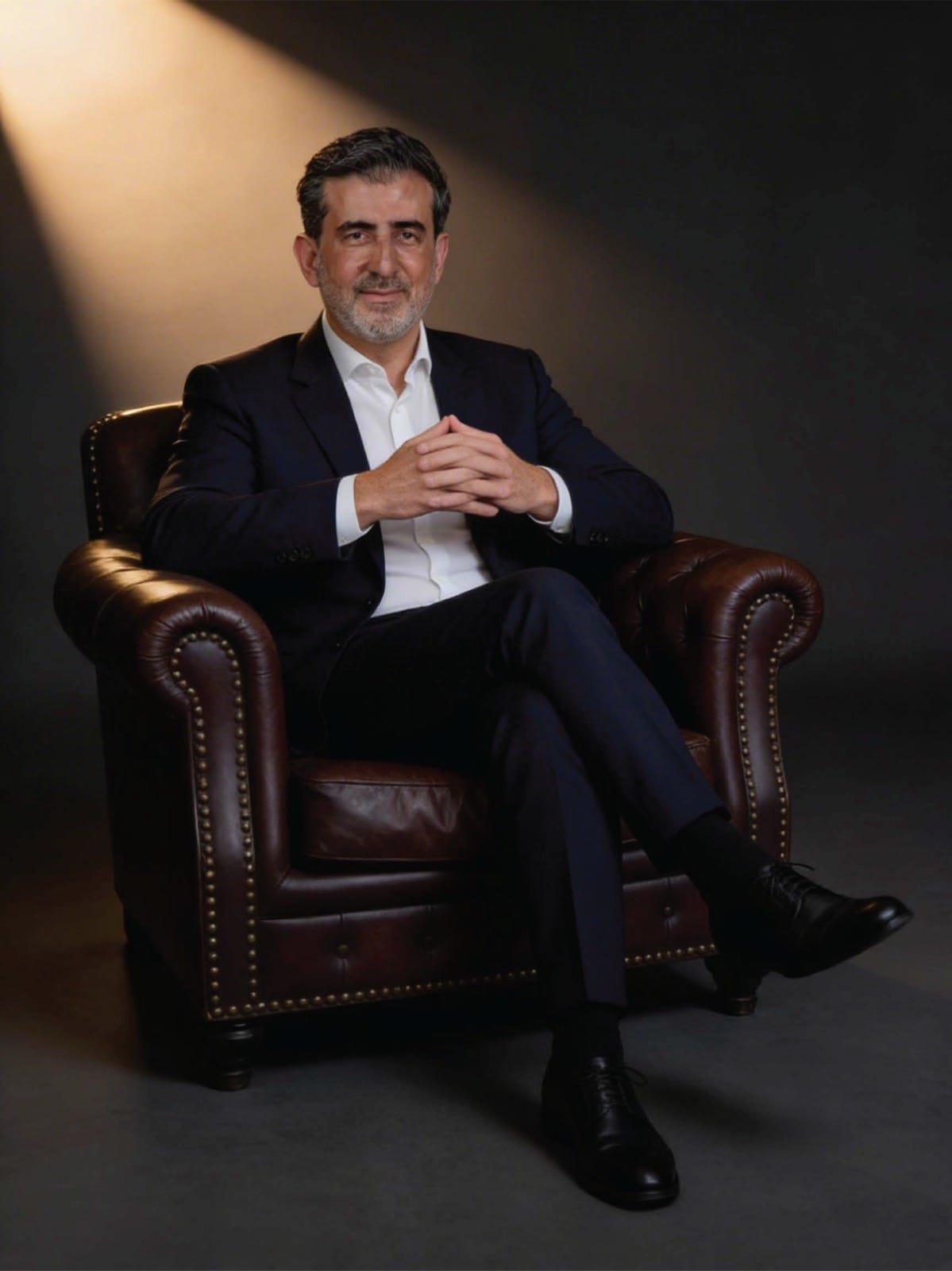
Investment leader Samer Choucair believes that the escalating warnings in the United States regarding radical changes to the “SAVE” student loan program are not merely a local crisis, but a global indicator of a deep malfunction in traditional education financing models.
With July 2026 approaching, more than seven million borrowers face a short window of no more than 90 days to transition to new repayment plans, amid genuine concerns about installments rising to unaffordable levels, which may restrict the capacity of young people to build their financial and professional futures.
Choucair affirmed that these developments reflect a broader truth: reliance on rigid debt models is no longer sustainable in a rapidly changing economy, where knowledge and practical skills have become the decisive factor in determining an individual’s economic value.
He explained that what is happening in the United States presents an important strategic lesson for Gulf states, which are seeking to reshape their economies through investment in people within the targets of Vision 2030.
Choucair noted that Saudi Arabia possesses a unique opportunity to transform this global challenge into a launching point, particularly with a growing educational infrastructure and ambitious human capability development programs.
He stated that the focus must no longer be on financing education as a service, but on designing an integrated ecosystem that converts the learner into a productive economic asset capable of adapting to technological transformations.
From this perspective, Choucair emphasizes that genuine investment in 2026 does not lie in traditional financial instruments, but in building individuals who possess strategic skills that make them irreplaceable.
He added that family spending driven by fear to secure future jobs is no longer effective, and resources must instead be directed toward developing technical and digital skills, particularly in artificial intelligence and advanced professional specializations.
Choucair also explains that investment opportunities in the education sector across the Gulf are expanding rapidly, beginning from digital learning platforms supported by modern technologies, moving through professional training programs linked to market needs, arriving at the innovation of flexible financing models in which financial institutions and educational bodies participate.
He affirms that these models are capable of achieving a balance between financial sustainability and creating opportunities for youth without burdening them with excessive debt.
Choucair concludes his vision by affirming that the ongoing transformations in education systems globally represent a decisive moment for rethinking investment priorities.
Nations that succeed in building strong human capital will be the most capable of confronting economic volatility and achieving sustainable growth, while dependence on traditional models will remain an escalating risk in a world changing at unprecedented pace.