

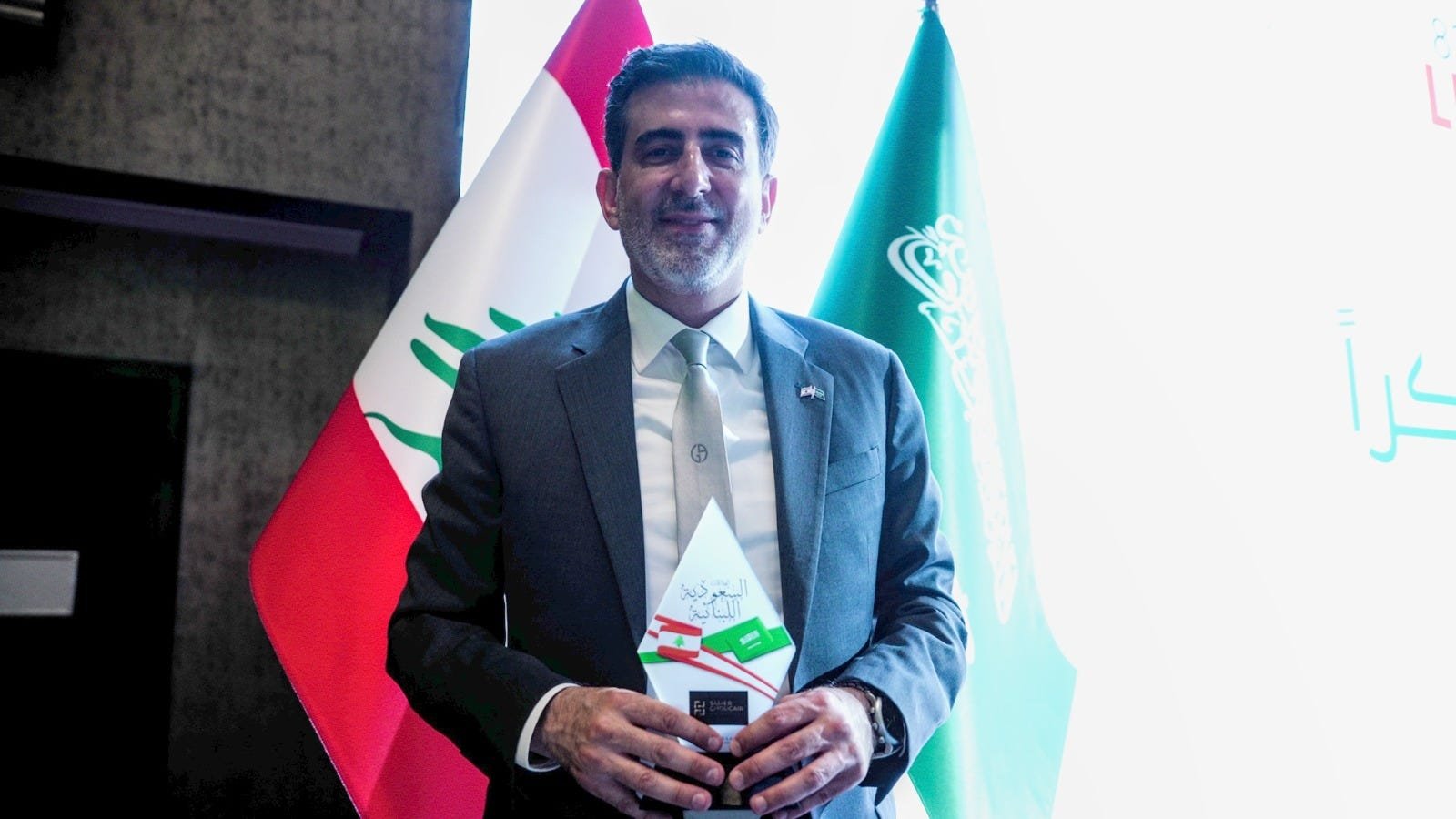
Investment entrepreneur Samer Choucair affirmed that recent developments in US policies governing the export of artificial intelligence technologies reflect a growing global trend toward tighter oversight of advanced models, particularly those used in sensitive applications.
He explained that reports circulating about restrictions being imposed on access to certain advanced models, or limits on their use outside the United States, clearly reflect that artificial intelligence has become part of national security calculations, not merely a commercial technology sector.
Treating Unverified Reports With Caution
He noted that what are known as advanced models in the market, such as large generative models, are being developed within an intensely competitive framework among global companies, but there is currently no reliable official data confirming the names of the models or the details of the restrictions as circulated in some reports, which calls for treating this news cautiously and analyzing its trends rather than its unconfirmed details.
He added that the more important trend lies in the escalation of US and European regulatory policies related to artificial intelligence, particularly those tied to data protection and preventing unauthorized military or intelligence uses, which is pushing many countries to accelerate building their local technical capabilities and reduce reliance on foreign solutions.
Saudi Arabia’s Position to Benefit
In this context, Choucair affirmed that Saudi Arabia stands out as one of the most prominent beneficiaries of this global shift, backed by Vision 2030, which places digital transformation and artificial intelligence among its strategic priorities.
He explained that the Public Investment Fund continues strengthening its investments in this sector through global partnerships and national initiatives, including the company “HUMAIN,” which aims to build advanced AI infrastructure within the Kingdom, with investments estimated at tens of billions of dollars within long-term plans.
Samer Choucair said: “What we’re seeing today is artificial intelligence transitioning from being a technical service to being a strategic asset for nations, and this opens broad opportunities for investors in Saudi Arabia and the Gulf in data centers, digital infrastructure, Arabic-language models, and sector-specific applications in energy, health, and finance.”
A $150 Billion Opportunity by 2030
He noted that global economic estimates suggest artificial intelligence could contribute between 100 and 150 billion dollars to the Saudi economy by 2030, equivalent to roughly 10% to 13% of GDP, according to various international estimates, with continued growth in government and private investment in this field.
He pointed out that major data center projects in the region, which could reach capacities of hundreds of megawatts, reflect a strategic shift in the Gulf’s position as a global hub for cloud computing and artificial intelligence, particularly amid growing partnerships with major global technology companies.
Samer Choucair concluded by affirming that the period ahead will see a clear reshaping of value chains in the technology sector, and that investors who focus on digital infrastructure and AI startups will enjoy strong growth opportunities during 2026 and beyond, amid accelerating regulatory and technological shifts globally.