

As global commodity markets redraw their maps, wheat has returned to the spotlight after hedge funds began betting on it for the first time in four years.
According to data from the Commodity Futures Trading Commission (CFTC), net long positions in Chicago wheat have reached unprecedented levels, with contracts rising to 8,641 after years of bearish dominance. This shift is not случай—it reflects a combination of natural and geopolitical factors directly impacting global supply.
—
What’s Driving the Surge?
The first factor is drought in the U.S. northern plains, which has pushed the Department of Agriculture to lower winter crop forecasts.
The second is rising geopolitical tension—particularly in the Gulf and around the Strait of Hormuz—affecting fertilizer prices and shipping costs, alongside ongoing complications in Russian and Ukrainian wheat exports, which together account for nearly 30% of global trade.
The third factor is price momentum itself, with wheat reaching $650–$670 per bushel—levels not seen in years—signaling a potential upward cycle with global economic implications.
—
A Sensitive Situation for the Arab World
In Arab countries, where more than 70% of wheat consumption depends on imports, the situation becomes increasingly fragile.
Egypt, importing around 12 million tons annually, faces mounting pressure on its budget. Meanwhile, Saudi Arabia, the UAE, Jordan, and Iraq must secure sufficient reserves to avoid rising bread subsidy costs.
The social dimension is equally critical. The risk of unrest—similar to what was seen in 2008 and 2011—could re-emerge if preventive measures are not taken.
—
Where the Opportunities Lie
Despite the risks, opportunities are emerging for investors who can read the shifts correctly.
Wheat futures and agricultural commodity ETFs offer direct exposure
Fertilizer and agri-tech companies provide opportunities to support local production
Gold and silver remain reliable safe havens during uncertainty
Investment in local agriculture across Gulf countries—driven by food security initiatives—presents long-term potential
—
A Highly Volatile Market
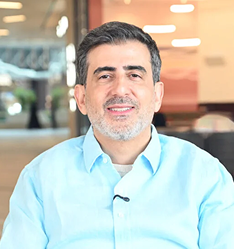
Choucair stressed that this market is highly volatile.
Any improvement in U.S. weather conditions or easing of geopolitical tensions could quickly reverse current trends.
Smart investing requires a deep understanding of supply-demand dynamics and disciplined risk management.
—
The Bigger Lesson
The most important takeaway is clear:
Food is now a strategic commodity—just as critical as oil.
Arab nations must strengthen reserves, diversify import sources, and invest in sustainable agriculture.
For investors, understanding these market dynamics before acting is essential.
Hedge funds do not place billion-dollar bets randomly—and knowing what they know can help shape better investment decisions and protect portfolios against a potential global wheat crisis.
—
Keywords:
Wheat Crisis, Commodity Investing, Wheat Prices, Food Security, Commodity Markets