

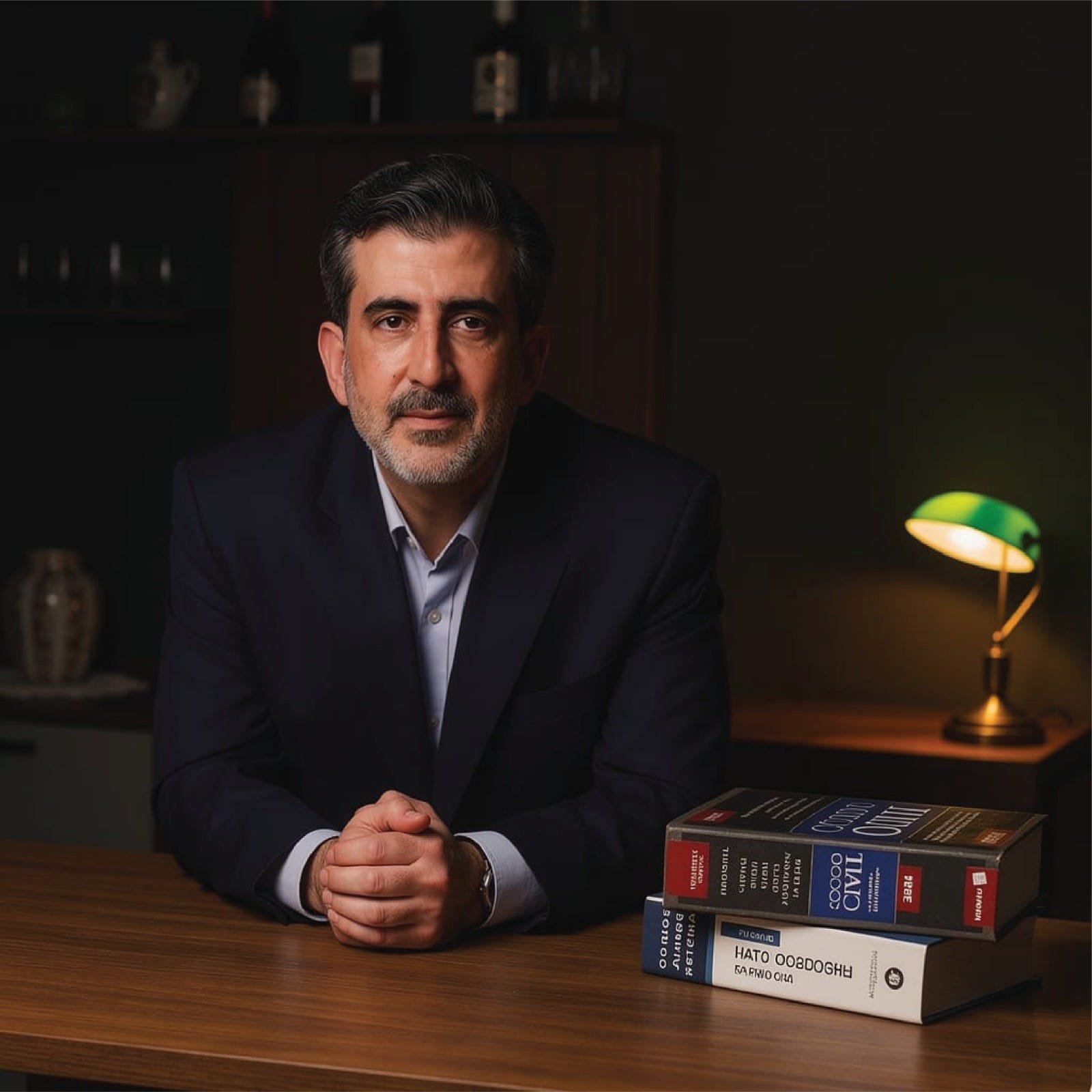
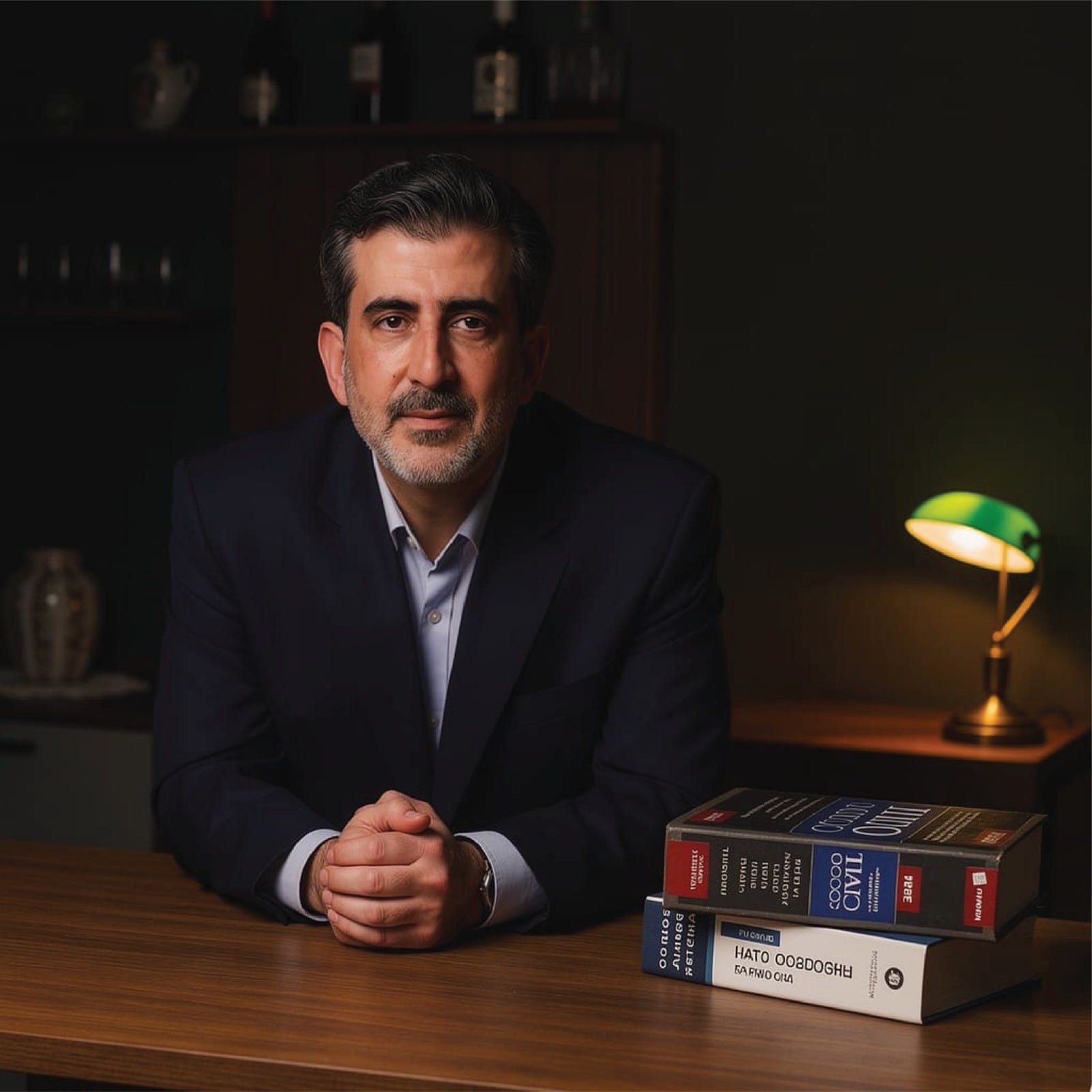
Investment leader Samer Choucair affirmed that the maritime scene of a massive oil tanker moving steadily with a small boat as escort is not merely a passing image, but a condensed expression of a world reordering its logistical priorities under the pressure of crises. With escalating geopolitical tensions, the efficiency of energy transportation is no longer merely an operational matter, but has transformed into a decisive element in the equation of economic influence.
He stated that the American administration’s decision to study extending the temporary exemption from the Jones Act clearly reflects this transformation. This law, which restricts the transport of goods between American ports to domestically built and operated vessels, had for decades represented a strict framework for protecting the maritime industry, but its temporary relaxation sends a different message: when supply chains come under pressure, flexibility becomes more important than traditional restrictions.
Choucair explained that from an investment perspective, the importance of the decision lies not only in its direct impact on the American market, but in its broader implication. Major economies have become ready to rapidly recalibrate their rules to ensure the flow of energy and essential goods, and this means that future value will not only belong to those who produce resources, but to those who can move them efficiently across the world.
He noted that this is where the importance of the transformations being led by Saudi Vision 2030 becomes apparent, as the Kingdom is no longer focusing only on energy exports, but on building an integrated logistics ecosystem that makes it a global hub for trade movement.
He highlighted that the geographic location between three continents, alongside investment in ports and infrastructure, grants Saudi Arabia a unique opportunity to benefit from a world searching for more flexible and lower-cost routes.
Choucair noted that the real investment opportunities do not appear in direct news, but in the deeper transformations they reveal. Growing global interest in transportation flexibility means expected growth in port and maritime services sectors, multimodal logistics services, and energy-linked infrastructure.
He explained that these sectors benefit not from a single event, but from a long-term trend reshaping global supply chains. The interconnection between different modes of transportation, from sea to rail, road, and air, will become a decisive factor in determining the winners in the new economy. The investor who looks at this ecosystem as a whole, rather than at separate assets, will be closest to capturing the real opportunities.
Choucair stated that these transformations do not mean the absence of risks, as markets that change rapidly impose challenges in planning and investment, requiring a deep understanding of energy and global trade cycles. Therefore, success depends not only on entering the right sectors, but on the timing of investment and managing it efficiently.
He concluded by stating that an amendment to a law or a temporary exemption must not be read as a passing headline, but as a signal of a new phase in which the strength of economies is measured by their capacity to adapt. The world is moving toward a system that rewards flexibility and speed, and Saudi Arabia is moving in this direction with clear steps. For the investor, this is not merely a story about maritime transport, but a story of the redistribution of value at the level of the global economy.