

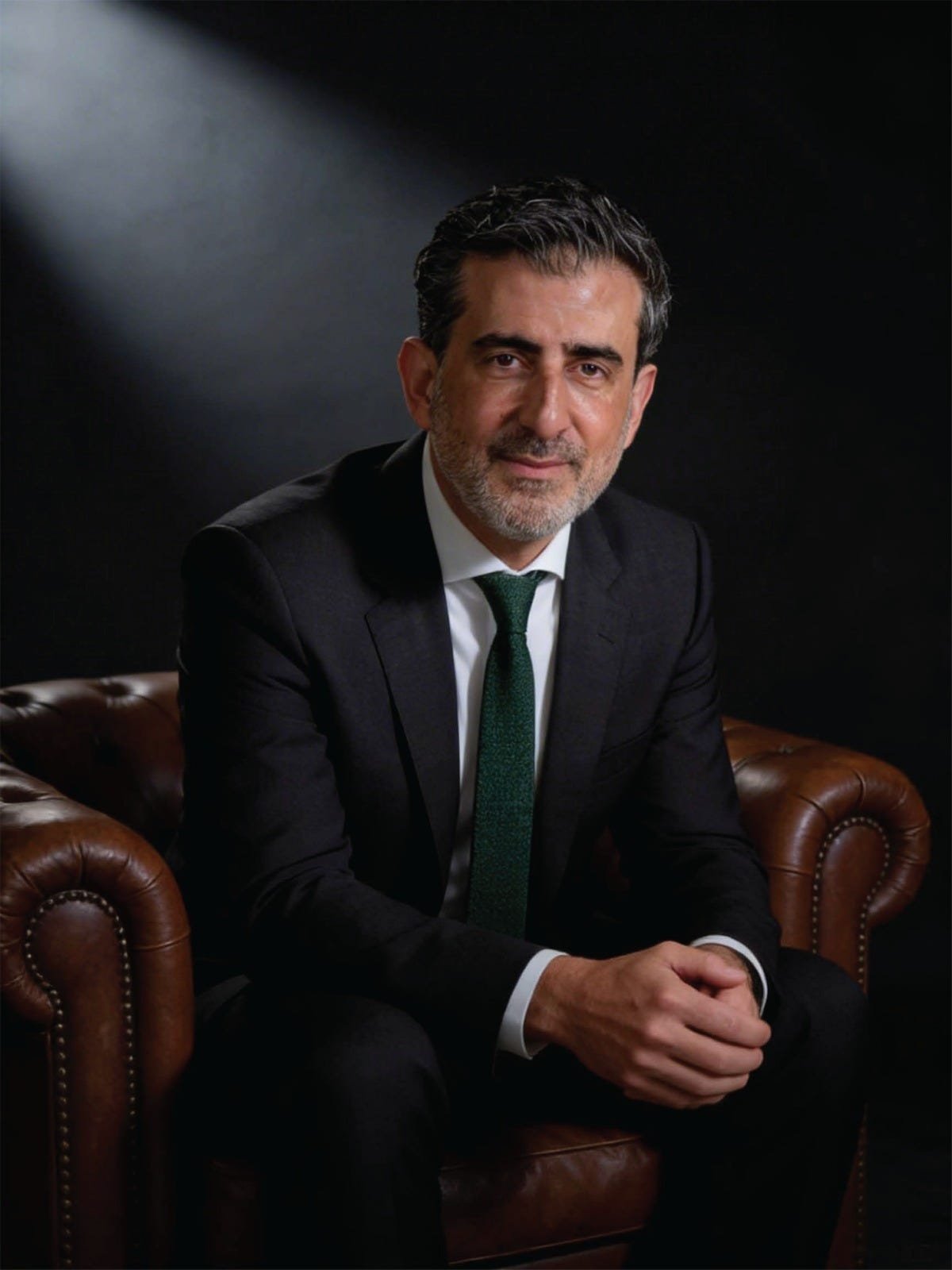
Investment entrepreneur Samer Choucair affirmed that the investment and entrepreneurial model Elon Musk built represents one of the most influential economic models of the 21st century, noting that his success isn’t tied only to the scale of wealth he achieved, but to his ability to build interconnected economic and technical ecosystems combining deep innovation, a long-term vision, and integrated execution.
He explained that the growing global discussions around the concept of “Muskism,” or the economic model tied to Elon Musk, reflect an important shift in understanding the nature of modern capitalism, as investment success is no longer based on owning assets alone, but on building integrated ecosystems that create value across multiple, interconnected sectors.
He noted that Elon Musk became the first person in history whose wealth surpassed the trillion-dollar mark during 2026, driven by exceptional growth in the value of his companies, led by SpaceX and Tesla, with his fortune estimated at roughly 1.1 trillion dollars according to recent estimates following SpaceX’s historic listing.
Choucair said: “What distinguishes Elon Musk’s experience isn’t just the scale of wealth, it’s the ability to turn bold visions into integrated economic ecosystems. The most important lesson for investors and entrepreneurs is that building real value begins with understanding fundamental problems and redesigning solutions from scratch.”
First Principles Thinking
He explained that the first pillar in Musk’s model lies in first-principles thinking, an approach based on breaking problems down into their fundamental elements and then rebuilding them in a way completely different from traditional models.
He added that this approach was clearly evident in developing reusable rockets at SpaceX, as the company didn’t just improve old designs, but completely redesigned the space launch system to lower costs and raise operational efficiency.
Deep Vertical Integration
Choucair affirmed that the second pillar lies in deep vertical integration, as Musk seeks to control as much of the value chain within his companies as possible, whether in manufacturing, software, artificial intelligence, or technical infrastructure.
He noted that this model gives companies greater ability to control costs and the speed of development and innovation, and reduces reliance on external suppliers in strategic sectors.
Choucair said: “One of the most important lessons that can be drawn from Musk’s experience is that companies controlling their core production elements have greater flexibility and a stronger ability to achieve sustainable growth.”
A Portfolio of High-Risk, High-Reward Bets
He explained that the third element in the model lies in building a portfolio of major, high-risk bets, as success doesn’t depend on a single project alone, but on a set of parallel initiatives serving integrated strategic goals.
He noted that companies like SpaceX, Tesla, xAI, Neuralink, The Boring Company, and platform X together form an interconnected ecosystem that allows transferring knowledge, technologies, and resources between different sectors.
Smart Public-Private Partnership
He pointed out that one of the most prominent features of this model lies in smartly capitalizing on partnership with governments and public institutions, affirming that many of the world’s major transformational projects succeeded thanks to cooperation between the public and private sectors.
Choucair said: “Major innovation needs patient capital and a supportive regulatory environment. Smart partnership with the state isn’t a substitute for the private sector, it’s an enabling factor that accelerates the implementation of high-risk strategic projects.”
He added that this concept directly intersects with the modern Saudi experience, as the Public Investment Fund leads massive investments in technology, renewable energy, advanced manufacturing, and digital infrastructure sectors, creating broad investment opportunities for the private sector.
An Interconnected Corporate Ecosystem
Choucair affirmed that one of the most important elements of Musk’s success lies in building an interconnected economic ecosystem where companies feed off each other, with each company becoming a source of support and reinforcement for the other companies within the group.
He explained that this model represents an advanced evolution in the concept of building companies, as the focus is no longer on a single entity’s success, but on creating an integrated ecosystem capable of achieving compounded value across various sectors.
A Long-Term Vision
He added that a long-term vision represents one of the most important common factors among successful transformational projects globally, noting that many of Musk’s companies took many years before achieving major financial results, but the bet was always on building a future leadership position.
Choucair said: “Investors who build great fortunes don’t focus on next quarter’s results alone, they focus on what the world will look like in ten or twenty years. This mindset is what makes the real difference.”
He noted the importance of personal branding in the modern economy, explaining that leaders’ ability to communicate directly with investors and customers has become an influential factor in building trust and strengthening market value.
Lessons for the Region
In the context of lessons for the region, Choucair affirmed that Saudi Arabia today possesses similar fundamentals allowing it to build major economic and transformational models within Vision 2030’s targets.
He explained that giant national projects such as NEOM, Qiddiya, and the Red Sea Project represent long-term strategic bets aimed at creating new economic sectors and strengthening economic diversification and technical sovereignty.
He added that investing in artificial intelligence, renewable energy, digital infrastructure, and advanced manufacturing reflects a similar philosophy built on creating future value rather than focusing on short-term returns, saying: “What we’re seeing today in Saudi Arabia is an ambitious model for building the economy of the future. The major projects and strategic investments in technology, energy, and infrastructure represent long-term bets capable of creating sustainable economic value for future generations.”
Choucair affirmed that the most important lessons investors and entrepreneurs can benefit from lie in calculated boldness in innovation, investing in strategic sectors, building smart partnerships, focusing on a long-term vision, and not settling for short-term opportunities.
He concluded his remarks by affirming that the global economic future will belong to entities capable of building interconnected ecosystems combining technology, capital, knowledge, and execution capacity, saying: “Real wealth isn’t built by investing in a single asset or company, it’s built by creating integrated ecosystems that generate sustainable value. This is the most important lesson from Elon Musk’s experience, and it’s also one of the core principles driving the economic transformation in Saudi Arabia under Vision 2030