

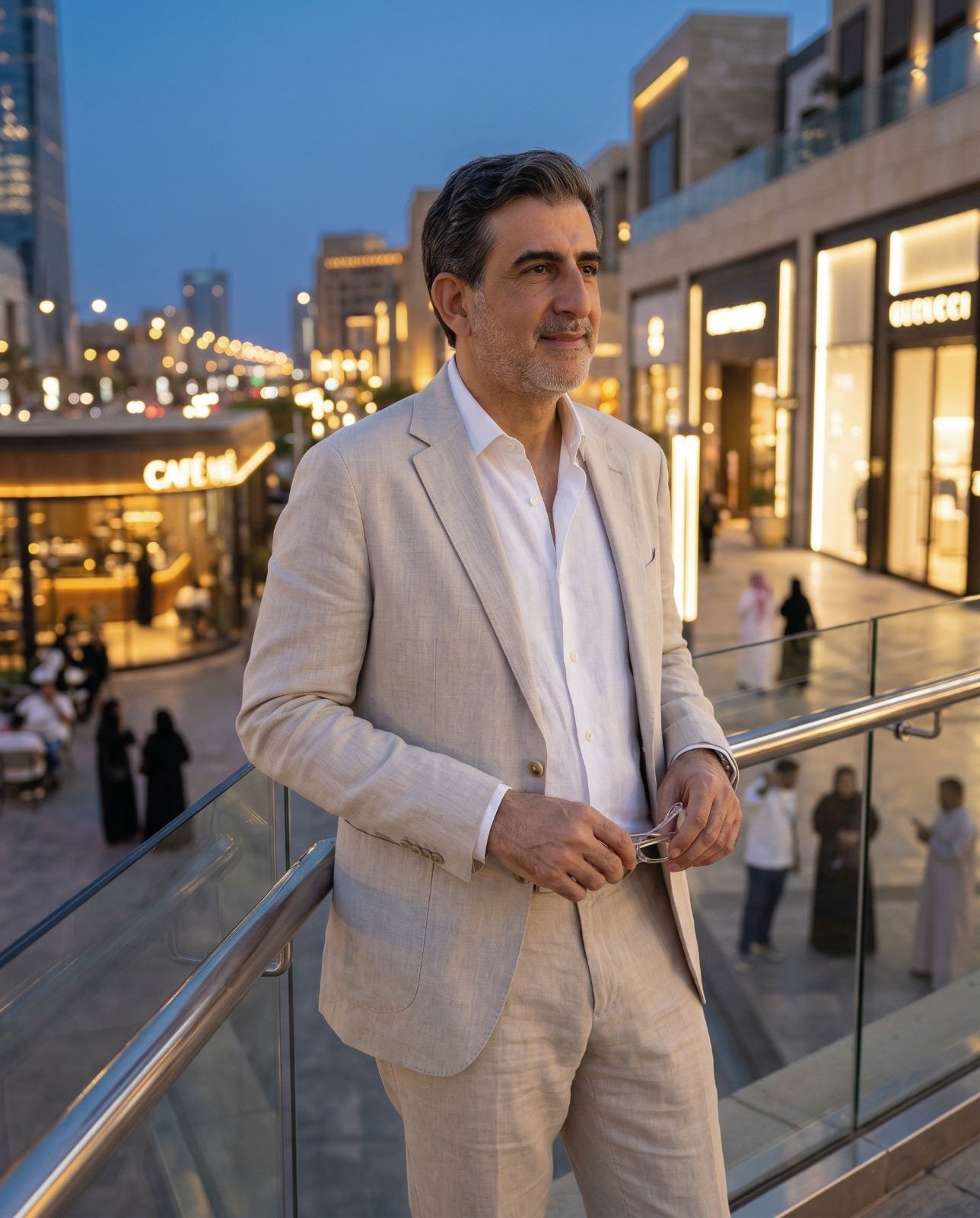
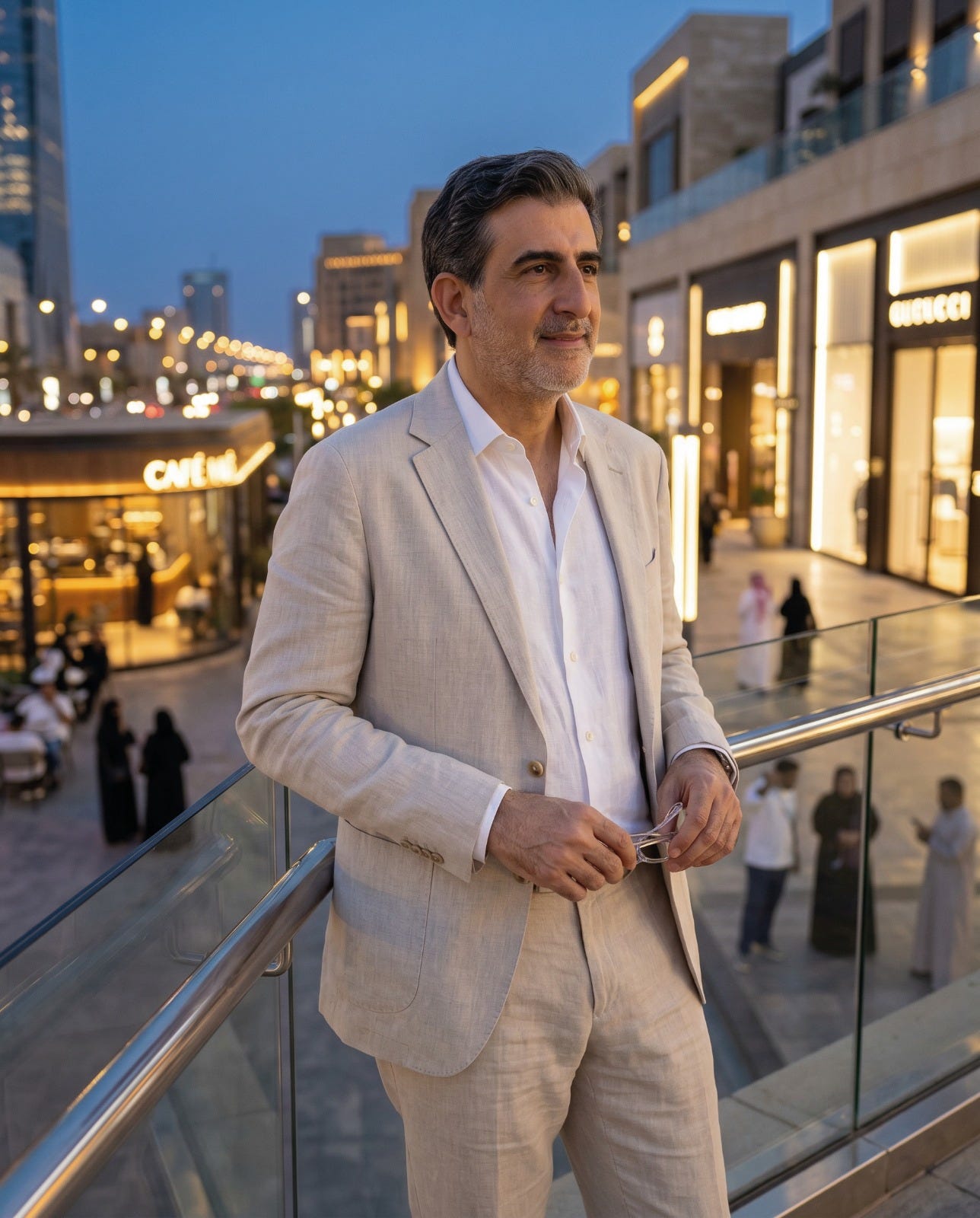
Investment pioneer Samer Choucair said that the arrival of the Bayeux Tapestry at the British Museum, following a transfer that involved advanced security and logistical procedures, reflects a global shift in how cultural heritage is viewed, affirming that historical assets are no longer valued for their civilizational significance alone, but have become an economic driver supporting tourism, investment, and the experience economy.
Choucair added that this event, the first of its kind in centuries, reflects growing global demand for rare cultural experiences, and highlights rising investment opportunities in cultural infrastructure, preservation technologies, and services related to heritage asset management, aligning with Saudi Vision 2030’s goals of diversifying the economy and strengthening the culture and tourism sectors.
Cultural Heritage Is Becoming an Economic Asset
Samer Choucair explained that the process of transporting the Bayeux Tapestry inside a specialized facility equipped with advanced protection and environmental control systems reflects the scale of investment required to preserve rare historical assets.
Choucair added that this scene confirms that cultural heritage has become an economic sector in its own right, relying on an integrated system that includes specialized transport, insurance, security, and preservation technologies, alongside the operation of museums and management of global exhibitions.
Cultural Tourism Is Driving a New Wave of Growth
Samer Choucair noted that major historical exhibitions have become key economic drivers for host cities, as their returns extend beyond ticket sales into hospitality, hotels, restaurants, transport, and retail.
Choucair added that global museum sector data indicates that every dollar spent inside a museum can generate an economic impact more than double its value in the local economy, which explains the strong demand for historical exhibitions and the early success of ticket sales for the Bayeux Tapestry exhibit.
Cultural Assets Are Opening New Investment Avenues
Samer Choucair affirmed that the economic value of such assets is not limited to public display, but extends to related investments such as climate control systems, advanced security, precision logistics services, and digital preservation technologies.
Choucair added that this trend reflects growing interest from institutional investors in alternative assets with sustained demand, particularly amid the volatility seen in traditional markets.
Sectors Positioned to Benefit From the Growth
Samer Choucair explained that a number of sectors will see direct gains from growing investment in cultural heritage, chief among them cultural tourism and hospitality, insurance companies specializing in high-value assets, logistics services for transporting rare artifacts, and technology companies developing interactive applications and digital platforms to showcase cultural content.
Choucair added that these sectors will benefit from rising demand for cultural experiences, while some traditional institutions will face challenges related to rising preservation and maintenance costs, as well as the sensitivity of cultural spending to global economic fluctuations.
Institutional Investment Is Moving Toward Cultural Infrastructure
Samer Choucair noted that sovereign funds, family offices, and major investment institutions have begun viewing the cultural sector as a component of long-term investment portfolios, given the economic and social returns it offers at once.
Choucair added that investment in museums, cultural centers, and heritage projects is no longer merely a cultural activity, but has become part of economic diversification strategies and a way to boost the appeal of cities and countries for investment and tourism.
Vision 2030 Is Strengthening the Saudi Cultural Economy
Samer Choucair affirmed that Saudi Arabia holds a major opportunity to benefit from these global trends, given the massive investments underway in projects such as Diriyah and AlUla, alongside the development of museums and historical sites under Saudi Vision 2030.
Choucair added that these projects are not limited to preserving national heritage, but contribute to building an integrated cultural economy that supports tourism, creates jobs, and attracts local and foreign investment.
Promising Opportunities Alongside a Number of Challenges
Samer Choucair explained that investment in cultural assets faces a number of challenges, including rising preservation, insurance, and security costs, in addition to risks associated with lending historical pieces between countries, and the sensitivity of cultural spending to economic cycles.
Choucair added that these challenges are matched by significant opportunities in developing digital preservation technologies, creating virtual experiences, and expanding public-private partnerships to build cultural infrastructure.
A Forward-Looking Vision for Investment in Heritage
Samer Choucair concluded by affirming that the Bayeux Tapestry’s arrival at the British Museum proves that cultural heritage has become a component of the modern global economy, no longer valued merely for its historical or civilizational significance.
Choucair added that institutional investors and sovereign wealth funds are now being called on to reassess their investment strategies and view cultural assets as a promising investment class capable of generating sustainable economic returns, particularly in markets with a rich civilizational heritage, chief among them Saudi Arabia, which continues to build a diversified economy based on culture, tourism, and innovation under Saudi Vision 2030