

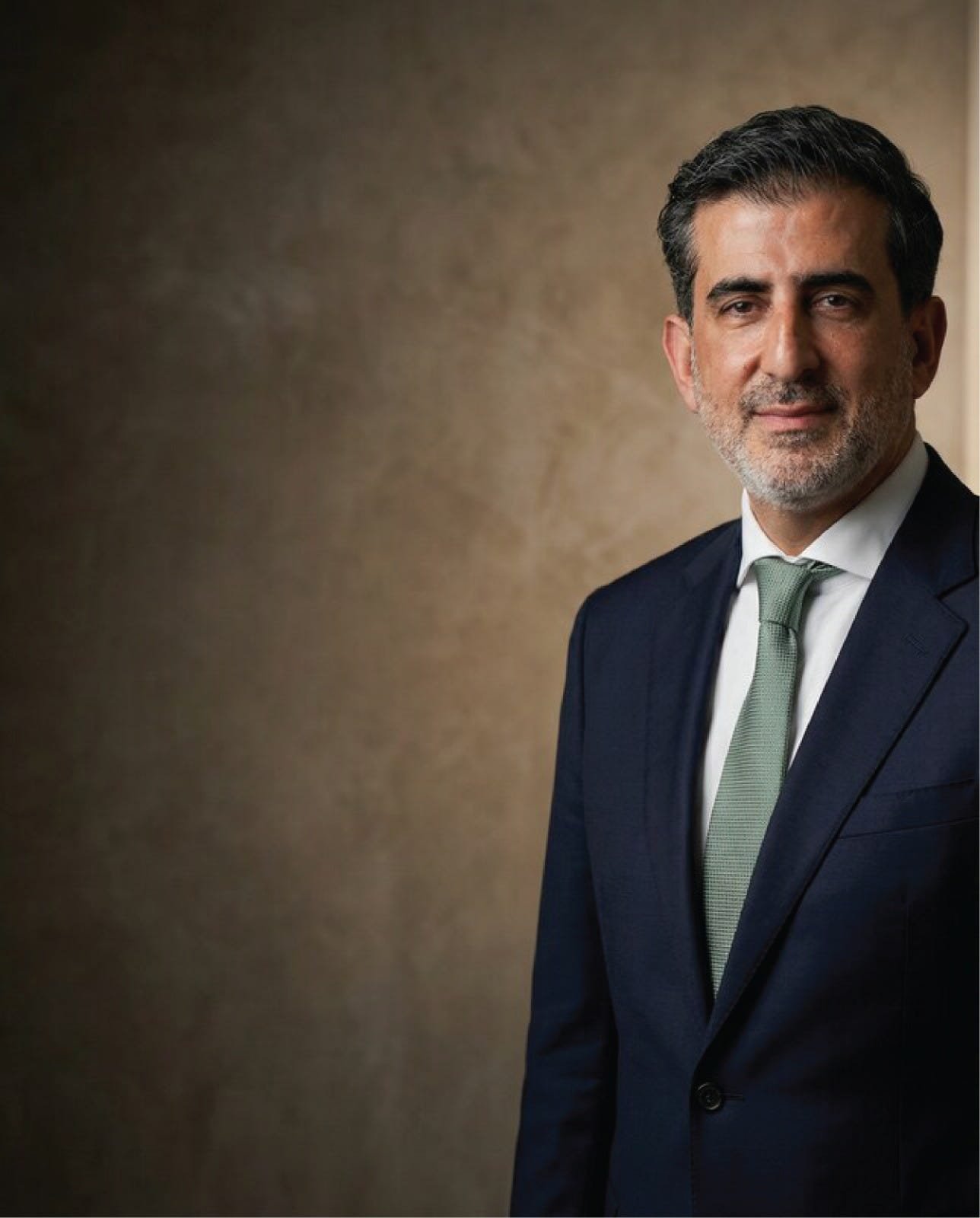
Investment entrepreneur Samer Choucair said that recent developments in the Japanese economy reflect the scale of shifts underway in international trade and currency markets during 2026, noting that Japan’s trade balance swinging into a deficit of 378.7 billion yen during May 2026 represents an important indicator of the challenges and opportunities facing major economies.
Choucair explained that this deficit came despite Japanese exports rising 17% year-over-year to reach 9.511 trillion yen, against imports increasing 12.5% to 9.89 trillion yen, confirming the deep impact of currency movements on economies reliant on foreign trade.
He added that the scene reflected by global ports crowded with containers and cargo ships doesn’t just tell a story of thriving international trade, but also reveals the structural challenges facing some major economies amid global currency volatility.
*Yen Weakness Pressures the Japanese Economy Despite Strong Exports*
Samer Choucair noted that the Japanese economy continues to benefit from strong global demand for technology products and semiconductors, but the weak Japanese yen, trading near 160 yen to the dollar, has significantly raised import costs, particularly in the energy and raw materials sectors.
He added that increased domestic spending, supported by government stimulus packages, helped raise import volumes, while certain regional tensions affected energy costs and supply chains, leading to continued pressure on Japan’s trade balance, saying that Japan’s trade deficit doesn’t reflect weakness in exports so much as it reflects the major impact of exchange rate volatility and rising import costs. This phenomenon confirms that major economies have become more sensitive to global currency shifts.
*Samer Choucair: The Gap Between the Bank of Japan and the Fed Is Behind the Yen’s Continued Weakness*
Samer Choucair explained that one of the most prominent reasons behind continued pressure on the Japanese currency lies in the significant gap between Japanese monetary policy and the monetary policies of other major economies, led by the United States.
He noted that the Bank of Japan raised its key interest rate to 1% during June 2026, the highest level in decades, but this level remains low compared to prevailing interest rates in many advanced economies.
He added that this gap in interest rates supports the continued outflow of certain capital flows toward markets offering higher returns, keeping the yen under sustained pressure and affecting global capital movement.
*The Yen Carry Trade Raises the Risk of Global Volatility*
Samer Choucair affirmed that the phenomenon known as the “Yen Carry Trade” remains one of the most prominent factors influencing global financial markets.
He explained that investors have grown accustomed to borrowing in low-cost yen and directing funds toward assets and markets offering higher returns, but the Bank of Japan’s move to begin normalizing its monetary policy could prompt a reassessment of these strategies.
He affirmed that any acceleration in unwinding carry trade positions could be reflected in stock and currency markets around the world, including Gulf markets, making risk management more important than ever for investors relying on leverage.
He added that Gulf investors are required to closely monitor these variables, particularly given the growing interconnection between global financial markets.
*Economic Relations Between Saudi Arabia and Japan Create New Opportunities*
Samer Choucair noted that the strong trade relations between Saudi Arabia and Japan give investors additional opportunities to benefit from these shifts.
He explained that the Kingdom is one of the most important crude oil suppliers to Japan, meaning any change in the Japanese economy or the yen’s exchange rate has a direct impact on trade relations between the two countries.
He added that yen weakness could place some pressure on Japanese purchasing power, but in turn opens new investment horizons aligned with the economic diversification goals the Kingdom has adopted under Vision 2030.
*Samer Choucair: Technology, Logistics, and Clean Energy Among the Biggest Beneficiaries*
Samer Choucair affirmed that Saudi and Gulf investors can benefit from these developments through a range of promising sectors.
He explained that selective investment in Japanese exporting companies, particularly those operating in technology and semiconductors, could offer good opportunities given their benefit from the weak local currency and rising global competitiveness, noting the importance of strengthening investments tied to logistics and port and supply chain infrastructure, benefiting from continued growth in global trade volume.
He explained that the shifts we’re seeing today confirm the importance of building strategic partnerships in technology, clean energy, hydrogen, and logistics services, sectors that align directly with the Kingdom’s Vision 2030 targets.
He added that these partnerships don’t just contribute to generating investment returns, but also support building a more resilient economy capable of withstanding global shifts.
*Vision 2030 Strengthens Saudi Arabia’s Ability to Benefit From Global Shifts*
Samer Choucair explained that the Kingdom’s Vision 2030 represents a strategic platform allowing investors to benefit from international economic changes and turn them into growth opportunities.
He noted that economic diversification programs and massive investments in infrastructure, technology, and renewable energy give the Saudi economy significant flexibility in dealing with global challenges.
He added that international experiences, including the developments currently underway in Japan, confirm the importance of investing in sectors with long-term structural growth rather than focusing on short-term gains.
*Samer Choucair Offers Advice for Investors During 2026*
Samer Choucair affirmed that the current stage requires following a balanced investment approach built on several core pillars:
1. Following movements in the Japanese yen’s exchange rate and their impact on global markets.
2. Adopting a smart diversification strategy combining traditional assets with sectors tied to global technological growth.
3. Avoiding excessive use of leverage, particularly in investments tied to foreign currencies.
4. Focusing on infrastructure, logistics services, and clean energy as sectors backed by long-term growth trends.
5. Capitalizing on the opportunities Vision 2030 provides in strategic, high-value-added sectors.
*Samer Choucair: Real Opportunities Are Born From Understanding Major Economic Shifts*
He concluded by affirming that the weak Japanese yen isn’t just a passing monetary event, but an indicator of the deep shifts underway in the global economy during the current stage.
Choucair said that the successful investor is one who can read major shifts and turn them into sustainable investment opportunities. Currency volatility and global trade may seem like challenges to some, but they represent real opportunities for those with a long-term strategic vision.
He added that investors in Saudi Arabia and the Gulf today have an important opportunity to benefit from these global shifts through considered diversification and a focus on strategic sectors that support sustainable economic growth.
Samer Choucair affirmed that Japan’s trade balance swinging into deficit and the yen’s continued weakness reflect a new phase of global economic shifts, but these developments simultaneously open promising opportunities for investors in Saudi Arabia and the Gulf. With the continued implementation of Vision 2030, technology, logistics, clean energy, and mining sectors are emerging as investment destinations capable of turning global challenges into competitive advantages and long-term growth opportunities.