

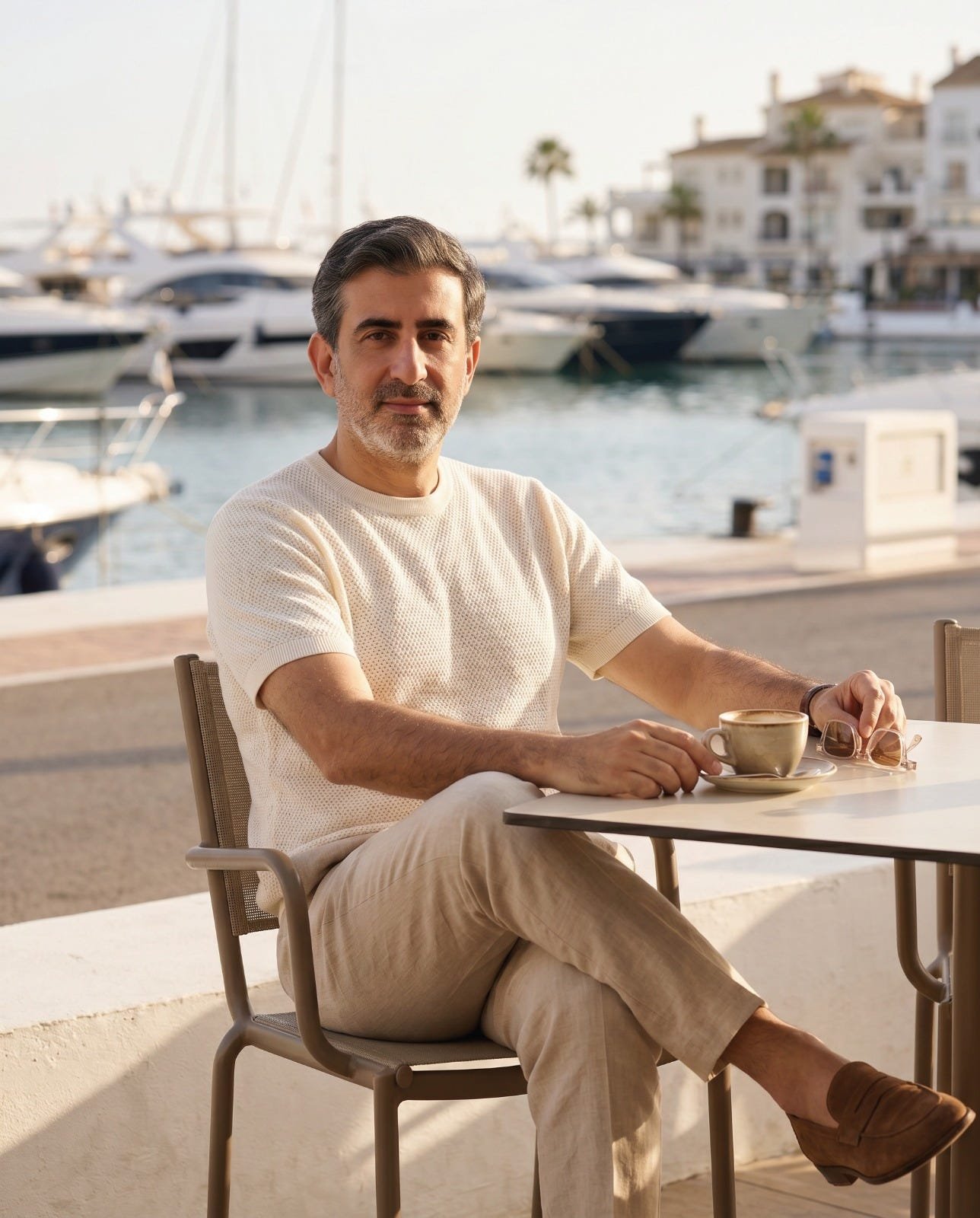
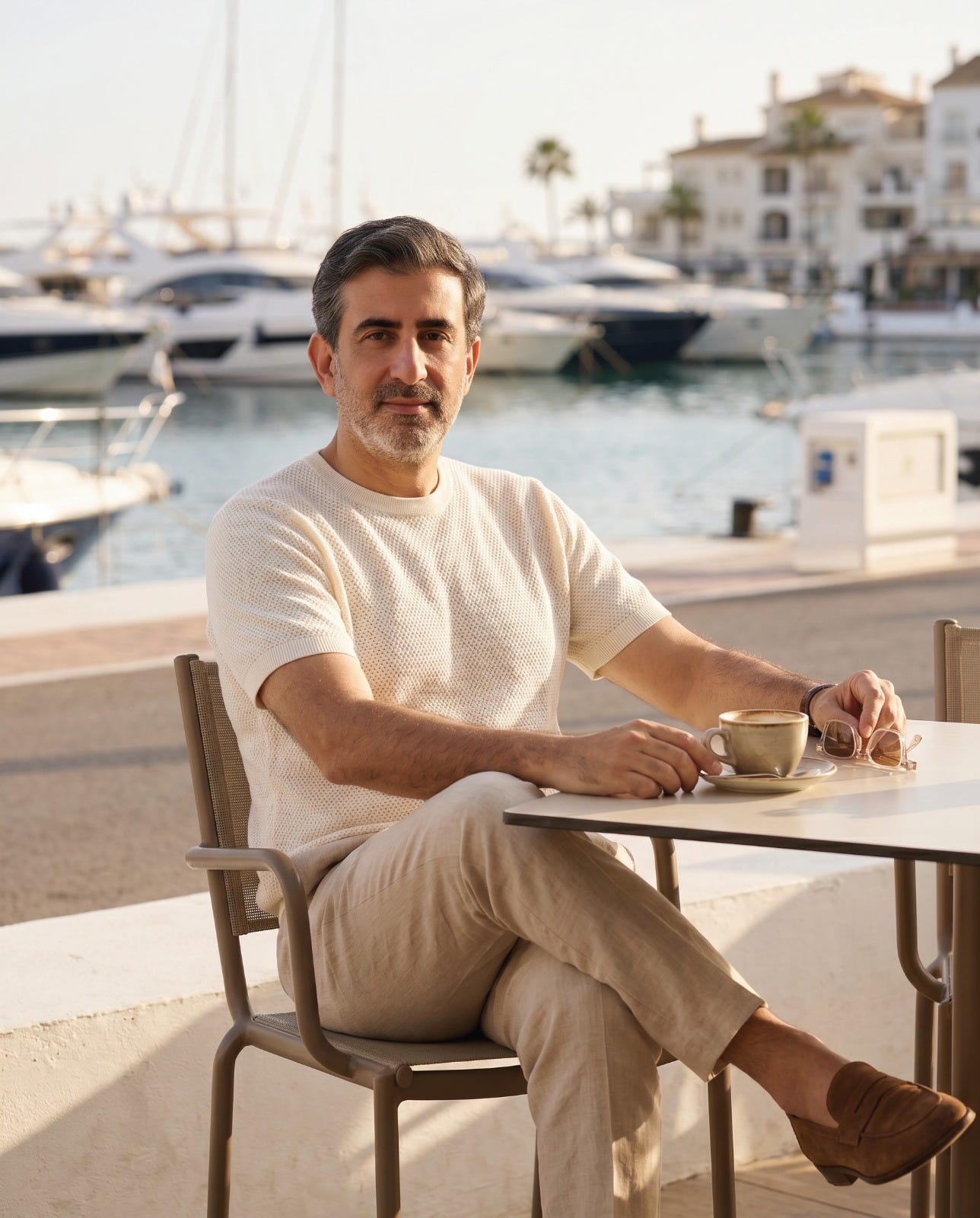
Investment entrepreneur Samer Choucair affirmed that the United States topping the list of the world’s largest sources of outbound foreign direct investment in 2025, with flows reaching $263 billion, reflects the continued strength of major economic centers and their ability to reallocate capital across borders, noting that these flows serve as an important indicator of global investment trends and partnership opportunities between advanced economies and emerging markets.
Samer Choucair explained that UNCTAD data showing total outbound FDI flows from the top ten countries reaching approximately $1.2 trillion in 2025 confirms the continued pivotal role of multinational corporations and major investment funds in shaping global capital movement despite geopolitical challenges and the restructuring of supply chains.
Samer Choucair noted that the United States led the ranking ahead of Japan, which recorded $186 billion, and China, whose outbound investments reached $174 billion, explaining that the continued dominance of these economies reflects the strength of their financial markets and their ability to finance international expansion in strategic sectors such as artificial intelligence, semiconductors, energy transition, and digital infrastructure.
He said that these figures carry direct significance for institutional investors, sovereign wealth funds, and asset managers, as they identify the sources of capital available to finance M&A deals and long-term investments in new sectors, while also helping assess risk and opportunity trends linked to the global expansion of major companies.
Samer Choucair added that the continued leadership of the United States, Japan, and China in outbound investment flows indicates that traditional and emerging power centers remain the primary source of global capital, explaining that recent economic shifts have not eliminated traditional centers of influence, but have reshaped how capital is directed and which sectors are most attractive to investment.
The investment entrepreneur affirmed that the rise of financial hubs such as Luxembourg, which recorded $101 billion, Hong Kong at $95 billion, Singapore at $94 billion, and the Netherlands at $58 billion, reflects the growing role of these markets as structural channels for managing international investments, explaining that investors need to distinguish between genuine investment flows and pass-through flows that use certain jurisdictions for regulatory or structural purposes, since this affects the assessment of the actual economic impact of investments.
Samer Choucair noted that the UAE reaching ninth place globally among the largest sources of outbound FDI, with a value of $63 billion, represents an important shift in the Gulf region’s standing within the global capital system.
Choucair explained that this progress reflects the evolution of the UAE’s economic diversification strategies and the expanding investments of national companies and sovereign funds in energy, logistics, technology, real estate, and international markets, affirming that the Gulf is no longer merely a destination for receiving global investment, but has become an active player in capital allocation at the international level.
Samer Choucair added that this shift requires Gulf sovereign wealth funds to develop their capabilities in managing global portfolios, build strategic partnerships with international investors, and strengthen market-analysis tools to ensure sustainable value from outbound investments.
Choucair explained that current FDI flows are increasingly concentrated in high-value-added sectors, such as advanced technology, healthcare, clean energy, and digital infrastructure, opening opportunities for economies with clear plans for economic transformation.
Samer Choucair noted that Saudi Arabia can benefit from these global dynamics by attracting more investment linked to Vision 2030 projects, particularly in artificial intelligence, advanced manufacturing, tourism, and renewable energy.
Choucair affirmed that strengthening the Kingdom’s appeal to American, Japanese, and European companies requires continued development of the business environment, raising governance standards, and expanding public-private partnerships, ensuring global capital flows convert into productive projects with long-term economic impact.
He said that institutional investors should focus, in the coming period, on the sectors targeted by major investment flows, and should work to build partnerships with leading companies in capital-exporting economies to achieve knowledge transfer and develop local capabilities.
Choucair added that investment decision-makers need to track major companies’ capital expenditure indicators, developments in trade and technology policy, and the performance of markets receiving investment, as key factors influencing capital allocation decisions.
Choucair explained that the next three to five years could see global financial centers continue to serve as key channels for investment flows, with the possibility that a greater share of genuine investment shifts toward emerging markets with political stability, clear regulatory frameworks, and the ability to absorb major projects.
Samer Choucair noted that investment in artificial intelligence, digital infrastructure, and energy transition will remain among the most prominent drivers shaping the direction of global capital over the coming decade, affirming that countries able to provide an environment supportive of innovation and international partnerships will be best positioned to attract these flows.
Samer Choucair concluded his remarks by affirming that understanding the sources and direction of global capital has become an essential element in building long-term investment strategies, noting that success in the coming period will depend on the ability of investors and institutions to balance available opportunities with managing growing geopolitical and regulatory risk.