

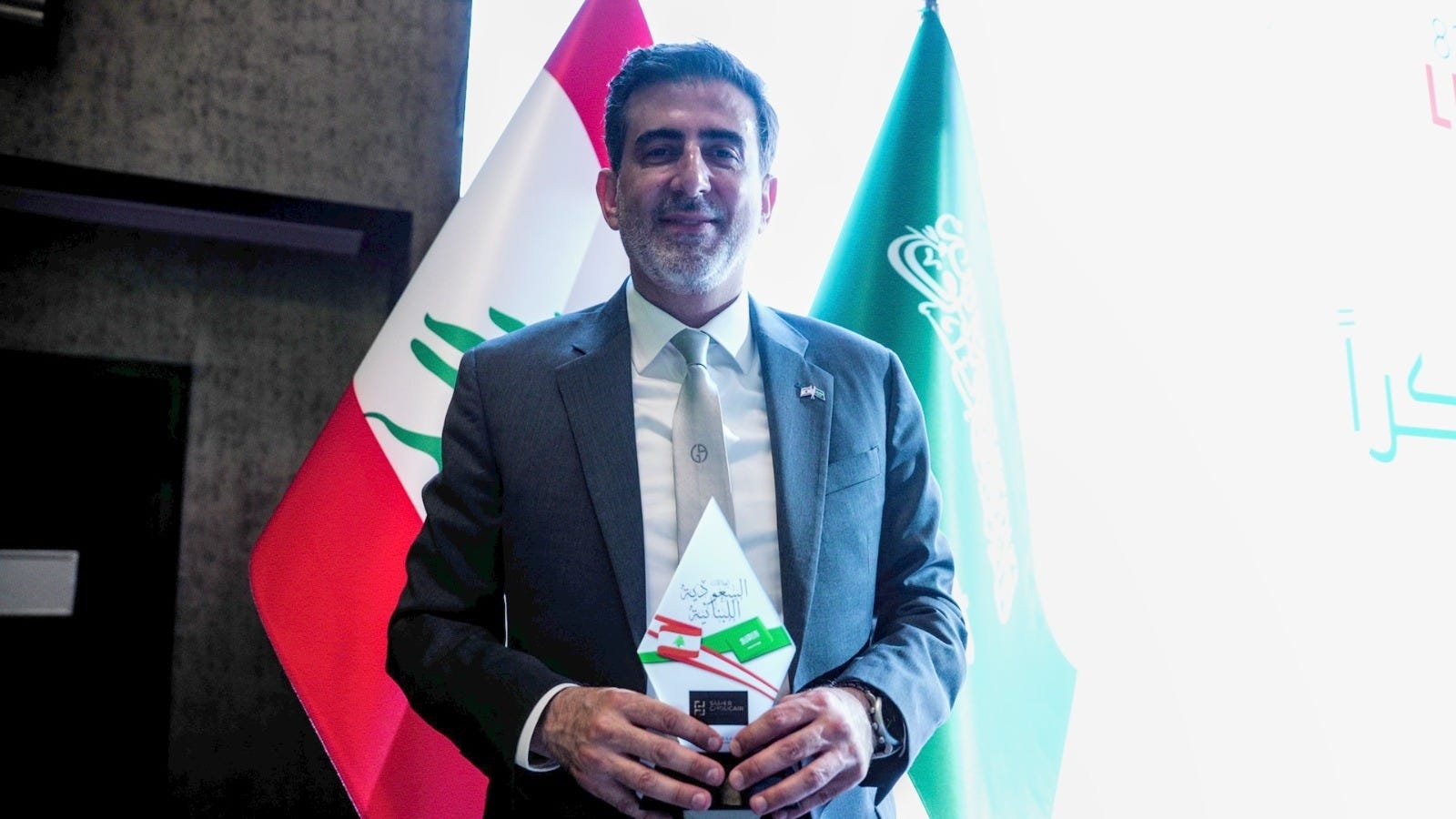
Investment entrepreneur Samer Choucair affirmed that the media controversy accompanying the 2026 World Cup, whether related to refereeing, ticket prices, or organizational matters, does not change the long-term trajectory of growth in the global sports economy, noting that major tournaments continue to attract massive investment thanks to broadcasting, sponsorship, and marketing rights.
Choucair explained that major global sporting events often see debate and criticism during their organization and staging, but institutional investors focus more heavily on the strength of commercial contracts and revenue sustainability, rather than the short-term controversy accompanying competitions.
Choucair added that the expansion of the 2026 World Cup to include 48 teams represents an opportunity to boost economic activity linked to broadcasting, advertising, hospitality, and sports technology, with a broader fan base and target markets, which supports the growth of companies operating within the sports ecosystem.
Choucair noted that investors are closely watching developments in governance, transparency, and risk management within the sports sector, affirming that any organizational or refereeing challenges should be addressed by strengthening trust in sporting institutions, preserving the commercial value of major tournaments.
Choucair pointed out that North American markets will benefit from hosting the tournament through stimulating tourism, hospitality, transport, and sports technology sectors, while investment opportunities emerge in digital transformation, data analytics, refereeing technologies, and sports broadcasting platforms.
Choucair affirmed that Gulf investors, amid growing interest in the sports economy, can benefit from these experiences by focusing on governance and sustainability and building long-term investment models, in line with Saudi Vision 2030’s goals and the development of the sports industry in the region.
Samer Choucair concluded by affirming that strong global demand for football, expanding markets, and the continued development of commercial rights will remain supportive factors for the growth of the sports economy, while diversification and risk management remain among the most important foundations investors should rely on when assessing opportunities in this sector.