

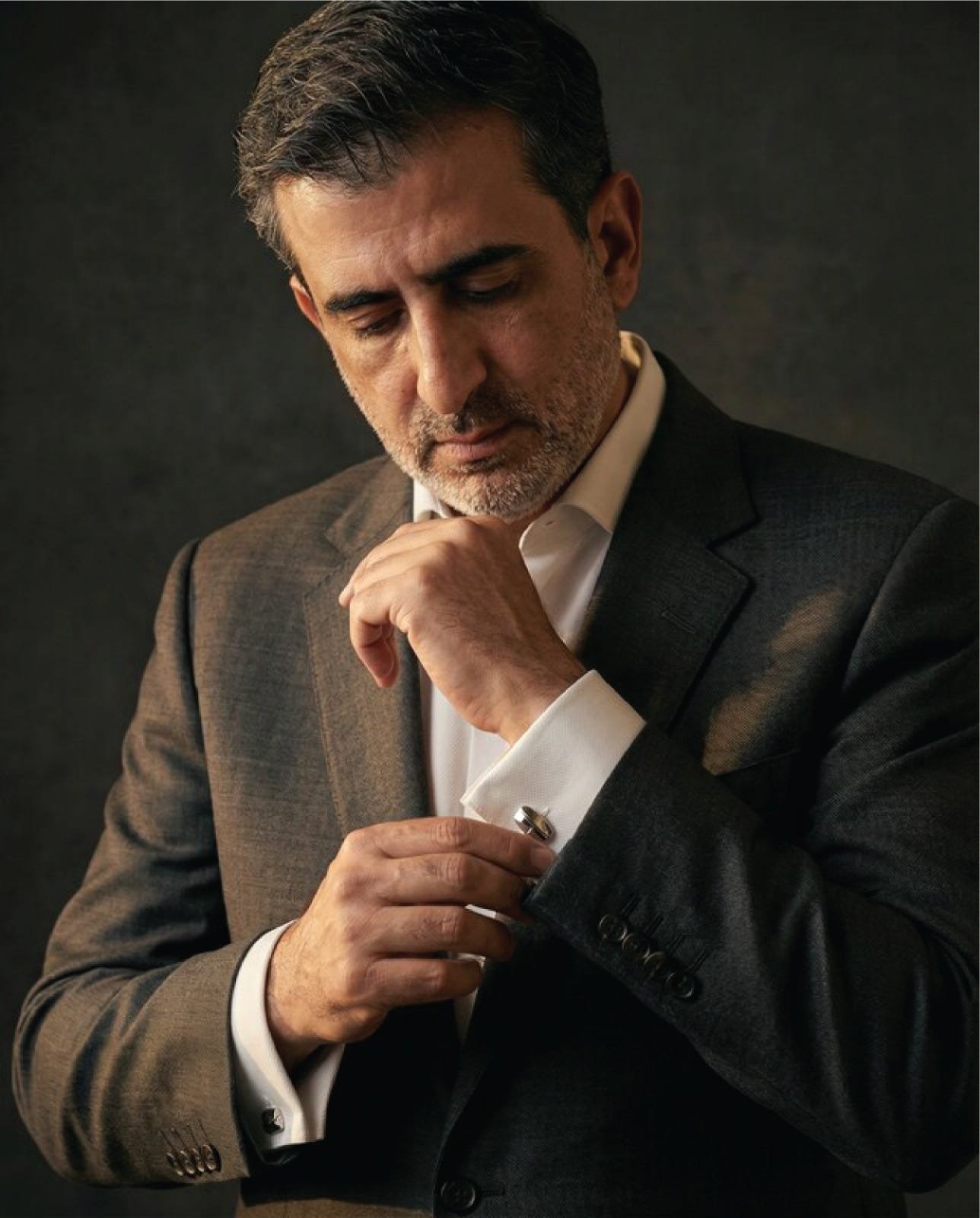
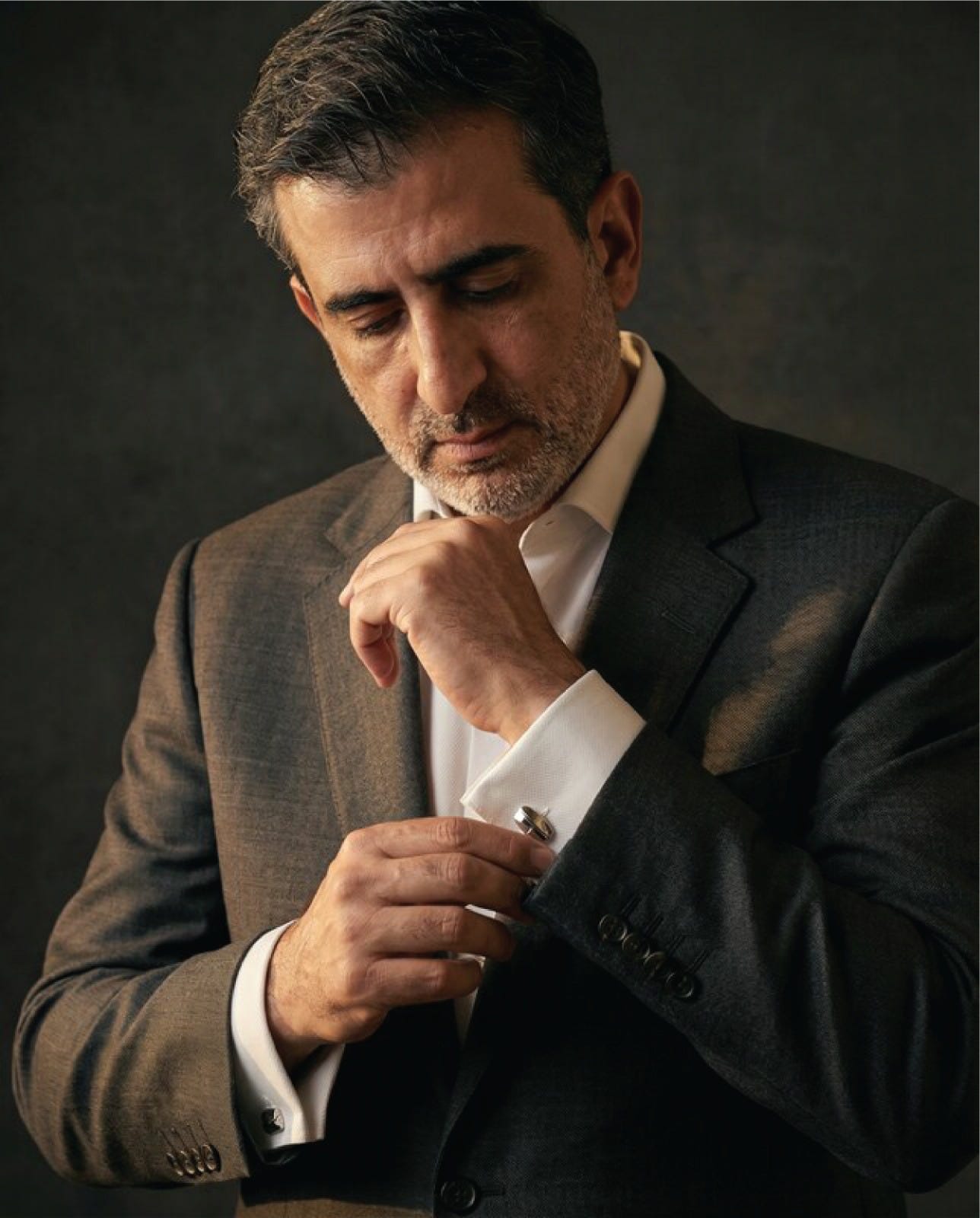
Investment entrepreneur Samer Choucair affirmed that the Real Estate Development Fund’s launch of the “Alternative Financing” program represents a strategic step to strengthen the efficiency of the housing finance system in Saudi Arabia, noting that the program’s impact extends beyond increasing banks’ lending capacity, to supporting institutional capital flows into the real estate sector and strengthening the appeal of assets linked to housing and urban development.
Samer Choucair explained that the program, which aims to provide additional financing dedicated to issuing residential loans, addresses one of the main challenges facing the expansion of real estate finance, namely managing long-term liquidity, giving banks greater capacity to expand their financing portfolios without relying entirely on traditional liquidity sources.
Samer Choucair noted that launching the first phase of the program in partnership with the Saudi National Bank and the National Housing Company, offering select residential units in Riyadh, Jeddah, and Dammam, reflects an integrated approach combining strengthening the banking sector’s financing capacity with ensuring the availability of residential products that meet market needs.
Choucair added that supporting housing finance programs aligns with national targets to raise the homeownership rate to 70% by 2030, explaining that increased liquidity within the financial system is directly reflected in real estate and construction activity, and supports growth in related sectors such as building materials, engineering services, and urban development.
Choucair said that the Alternative Financing program represents a qualitative development in managing the capital cycle within the Saudi real estate sector, as it links government financing, banking capacity, and market needs, creating a more stable environment for growth and long-term investment.
Choucair explained that the program’s investment significance stems from its ability to improve the sustainability of cash flows across the real estate value chain, particularly amid the current global environment marked by shifting interest rates and challenges related to financing costs.
Choucair noted that providing banks with an additional financing mechanism helps ease pressure on bank balance sheets, giving financial institutions greater flexibility to expand real estate financing while maintaining efficient risk management.
Samer Choucair affirmed that the model underlying the program reflects an evolution in how real estate finance is managed, as housing is no longer treated merely as a financing activity, but as part of an integrated economic ecosystem encompassing urban development, stimulating private investment, and supporting non-oil growth.
Choucair explained that the Saudi real estate sector has become one of the key pillars of the economic diversification strategy, and that initiatives strengthening financing capacity raise the market’s appeal to local and international investment funds seeking real assets backed by structural demand.
Choucair added that institutional investors, including sovereign wealth funds, asset managers, and investment banks, will monitor the program’s development as an indicator of the Saudi market’s ability to build more flexible and sustainable financing tools.
Choucair noted that expanding the program to include additional banks in future phases could open new opportunities for investment in real estate debt instruments and real estate investment trusts, with the potential for improved asset quality and cash flows resulting from increased demand backed by more efficient financing mechanisms.
Choucair explained that the program’s impact is not limited to banks alone, but extends to real estate developers by accelerating the sales cycle and improving their ability to plan new projects, supporting activity in the construction sector and related services.
Choucair said that the more efficient the real estate financing system becomes, the greater the economy’s capacity to attract long-term capital, since investors always look for markets that combine genuine demand, institutional support, and regulatory clarity.
Choucair affirmed that government-backed financing programs strengthen international investor confidence in the Saudi economy, serving as evidence of continued structural reforms aimed at building a more diversified and sustainable economy.
Choucair noted that these initiatives could also support foreign direct investment flows into residential and urban development projects, by reducing financing-related risks and demonstrating the country’s commitment to providing a stable investment environment.
Choucair explained that institutional investors will continue, in the coming period, to track a set of key indicators, including the volume of financing issued under the program, the pace of new banks joining, and the impact on the performance of real estate and banking companies listed on the Saudi stock market.
Choucair added that the next twelve months will represent an important phase for assessing the program’s ability to achieve its operational goals and convert liquidity support into actual growth in housing finance and real estate activity.
Choucair noted that over the next three to five years, the program could help build a more mature and flexible real estate financing system, supporting the sector’s expansion and attracting new international partnerships in urban development and sustainable housing.
Samer Choucair concluded his remarks by affirming that continued initiatives strengthening the efficiency of real estate financing will be an important factor in cementing the Kingdom’s position as a stable investment destination in housing and infrastructure, in line with the shift toward an economy relying more heavily on private investment and domestic consumption as key growth drivers.