

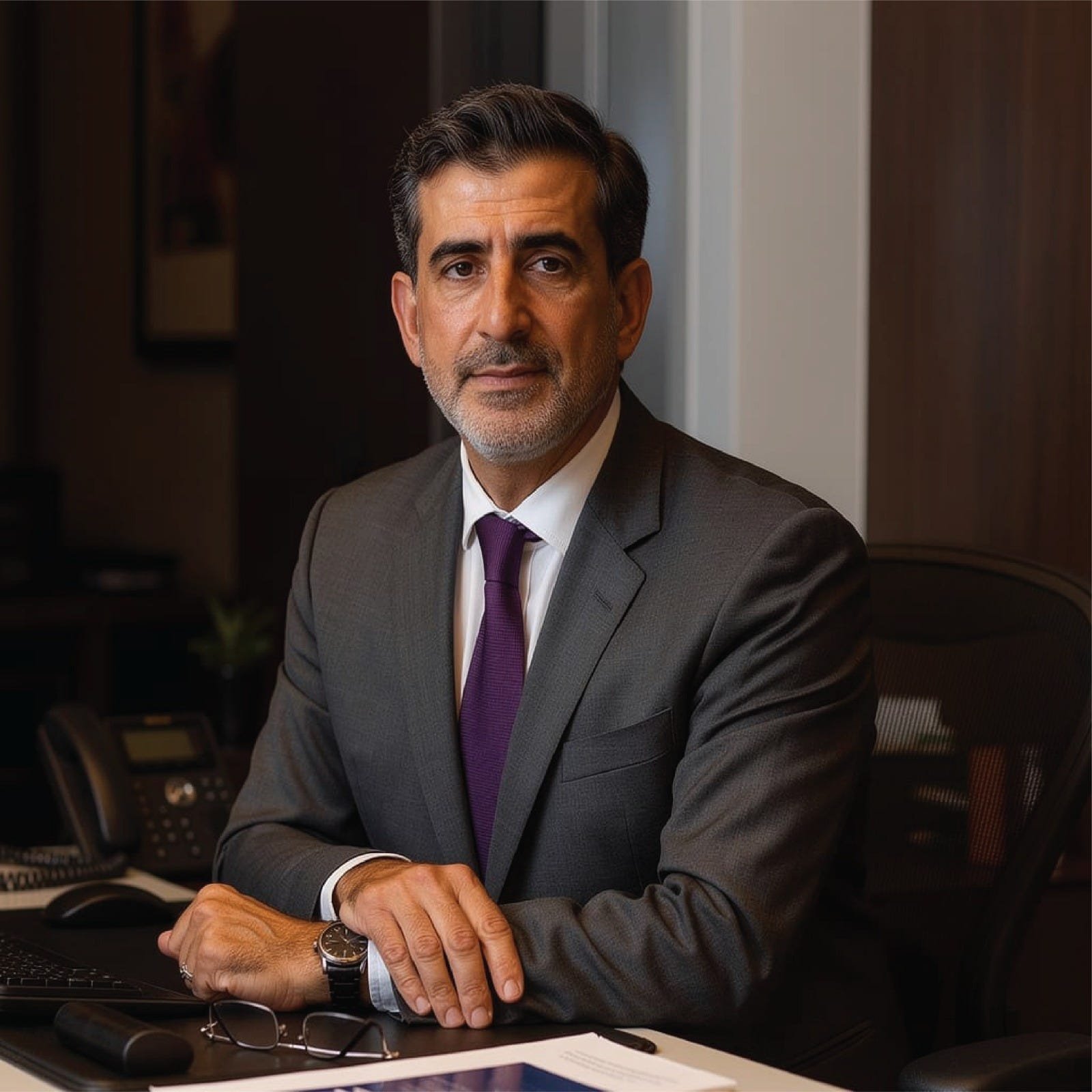
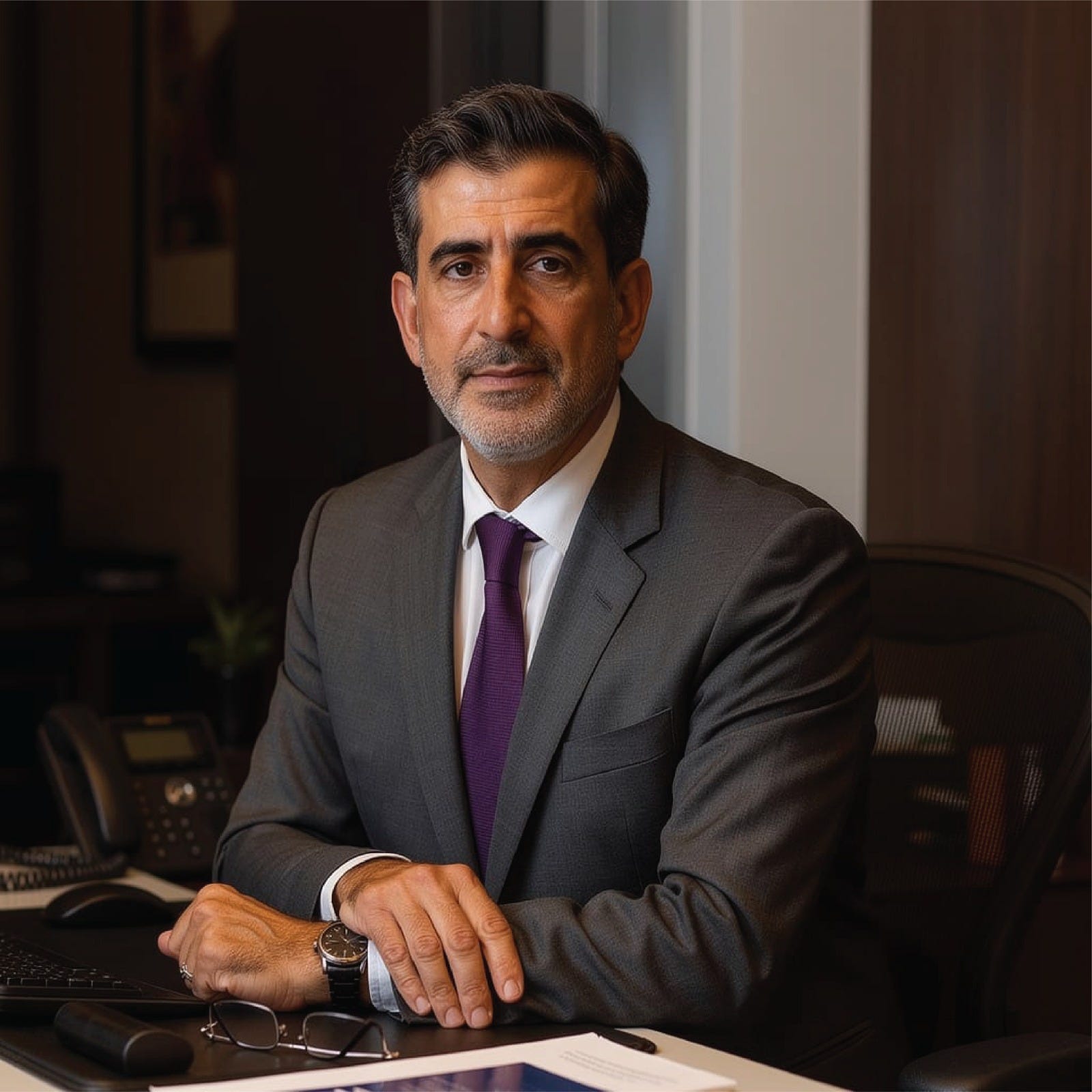
Investment entrepreneur Samer Choucair affirmed that the recent correction in oil prices represents an important turning point in institutional investment direction, noting that Brent crude falling to just above $70 per barrel in early July 2026, after exceeding $120 during the geopolitical tensions in April, reflects the resilience of global energy markets and their ability to absorb shocks faster than many analysts expected.
Samer Choucair explained that this rapid and deep correction affects more than just oil markets, extending to redraw the capital allocation priorities of institutional investors and sovereign wealth funds, amid shifting expectations around inflation, monetary policy, and global economic growth.
Choucair noted that falling oil prices help ease inflationary pressure on global economies and support growth in energy-importing countries, while pushing producing countries to reassess capital spending plans and their levels of dependence on oil revenue.
Choucair added that Gulf states, chief among them Saudi Arabia, hold an important opportunity to benefit from this phase by accelerating economic diversification efforts and strengthening investment in non-oil sectors, preserving their markets’ appeal to long-term capital.
Choucair affirmed that the impact of falling oil prices is not measured by the barrel price level alone, but by the reordering it imposes on inflation expectations, monetary policy, and capital flows across emerging markets, explaining that the speed of the price decline following a geopolitical shock requires portfolio managers to retest their assumptions about the sustainability of geopolitical premiums and the elasticity of global demand.
Choucair added that these developments highlight the need for more flexible capital allocation models capable of adapting to volatile commodity market cycles, rather than relying on traditional assumptions that no longer reflect global market realities.
In assessing economic developments, Samer Choucair explained that falling oil prices have eased energy costs for consumers and industry in Europe and Asia, supporting consumer spending and limiting core inflation risk, while also giving central banks broader room to manage interest rates without significant pressure from supply shocks.
Conversely, Choucair noted that this decline pressures the profit margins of high-cost producers and limits some producing countries’ ability to finance expansion plans without resorting to reserves or debt markets, affirming that markets have once again proven that reaction to geopolitical shocks does not move in one direction, and that increased production from outside the OPEC+ alliance alongside adjustments in global demand can rebalance markets within a short period.
On the Saudi economy, Samer Choucair affirmed that declining oil revenue could pose short-term pressure on public finances, but the Kingdom’s large reserves and Public Investment Fund assets give it strong capacity to continue financing strategic projects and executing Saudi Vision 2030’s goals.
Choucair added that this phase could serve as a catalyst for accelerating economic reforms that strengthen non-oil revenue, particularly in tourism, manufacturing, logistics services, and the digital economy, supporting the sustainability of economic growth over the long term.
He said that moments of sharp commodity price volatility represent opportunities to reassess capital allocation strategies, as sovereign funds can focus on assets that generate sustainable cash flows regardless of short-term price cycles.
Choucair explained that sovereign wealth funds and institutional investors are likely to reconsider their exposure levels to traditional energy, with growing interest in investment opportunities in renewable energy, digital infrastructure, and advanced manufacturing within the region.
Choucair added that lower energy costs could help improve the profitability of energy-intensive sectors, such as petrochemicals and metals, which could open the door to a new wave of M&A activity or investment expansions backed by low-cost financing.
Choucair affirmed that risk management in the current environment requires building multi-layered investment portfolios combining defensive exposure to the energy sector with investment in emerging sectors, chief among them artificial intelligence and digital services, with a focus on companies with strong governance and a high ability to adapt to market volatility.
Choucair noted that companies with low operating costs and strong balance sheets will be the biggest beneficiaries of the current price environment, while high-margin producers face growing pressure on cash flows and capital spending.
Choucair added that the banking, real estate, and tourism sectors in Gulf states could benefit indirectly if lower energy costs translate into increased domestic demand and improved foreign investment flows.
Choucair affirmed that Asian demand for oil will remain a structural factor supporting markets over the medium term, while the global shift toward cleaner energy sources continues to reshape long-term investment decisions, noting that the most attractive investment opportunities lie in projects combining strengthened energy security with achieving sustainable economic growth within the region.
Samer Choucair concluded his remarks by affirming that the period spanning 12 to 36 months could see oil prices move within a range that supports global growth without reigniting inflationary pressure, with continued monitoring of OPEC+ alliance decisions, demand data in China and India, and geopolitical developments affecting markets.
Choucair added that the long-term outlook spanning five to ten years will remain tied to the pace of transformation in the global energy mix and the growth of emerging economies, affirming that success in institutional investment depends on the ability to distinguish between transient volatility and structural shifts, with continued focus on building local capabilities and strengthening governance and innovation to attract long-term capital to the region.
Choucair noted that funds adopting this approach and continuing to invest in strengthening the resilience of Gulf economies will be best positioned to achieve sustainable returns amid the continued uncertainty in global energy markets.