

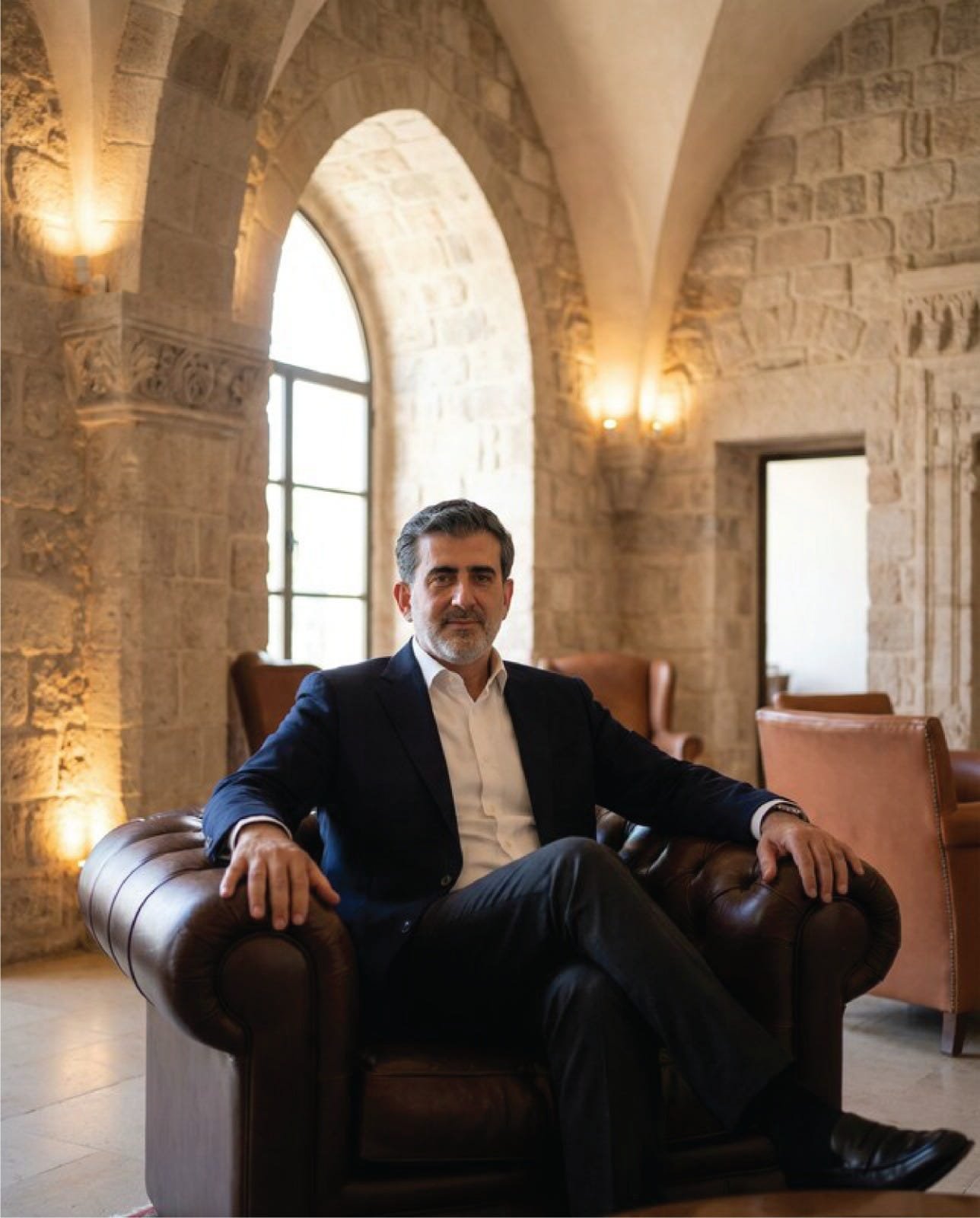
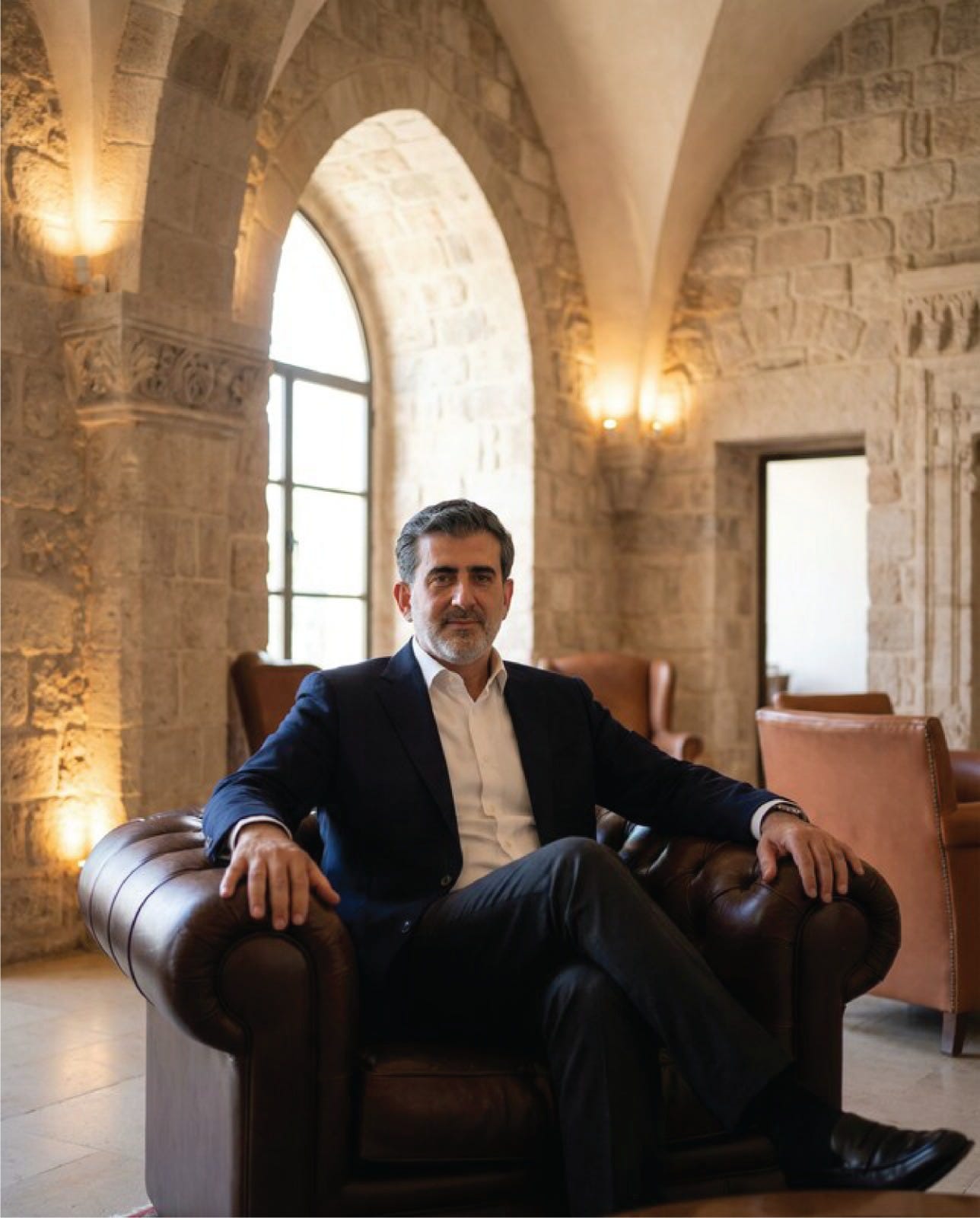
Investment entrepreneur Samer Choucair said that Norway’s standout performance at the football World Cup was not merely a sporting success, but reflected an integrated economic model built on long-term investment in human capital, explaining that this approach has strengthened Norway’s appeal to institutional investors and cemented its ability to achieve sustainable growth.
Choucair added that Norway’s ownership of a sovereign wealth fund valued at more than 20 trillion Norwegian kroner has provided a stable financial environment that has allowed institutional investors to confidently direct their capital toward diverse global assets, affirming that this model carries important lessons for Gulf economies seeking to accelerate economic transformation, particularly amid 2026 investment trends focused on raising productivity and strengthening innovation.
Sporting Success Reflects a Long-Term Economic Strategy
Samer Choucair explained that Norway’s national team success, despite the country’s population not exceeding 5.5 million, came as a result of long-standing policies focused on community inclusion and early talent development, which have directly translated into the competitiveness of the national economy.
Choucair noted that Norway’s Government Pension Fund Global has succeeded in deploying oil revenue flows into diverse global investments, ensuring stable non-oil economic growth and reducing reliance on energy market volatility.
The Strength of the Norwegian Economy Between Oil and Human Capital
Samer Choucair affirmed that Norway has benefited from a unique blend combining natural wealth with sustainable investment in society, noting that the government’s net cash flow from the petroleum sector is estimated at around 686 billion Norwegian kroner during 2026, providing continued support for the sovereign wealth fund and helping limit the impact of oil price volatility on the economy.
Choucair added that non-oil GDP growth projections of 1.8% during 2026 reflect the continued need to raise productivity outside the energy sector, affirming that investment in sport and education has not been a luxury, but represented an essential mechanism for developing a workforce capable of innovation and adapting to rapid technological shifts.
Youth Development Boosts Productivity and Attracts Capital
Samer Choucair explained that the Norwegian model has proven how organized investment in youth, through comprehensive government-supported sports programs, can produce high-quality human capital, helping raise productivity, reduce social inequality, and build a more resilient society capable of supporting the technology and renewable energy sectors.
Choucair added that this stability has directly influenced the decisions of institutional investors seeking defensive assets, as Norway’s sovereign wealth fund has provided broad diversification across global equities, bonds, and real estate, limiting geographic concentration risk and commodity-related volatility.
The Digital Economy and Energy Are Opening New Horizons
Samer Choucair noted that countries that have succeeded in combining investment in human capital with effective management of sovereign wealth, chief among them Norway, are now better positioned to benefit from shifts linked to artificial intelligence and the transition to clean energy.
Choucair added that this direction could support increased foreign direct investment flows toward technology and innovation sectors, while also supporting the performance of Norwegian equities working in renewable energy and infrastructure, alongside its potential positive impact on emerging markets adopting similar policies, in addition to its contribution to limiting long-term inflation risk by raising the efficiency of human production elements.
Important Lessons for Gulf Sovereign Wealth Funds
Samer Choucair affirmed that Gulf sovereign wealth funds, chief among them Saudi Arabia’s Public Investment Fund, are already adopting comparable strategies within Saudi Vision 2030’s goals, noting that focusing on investment in sport, education, and health can strengthen the competitiveness of Gulf economies and attract more private and institutional capital toward economic diversification projects.
Choucair added that risk management is no longer limited to financial tools alone, but has become increasingly dependent on building societal resilience, explaining that human capital represents the best guarantee against external shocks, which could support growing investor interest in Gulf financial markets, including the Tadawul exchange, with a focus on the digital economy, tourism, and manufacturing sectors.
A Strategic Outlook for Investors
Samer Choucair concluded his remarks by affirming that investors should watch, over the next twelve months, how Norway deploys energy revenue to strengthen its global investments, alongside the continued challenges facing non-oil growth.
Choucair added that over the medium term, spanning three to five years, countries’ ability to develop human skills will be the decisive factor in determining the winners of the race for artificial intelligence and sustainability, saying that the Norwegian experience has proven that strategic investment in people generates compounding returns far exceeding those from investment in natural resources alone, recommending that institutional investors increase their allocations toward economies adopting this approach, with a focus on sound governance and long-term diversification as the two core pillars for building sustainable value.