

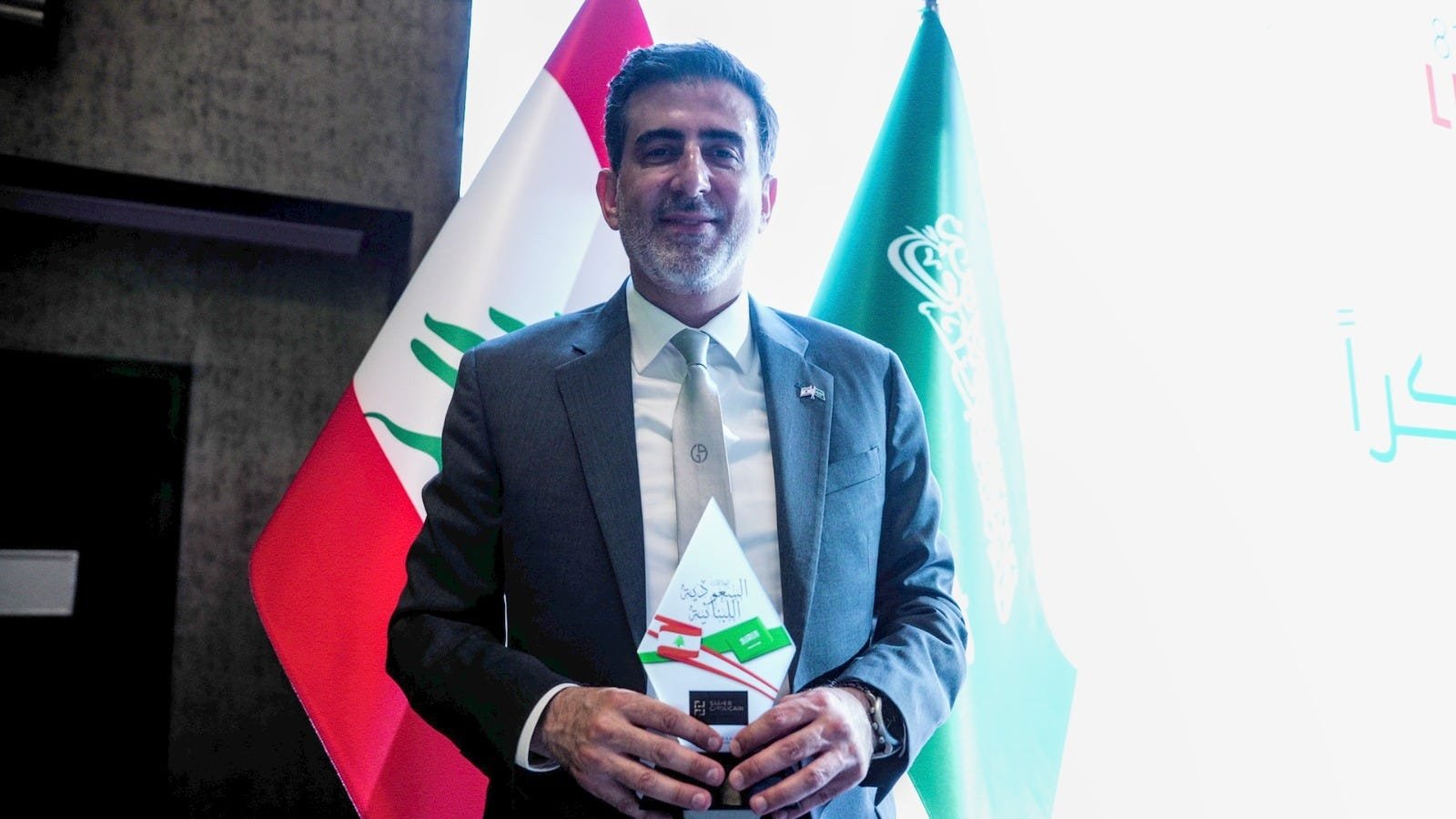
Investment entrepreneur Samer Choucair said that Spain, Argentina, France, and England, the four highest-ranked teams in the world, reaching the 2026 World Cup semifinals for the first time since the international ranking system was adopted in 1992, was not merely a sporting event, but reflected a clear shift in how major tournaments are managed from an economic and investment perspective.
Choucair added that FIFA’s adjustments to the draw system, which placed these teams on separate paths within the knockout rounds and prevented them from facing each other in the early stages, helped strengthen the tournament’s commercial appeal, particularly as Saudi Arabia approaches hosting the 2034 World Cup.
Tournament Design Has Become Part of the Economic Model
Samer Choucair explained that FIFA’s revenue model relies on full control over television broadcasting rights, sponsorship contracts, and luxury hospitality programs, while host countries bear the bulk of infrastructure development costs, noting that the current cycle spanning 2023 to 2026 targets revenue exceeding $13 billion, with a major contribution from the 2026 World Cup.
Choucair added that ensuring the most popular national teams continue through to the final stages raised the advertising value of decisive matches and increased global viewership rates, positively affecting the prospects for renewing sponsorship contracts and raising subscription prices on paid sports streaming platforms.
Choucair affirmed that decisions related to the draw and match schedule are no longer made solely to achieve sporting fairness, but are now also built on assessing their impact on cash flows and long-term returns for all commercial parties linked to the tournament, reflecting an advanced level of maturity in the global sports industry.
Continued Presence of Major Teams Boosted Tournament Revenue
Samer Choucair noted that the major national teams remaining through to the advanced rounds helped extend the period of global audience interest, supporting advertising spending during decisive matches, while also boosting activity on sports betting platforms in regulated markets.
Choucair added that these developments also raised the value of regional broadcasting rights, particularly in Asian and Middle Eastern markets seeing rapid growth in paid sports content consumption, explaining that this model reduced the revenue-decline risk that occurred in some previous editions when major teams and star players exited the tournament early.
Choucair pointed out that financial markets could also benefit from this dynamic, as sports media and fan-experience technology companies are expected to see gains from rising demand, while major sponsor companies could see additional support for their stocks resulting from increased media exposure during the final stages.
Saudi Arabia Draws Lessons From the 2026 Edition Ahead of 2034
Samer Choucair explained that Saudi Arabia continues to execute broad investments in developing modern stadiums, transport networks, and the hospitality sector in preparation for hosting the 2034 World Cup, in line with Saudi Vision 2030’s goals of raising tourism’s and foreign direct investment’s contribution to GDP.
Choucair added that the current experience offered an important signal that strategic tournament design can maximize indirect economic returns by increasing global interest and extending media coverage, positively affecting the host economy.
Choucair affirmed that countries succeeding in integrating sports infrastructure investment with developing local capabilities in event management, sports marketing, and smart technology will be best positioned to convert massive capital spending into sustainable economic returns extending beyond the tournament period, particularly when integrated with economic diversification programs.
Sovereign Funds View Sport as an Alternative Asset Class
Samer Choucair said that sovereign funds and private equity funds now treat the sports sector as one of the alternative asset classes offering exposure to consumer spending on entertainment and live experiences, spending that shows greater resilience compared with traditional economic cycles.
Choucair added that the success of the 2026 World Cup model in maintaining the appeal of the final rounds has strengthened the appeal of investment in sports infrastructure, hospitality projects, and digital content, particularly in emerging markets.
Choucair noted that institutional investors, chief among them Gulf sovereign funds, should no longer evaluate sports investments based on direct financial returns alone, but also according to their ability to support the national brand, attract foreign direct investment, and develop human capital in sports-related services and technology sectors.
A Strategic Outlook for Investors in the Coming Years
Samer Choucair concluded his remarks by affirming that institutional investors will need to track the financial disclosures FIFA issues after the tournament concludes, in order to measure the extent to which targeted revenue was achieved, alongside monitoring the pace of execution of Saudi Arabia’s 2034 World Cup infrastructure projects, smart technology tenders, air conditioning systems, and transport projects.
Choucair added that tracking tourism and spending data in host countries during 2026 will provide an important indicator for measuring the scale of the expected economic multiplier of major tournaments.
The investment entrepreneur concluded by affirming that over the next three to five years, football’s expanding commercial footprint in the Middle East and Asia is likely to continue generating sustainable demand for capital directed toward infrastructure, content, and supporting services, while the successful execution of Saudi Arabia’s hosting of the 2034 World Cup, over a five-to-ten-year horizon, could help cement the Kingdom’s position as a global hub for sporting events, opening the door to new private-sector investment in domestic clubs, sports academies, sports analytics companies, and AI applications tailored to this sector.