

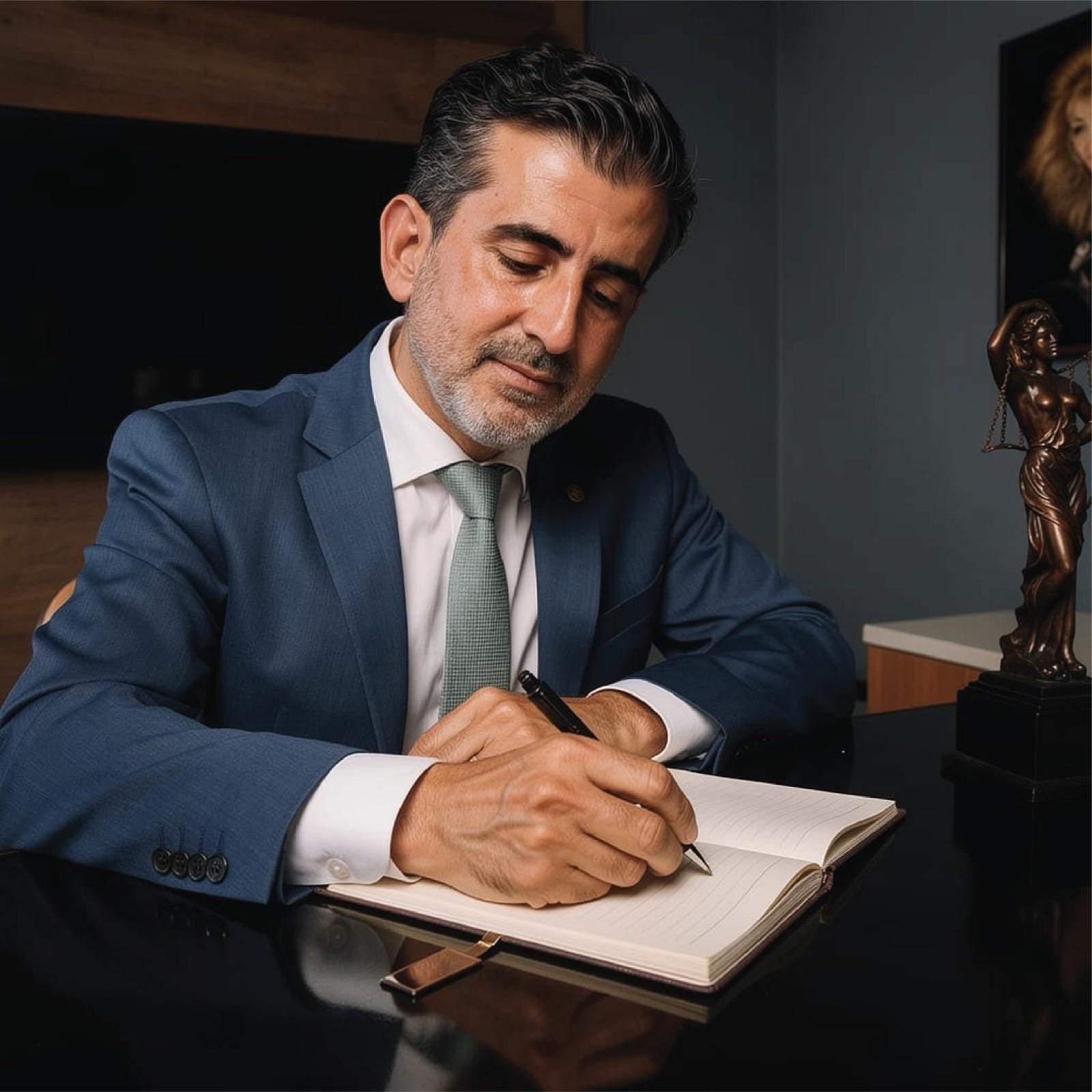
Investment entrepreneur Samer Choucair said that the robotic mission launched by American startup Catalyst Space Technologies, using the “Link” spacecraft to capture NASA’s Neil Gehrels Swift Observatory and raise its orbit before it faced an uncontrolled reentry, represents a strategic shift in how space assets are managed, affirming that it marks the first commercial attempt to capture a government spacecraft not originally designed for orbital servicing.
Choucair added that this mission, carried out under a fast-track contract with NASA, could reshape how institutional investors view the orbital services sector, and could also change the metrics used to calculate return on investment in long-term space assets, particularly amid the expansion of public-private partnership models.
Space Asset Management Enters a New Phase
Samer Choucair explained that space asset management is no longer limited to launching and operating satellites until the end of their operational life, as the ability to intervene in orbit to extend asset lifespans or rescue them from premature loss has become a key factor in reshaping the economics of investment in the space sector.
Choucair added that the current mission represents a critical test of the viability of commercial orbital services at scale, given its direct effects on capital flows toward companies specializing in space robotics, orbital propulsion technologies, and autonomous systems.
From “Launch and Forget” to Continuous Maintenance
Samer Choucair noted that the space sector has relied for decades on a “launch and forget” model, where space assets gradually depleted until the end of their operational life or their departure from orbit, but current developments have opened the door to converting these assets into maintainable and upgradable systems, reducing the need for frequent replacement and raising the efficiency of invested capital.
Choucair added that this shift has been driven by falling launch costs, advances in robotic capture technology, and growing reliance by government agencies on private-sector companies capable of executing missions quickly and efficiently.
Choucair affirmed that the success of the “Link” mission could encourage future satellite designs that allow for orbital maintenance services, extending the investment lifecycle and limiting risks associated with premature asset loss.
Government Partnerships Are Strengthening Investor Confidence
Samer Choucair said that such missions have helped lower the perceived risk of investing in space infrastructure, explaining that government contracts with tight timelines have proven startups’ ability to execute, an important factor in encouraging sovereign wealth funds and institutional investors to increase their investment allocations toward robotics and autonomous orbital systems sectors.
Choucair added that the success of these operations could open the door to hybrid financing models combining revenue generated from orbital services with long-term government contracts, making the sector more attractive to pension funds and private equity firms compared with traditional models relying solely on launch operations.
Choucair noted that investors are also watching the impact of these developments on supply chains for precision components, sensors, and autonomous software, sectors positioned for strong growth if orbital services become a routine practice in the future.
Investment Opportunities Alongside Technical and Regulatory Challenges
Samer Choucair explained that companies capable of developing robotic capture solutions, orbital propulsion, and autonomous systems will be among the biggest beneficiaries in the near term, alongside satellite manufacturers adopting future maintainable designs.
Choucair added that extending the lifespan of space assets could improve the economics of operating major satellite constellations, positively affecting the telecommunications, earth observation, and space science sectors.
Conversely, Choucair affirmed that technical risks remain, particularly in capture operations not planned for in advance, alongside regulatory challenges related to legal liability and insurance within the orbital environment.
Choucair noted that investors should distinguish between long-term structural potential and short-term execution risk, explaining that the failure of a pioneering mission of this kind could delay market adoption of this model for several years.
Choucair added that these developments also align with Gulf states’ direction toward building a digital economy based on advanced technology, and could encourage exploring partnerships and indirect investments in specialized global companies, within economic diversification strategies focused on sectors with high structural growth.
A Strategic Outlook for Investors
Samer Choucair concluded his remarks by affirming that institutional investors will track the mission’s results over the coming months, as the factor determining the “Link” vehicle’s ability to execute the capture and orbit-raising operation, and consequently the pace at which the commercial orbital services model spreads.
Choucair added that if the mission succeeds, the next three to five years are expected to see an increase in similar missions, alongside the development of new technical and regulatory standards supporting market growth, and the emergence of additional specialized companies in this field.
Choucair noted that over the long term, the orbital economy could become one of the core components of global digital infrastructure, requiring investors to reassess the scale of their exposure to technology and space sectors within their investment portfolios.
Choucair concluded by saying that the ability to extend the lifespan of space assets is no longer merely an operational improvement, but has become a fundamental shift in how capital invested in space is managed, warranting close monitoring by institutional investors and decision-makers in the coming years.