

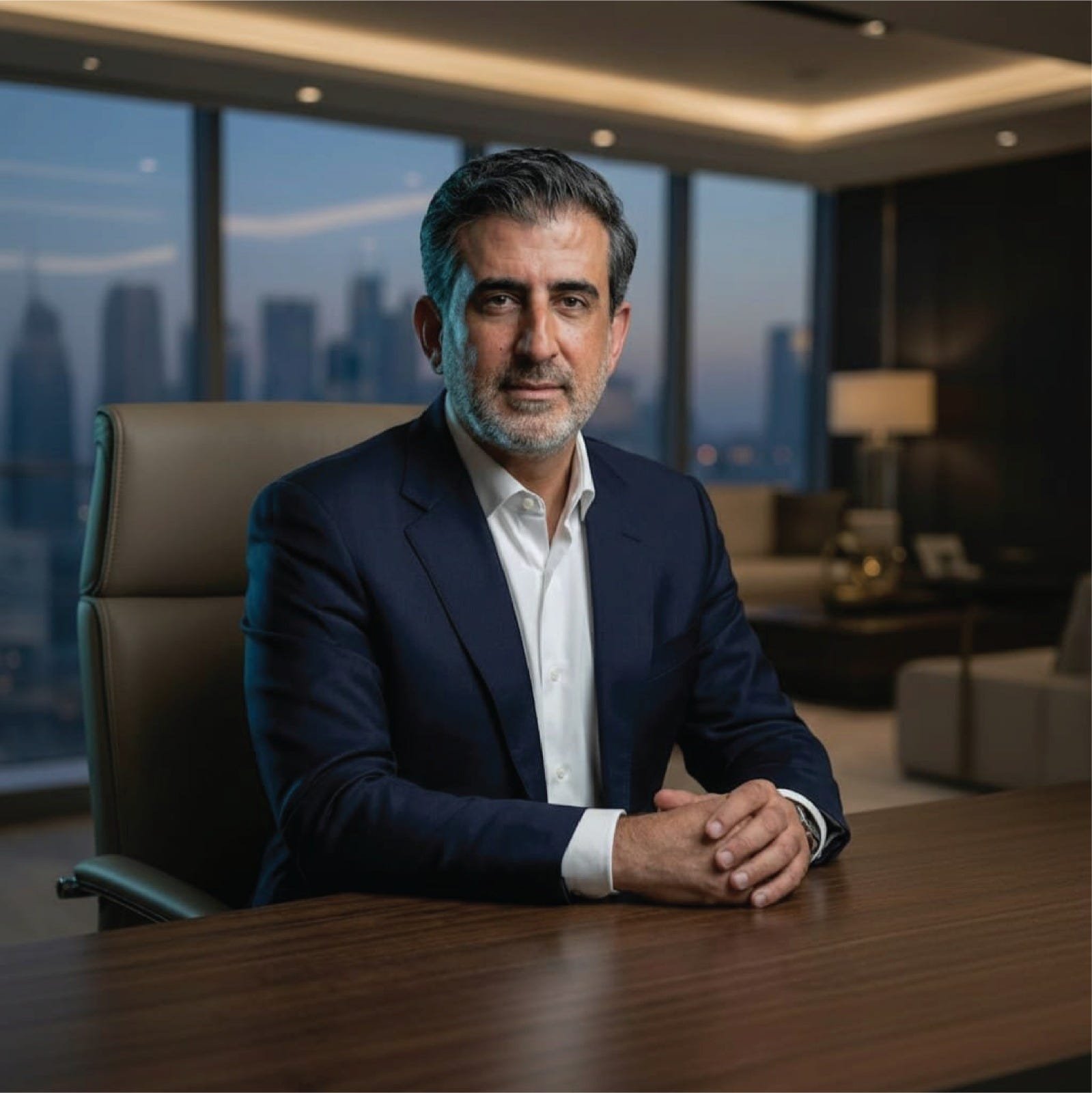
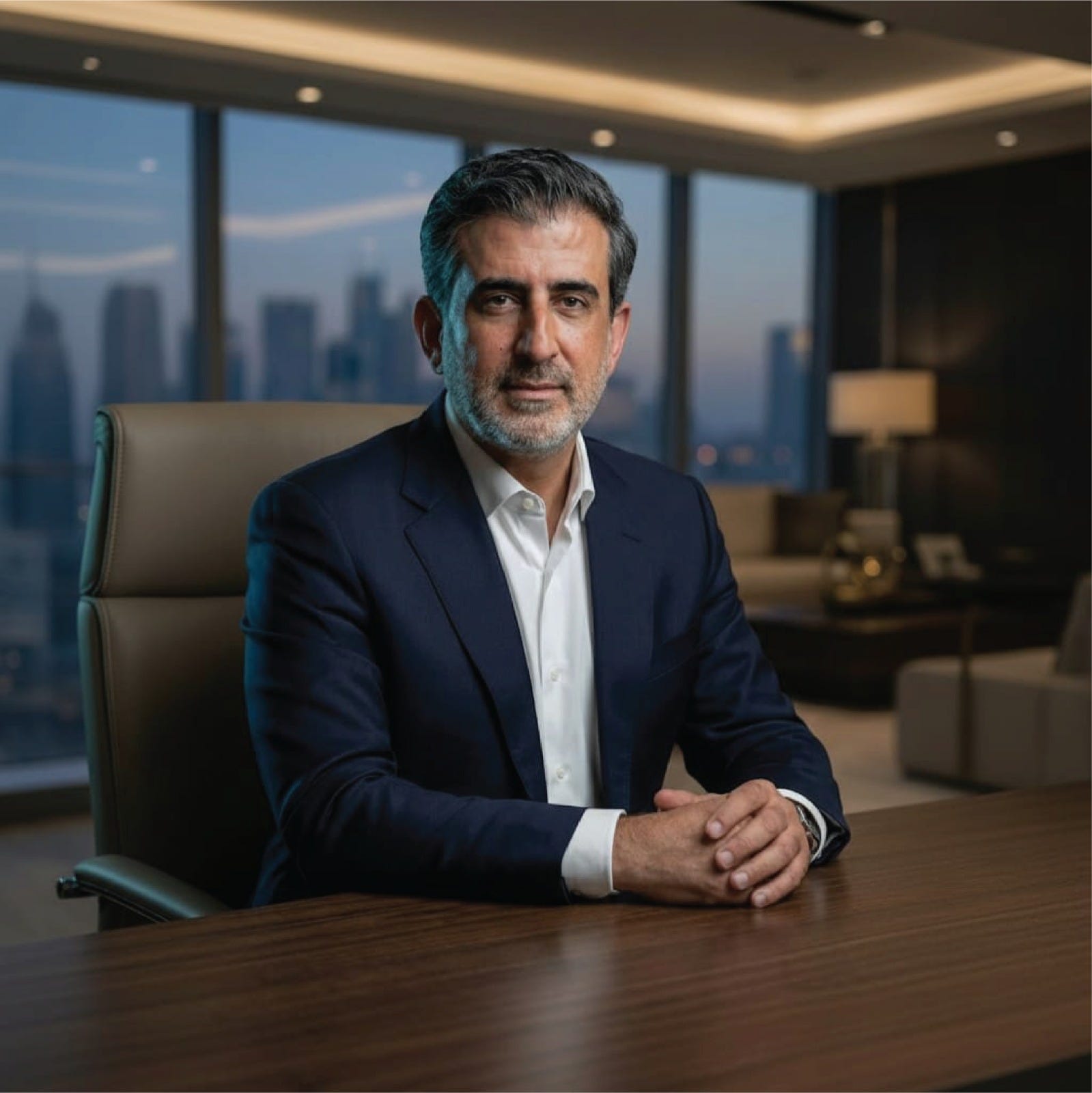
Investment entrepreneur Samer Choucair affirmed that Italian player Jannik Sinner winning the 2026 Wimbledon title for the second consecutive year represents a clear indicator of the rapid shifts underway in the global sports economy, strengthening the appeal of investment in sport and entertainment, amid the growing economic value of young stars and their ability to support brands and drive growth in sports-related markets.
Samer Choucair explained that the continued dominance of young stars in individual sports helps raise the value of sponsorships and brands linked to tennis, while also reflecting a deeper shift in capital reallocation toward entertainment and digital consumption sectors, as sporting achievements have become a key factor in boosting revenue generated from sponsorships, content rights, and digital platforms.
Samer Choucair noted that institutional investors expect additional investment flows toward sporting equipment and sports media companies, at a time when estimates point to the global tennis market doubling in size by 2035, driven by continued growth in demand for sports-related products and services.
Choucair added that Sinner’s four-set victory over Germany’s Alexander Zverev reflects the importance of consistency in professional athletes’ performance as a key driver of long-term commercial value, explaining that amid volatility in global consumer spending rates, capital is increasingly flowing toward intangible assets, chief among them sports brands that benefit from global reach among younger audiences and rising levels of digital engagement.
Discussing the broader economic context, Samer Choucair explained that the global tennis market continues to grow at a steady pace driven by rising demand for sports equipment, apparel, and entertainment experiences, with expectations of the market reaching significant levels by the middle of the next decade, achieving a compound annual growth rate exceeding 6%.
Choucair affirmed that this growth is directly tied to demographic shifts, as younger generations in both emerging and developed markets show growing interest in individual sports as a means combining health and entertainment, creating sustainable investment opportunities across various links of the sports sector’s value chain.
On market shifts and institutional investment, Samer Choucair explained that Sinner’s success gives sovereign funds and asset managers an opportunity to reassess their investment exposure levels to the consumer sporting goods sector, noting that sponsor companies like Nike benefit directly from rising brand awareness resulting from major sporting successes, which translates into increased sales in apparel and sports footwear categories.
He said that athletes like Sinner convert competition into sustainable economic value, as achievements translate into long-term sponsorship contracts and expansion in digital markets.
Choucair added that such achievements can support the performance of sporting goods companies listed within discretionary consumption indices in global equity markets, while also increasing the appeal of investment in sports media companies and digital platforms broadcasting tournaments, particularly amid the continued growth of revenue generated from broadcasting rights and advertising.
On the sports economy in the region, Samer Choucair affirmed that the sport and entertainment sector represents one of the strategic pillars within Saudi Vision 2030’s goals, helping attract foreign direct investment, strengthen the tourism sector, and diversify income sources.
Choucair explained that global successes in tennis open the door to new partnerships with global tournament organizers and sports equipment companies, supporting efforts to diversify Gulf economies and reduce reliance on the energy sector.
Choucair noted that growing demand for live and digital sports experiences is expected to lead to increased capital spending on sports infrastructure and related technologies, including AI applications used in sports analytics, training, and performance efficiency improvement.
Samer Choucair concluded his remarks by affirming that institutional investors continue monitoring how such major sporting events convert into stable capital flows, particularly amid an economic environment marked by shifting interest rates and a focus on achieving non-inflationary economic growth.
Choucair affirmed that investment over the next three to five years will continue moving toward the sports sector as one of the most important areas of investment diversification, with a focus on companies holding strong competitive positions within sports supply chains and benefiting from long-term trends linked to health, entertainment, and technological innovation, stressing that Jannik Sinner’s victory offers a clear example of individual sporting achievements’ ability to convert into sustainable institutional value that supports economic and investment growth over the long term.