

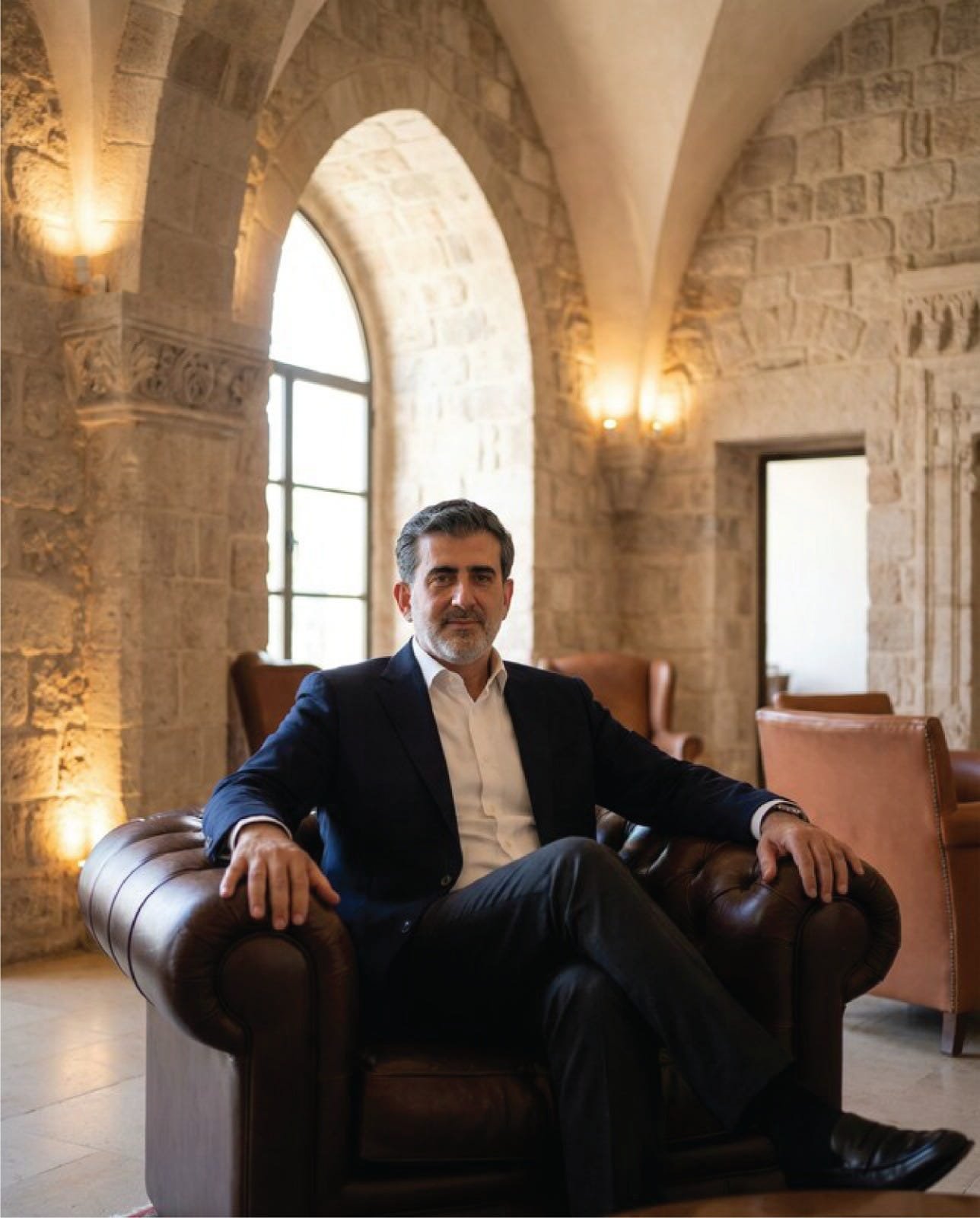
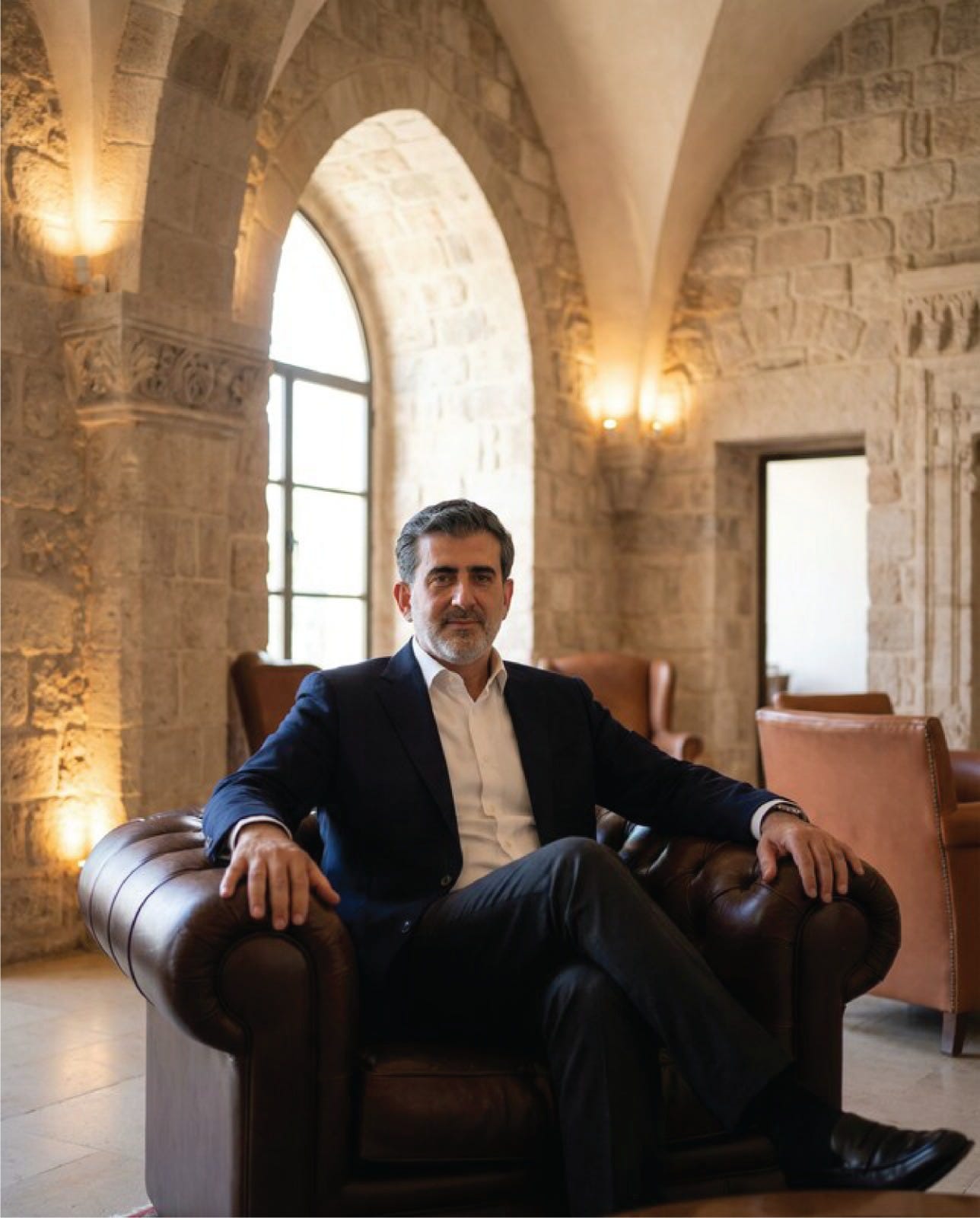
Investment entrepreneur Samer Choucair affirmed that the high market values of the national teams reaching the semifinals of the 2026 World Cup reflect the major transformation the global football industry has undergone, as sport shifts from a traditional entertainment sector into a fully-fledged investment field attracting the interest of sovereign wealth funds and institutional investors worldwide.
Samer Choucair explained that data updated as of July 12, 2026 shows France leading in market value at €1.52 billion, followed by England at €1.36 billion, then Spain at €1.22 billion, while Argentina’s value stood at €807.5 million according to Transfermarkt data, noting that these figures clearly reveal the concentration of high-value talent within Europe’s major leagues.
Samer Choucair noted that the gap in market values among the four teams is not tied solely to on-field player quality, but reflects differences in the economic models supporting football in each region, as major European clubs rely on massive revenue from broadcasting rights, commercial sponsorships, and global marketing, giving them greater capacity to retain talent and boost its market value.
Choucair added that national team success at major tournaments like the World Cup becomes an economic factor affecting the valuations of players and the clubs holding their rights, as increased media exposure raises demand for standout talent and boosts the value of future transfer deals.
He said that the high market values of teams like France, England, and Spain reflect the strength of the European economic model in football, requiring investors to study opportunities for cooperation or competition with these markets through long-term strategies that generate added value.
Choucair explained that four high-value national teams reaching the tournament’s final stages strengthens football’s position as an alternative asset class, as investing in clubs, players, and sports infrastructure has become part of the diversification strategies of a growing number of investors.
Choucair noted that clubs holding player rights now possess human assets with growing financial value, opening opportunities to generate revenue through transfers and loans, alongside strengthening brand value and increasing commercial returns linked to fans and sponsors.
Samer Choucair affirmed that institutional investors now view the sports sector through a broader lens that goes beyond sporting results, encompassing sports assets’ ability to generate sustainable cash flows, whether through club ownership or investment in broadcasting, marketing, and sports technology companies.
Choucair explained that the global football industry is entering a new phase of financial professionalization, as player market value has become a key indicator in club valuation and investment decision-making, noting that major tournaments act as a catalyst raising players’ global exposure and increasing demand for them.
Samer Choucair added that the gap between European market values and Argentina’s reflects differing market natures, as European clubs enjoy substantial financial capacity allowing them to retain talent, while many South American clubs have historically relied on developing players and exporting them early to achieve financial balance.
Choucair noted that rising market values following major tournaments typically lead to increased transfer market activity, as clubs seek to sign players who have proven their ability to compete at the highest levels, boosting the revenue and market valuations of selling clubs.
Choucair explained that this development could create challenges for clubs with limited resources that struggle to retain their talent or compete for major deals, amid the rising cost of standout players.
Choucair affirmed that sovereign wealth funds and private equity firms continue to increase their interest in the sports sector, driven by investment opportunities linked to club ownership, developing sports facilities, and investing in technologies related to performance analysis and the fan experience.
Choucair noted that the experience of Saudi Arabia’s Public Investment Fund represents a prominent model of sovereign funds’ move toward using sport as part of economic diversification strategies and strengthening global presence, in line with Vision 2030’s goals.
He said that managing risk in sports investments requires looking beyond current market value, focusing on the financial sustainability of clubs, their ability to generate recurring revenue, alongside tracking regulatory developments related to salary caps and transfers.
Samer Choucair explained that emerging markets still offer significant investment opportunities in talent development and sports infrastructure, particularly amid the continued growth of global interest in football and the rising value of the sports economy.
Choucair noted that Gulf states have an opportunity to strengthen their sporting standing through investment in domestic leagues, attracting global talent, and building partnerships with European clubs for knowledge transfer and developing organizational and technical capabilities.
Choucair added that sports investment can serve as a catalyst for other economic sectors such as tourism, entertainment, media, and digital technologies, explaining that global tournaments create value that extends beyond sporting competition itself.
He said that success in attracting investment to the sports sector in the region depends on building a stable and transparent regulatory environment, alongside investing in developing local talent to ensure sustainable growth and achieve long-term economic value.
Choucair affirmed that institutional investors will continue monitoring the results of the 2026 World Cup semifinal and final matches as potential indicators of future movements in transfer prices and club valuations, particularly those linked to players delivering exceptional performances during the tournament.
Choucair explained that some clubs may see their market value rise in the short term as a result of their players’ standout performances, while long-term investment success will depend on the sports sector’s ability to manage challenges such as player price inflation, competition for talent, and regulatory changes.
Samer Choucair concluded his remarks by affirming that investing in sport represents a strategic opportunity but requires careful risk management and an understanding of the economic, geopolitical, and regulatory factors affecting capital movement, noting that building sustainable investment models will be the key factor in achieving long-term returns and contributing to economic development linked to the sports sector.