

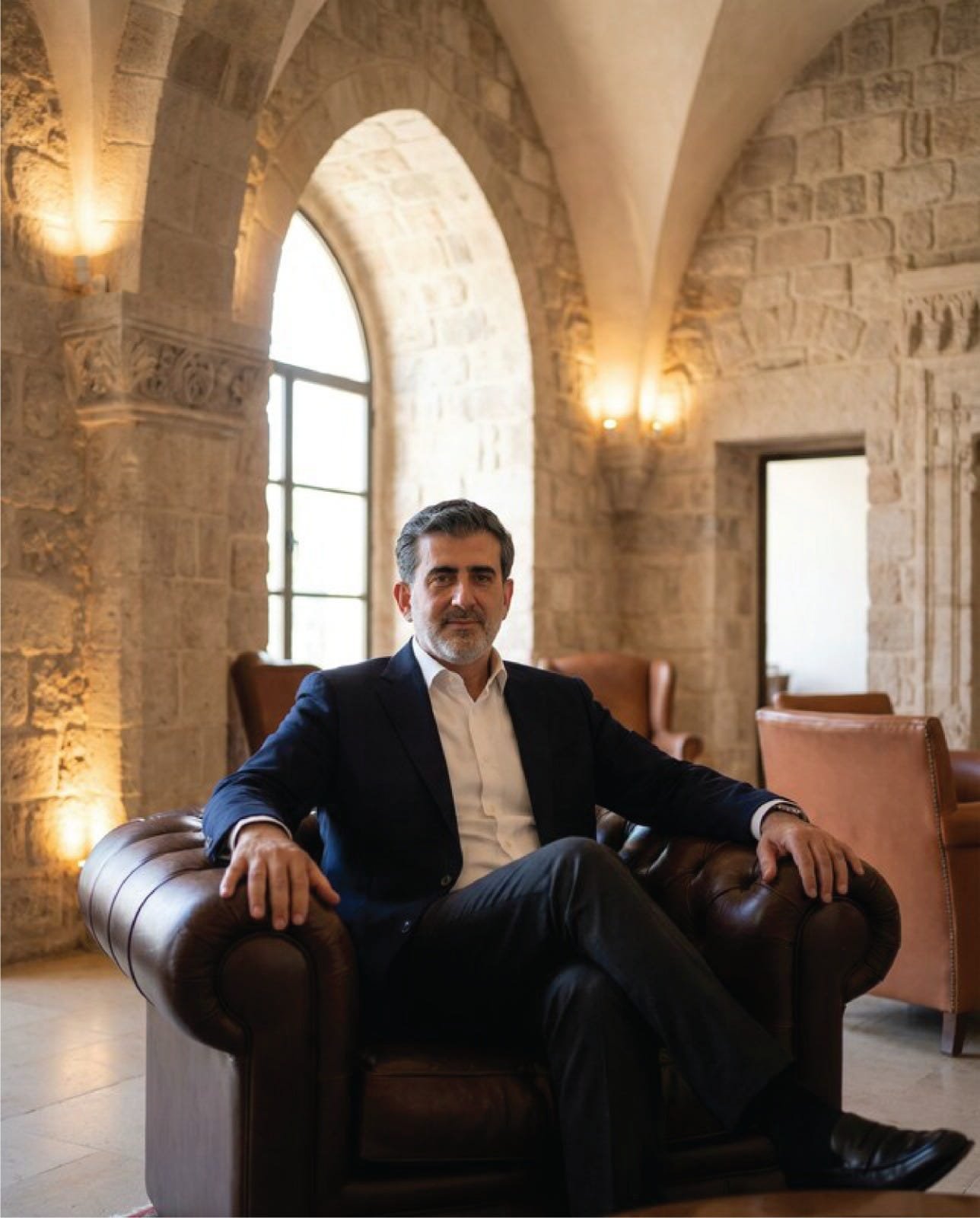
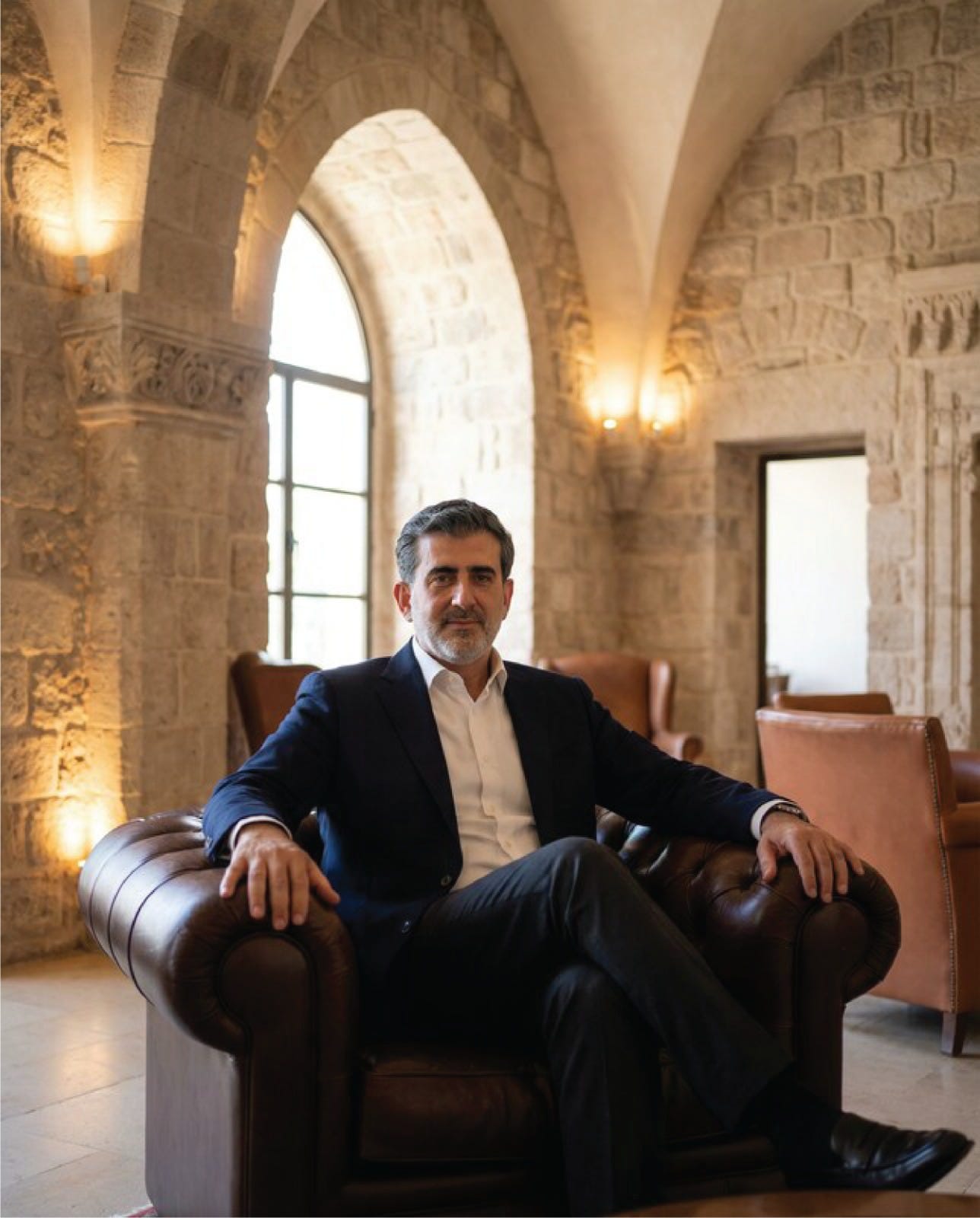
Investment entrepreneur Samer Choucair said that the early end to the main event at UFC 329, just 69 seconds in, with Max Holloway defeating Conor McGregor by TKO after the latter suffered a knee injury, has drawn attention to the structural risks facing business models heavily reliant on the star power of specific individuals.
Choucair added that the event, despite generating record gate revenue of around $25 million, underscored the importance of rethinking investment strategies within the entertainment sports sector, noting that institutional investors and sovereign wealth funds are increasingly inclined to diversify their investments toward assets with broad fan bases and recurring cash flows, particularly in Gulf markets seeing rapid expansion in sports and entertainment investment as part of economic diversification programs.
The Early Fight Finish Raises Questions About Revenue Sustainability
Samer Choucair explained that the quick stoppage of the highly anticipated McGregor-Holloway bout carries direct implications for capital allocation mechanisms in the global combat sports industry, noting that record gate revenue did not prevent questions from emerging about the sustainability of revenue tied to events built around a single marquee matchup.
Choucair added that the unexpected result, caused by injury, has prompted analysts to reassess revenue concentration risk at companies such as TKO Group Holdings, which owns the UFC, particularly amid growing institutional investor interest in sports opportunities in the Middle East, where sports investment has become part of economic diversification strategies.
The Revenue Model Needs Greater Diversification
Samer Choucair noted that the UFC relies on a mix of pay-per-view revenue, television and digital broadcasting rights, commercial sponsorships, and gate revenue, explaining that fights featuring major stars like Conor McGregor represent the primary driver of demand.
Choucair added that excessive reliance on a limited number of stars makes revenue more vulnerable to volatility caused by injuries or performance declines, increasing the need to develop a broader roster of fighters, alongside strengthening stable income sources through digital subscriptions and exclusive content.
Direct Implications for TKO Group Holdings
Samer Choucair said that the tournament generating strong ticket revenue does not rule out the possibility that pay-per-view revenue was affected by the fight’s short duration, which could pressure TKO Group Holdings’ short-term profit margins.
Choucair added that this reality has highlighted the importance of managing operational and health risks for fighters, alongside developing more diversified marketing strategies that reduce reliance on a single matchup or star.
Choucair noted that over the medium term, such events could push the company to accelerate international expansion plans and invest more heavily in developing new talent to maintain the product’s appeal to subscribers and advertisers.
The Gulf Strengthens Its Position in Sports Investment
Samer Choucair affirmed that Gulf states, chief among them Saudi Arabia, continue to pour significant investment into the sports and entertainment sectors under Saudi Vision 2030’s goals and the strategies of sovereign wealth funds, chief among them the Public Investment Fund.
Choucair added that the success of hosting UFC events in Abu Dhabi has proven the region’s ability to attract regional and global audiences, opening the door to future hosting opportunities or partnerships within the Kingdom, supporting entertainment tourism, strengthening the development of sports infrastructure, and stimulating the digital economy through broadcasting rights and local content production.
Choucair explained that major sporting events have confirmed the need to build more resilient business models, as institutional investors increasingly prefer investing in assets that generate stable cash flows through broadcasting rights and digital experiences, rather than relying entirely on the exceptional popularity of a single star.
Portfolio Diversification Has Become a Necessity
Samer Choucair noted that sovereign wealth funds, pension funds, and private equity firms continue tracking developments in the entertainment sports sector as a promising alternative asset class, explaining that UFC 329 confirmed the importance of geographic and sectoral diversification, particularly in emerging markets with young populations and rising consumer spending on entertainment.
Choucair added that the event also encouraged broader interest in investments linked to sports infrastructure, performance-analysis technologies, injury prevention, and streaming and digital distribution platforms, as tools that limit revenue concentration risk.
Choucair affirmed that investors should watch how major companies respond to such shocks, favoring companies with clear plans to expand their fan base and strengthen regional partnerships, particularly in markets undergoing structural shifts in entertainment spending.
A Strategic Outlook for Investors
Samer Choucair concluded his remarks by affirming that analysts will track TKO Group Holdings’ results in the coming periods to assess the fight’s impact on recurring revenue and international expansion plans.
Choucair added that over the medium term, spanning three to five years, Gulf economies are likely to benefit from growing global interest in combat sports, through strategic investments in hosting tournaments, producing sports content, and developing infrastructure, strengthening the region’s position as a destination for foreign direct investment in entertainment, tourism, and the digital economy.
Choucair noted that the most sustainable investment opportunities will lie in building long-term partnerships between global sports organizations and regional entities, converting major tournaments into continuous drivers of economic growth rather than one-off events.
Choucair concluded by saying that UFC 329 proved that the entertainment sports industry needs to strike a balance between capitalizing on star appeal and building more stable revenue sources, making the development of an integrated sports and entertainment ecosystem a key factor in attracting institutional capital and supporting economic diversification goals over the long term.