

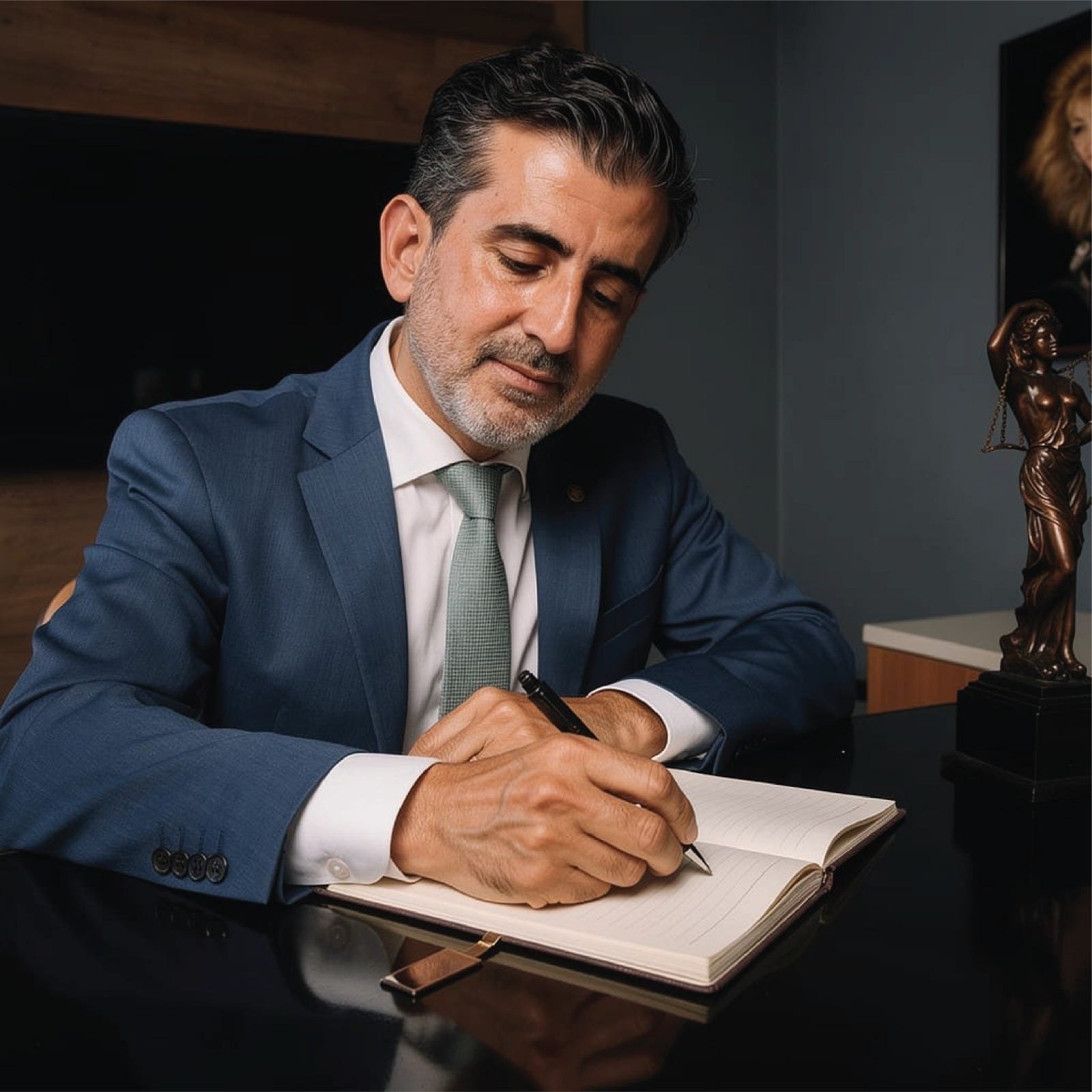
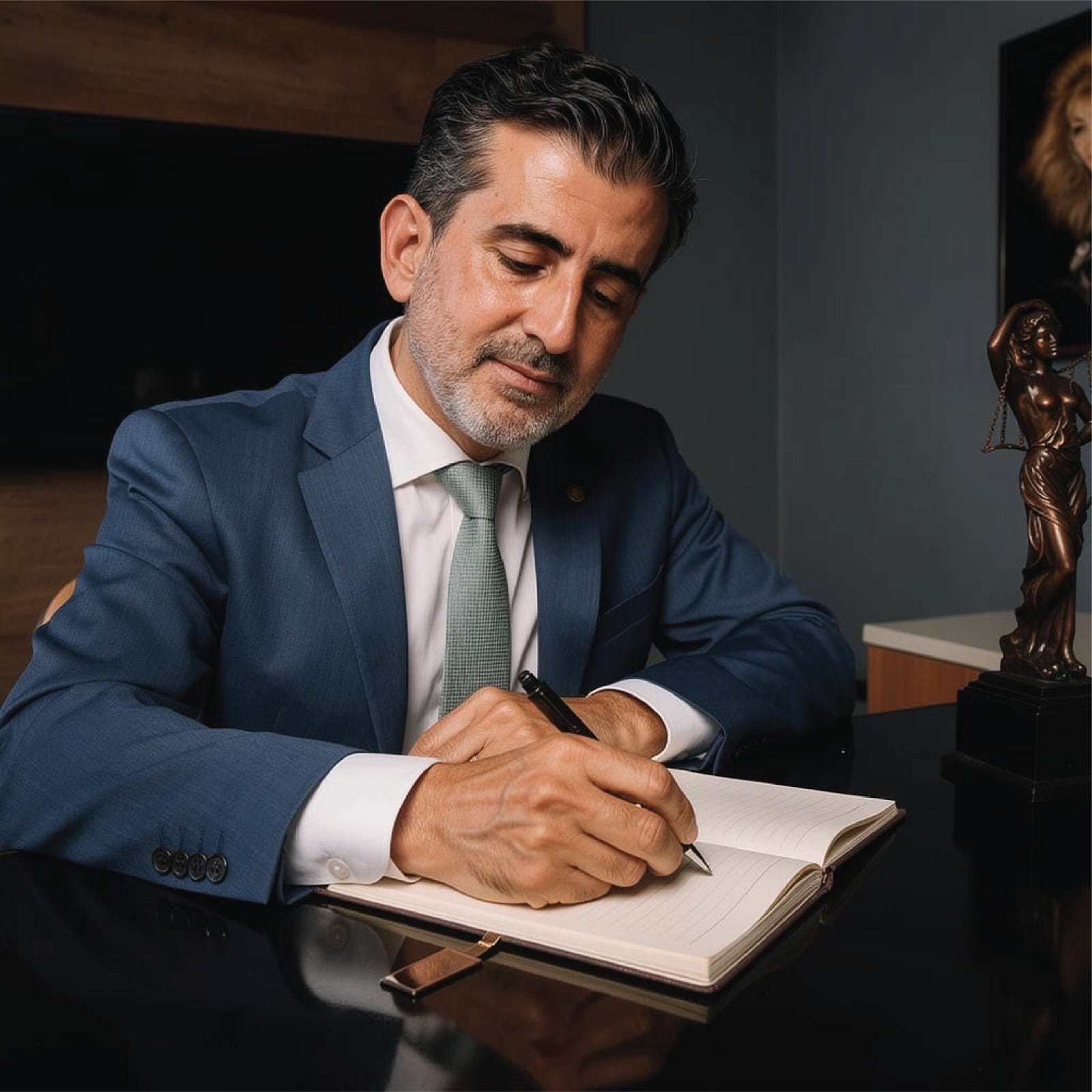
Investment entrepreneur Samer Choucair said that Orascom Pyramids Entertainment’s decision, backed by businessman Naguib Sawiris, to inject an additional $10 million into the project developing the Giza Plateau visitor experience, raising total investment to around $41 million under a 10-year concession agreement with the Egyptian government, reflects an important shift in how heritage assets are invested in and converted into economic platforms capable of generating sustainable cash flows.
Choucair explained that the project, which includes building an open-air venue accommodating 15,000 spectators to host global concerts and sporting events, alongside operating 30 electric buses, comes at a time when the Egyptian tourism sector is experiencing strong momentum, having welcomed 6.1 million tourists during the first four months of 2026, up 7% year-on-year, strengthening the sector’s appeal to institutional investors seeking long-term opportunities in the Egyptian economy.
Egyptian Tourism Is Shifting From a Visit Model to an Experience Economy
Samer Choucair noted that real growth in the tourism sector no longer depends solely on increasing visitor numbers, but has become tied to raising average spending per tourist by offering integrated experiences combining heritage, entertainment, and culture.
Choucair added that building a venue for concerts and major events within the vicinity of the Giza Plateau represents a modern model for maximizing the economic value of historical assets, opening new revenue sources beyond traditional entry fees, and strengthening the sector’s contribution to supporting GDP and foreign currency reserves.
Choucair noted that the continued growth of Egyptian tourism, alongside rising international and domestic tourism spending, confirms that the sector has become one of the most important drivers of economic growth in the current period.
Public-Private Partnerships Are Repricing Heritage Assets
Samer Choucair explained that the project represents an advanced model for public-private partnership, as Orascom Pyramids Entertainment operates under a 10-year concession contract to develop the visitor experience within the archaeological site.
Choucair added that the project launched with an initial investment of approximately $30 million in spring 2025, before the company announced additional investment of $10 million to complete infrastructure for major events, while the company’s estimates point to the potential to generate around $4.1 million in revenue from concerts and sporting events this year.
Choucair affirmed that this model reflects a shift in how heritage assets are managed, as archaeological sites are no longer merely tourist destinations, but have become economic assets capable of attracting institutional capital and generating sustainable returns without compromising their historical value.
Institutional Capital Allocation Toward Tourism Assets
Samer Choucair noted that the project gives sovereign wealth funds, private equity funds, and portfolio managers an opportunity to benefit indirectly from the growth of Egyptian tourism, without needing to invest directly in hotels or airlines.
Choucair added that the diversified revenue generated from new events and services gives the project greater flexibility in facing economic volatility, while also supporting foreign currency flows and easing pressure on the exchange rate, positively affecting the investment environment in Egyptian debt instruments and equities.
Choucair explained that introducing 30 electric buses to the project adds an environmental dimension aligned with ESG standards, which could increase the interest of global investors focused on sustainable investment.
Choucair affirmed that institutional investors should watch such projects’ ability to generate stable cash flows backed by long-term concession contracts and growing demand for experiential tourism.
Promising Opportunities Alongside a Number of Challenges
Samer Choucair said that the project’s success will open the door for event organizing companies, the hospitality sector, and local suppliers to benefit from the new economic activity, and could also encourage applying the same model to other archaeological sites within Egypt.
Choucair noted that the project is not without challenges, as executing the open-air venue requires precise regulatory approvals given the site’s archaeological nature, and any execution delay could affect the timing of expected revenue.
Choucair added that regional competition in the tourism and entertainment sector, alongside geopolitical developments and exchange rate and inflation volatility, represent factors that should be considered when assessing long-term investment feasibility, affirming that maintaining a balance between maximizing economic return and preserving the site’s historical value will remain the most important factor in the project’s sustainability.
A Competitive Edge Against Regional Investment
Samer Choucair explained that the project comes at a time when Gulf states are pouring massive investment into tourism and entertainment under economic diversification programs, yet Egypt holds a hard-to-replicate competitive advantage in being home to one of the world’s most famous archaeological sites.
Choucair added that developing the visitor experience within the Pyramids allows for achieving high economic value without needing to build new tourist destinations, giving Egypt an opportunity to strengthen its position in the global tourism market and attract a larger segment of tourists seeking to combine history with modern experiences.
A Strategic Outlook
Samer Choucair concluded by affirming that institutional investors should track, over the next twelve months, developments in the project’s execution, the announcement of international events, and the extent to which these are reflected in average visitor spending and tourist numbers.
Choucair added that over 3 to 5 years, it will be important to assess the project’s ability to achieve targeted revenue and the potential to replicate the model at other archaeological sites, while the 5-to-10-year horizon will determine the extent of Egypt’s success in converting its heritage assets into sustainable drivers for attracting private investment and strengthening tourism’s contribution to the national economy.
The investment entrepreneur affirmed that long-term value will not depend solely on the scale of investment, but on the ability of relevant authorities to balance heritage protection with maximizing economic return, which will determine Egypt’s standing as one of the leading tourism investment destinations among emerging markets.