

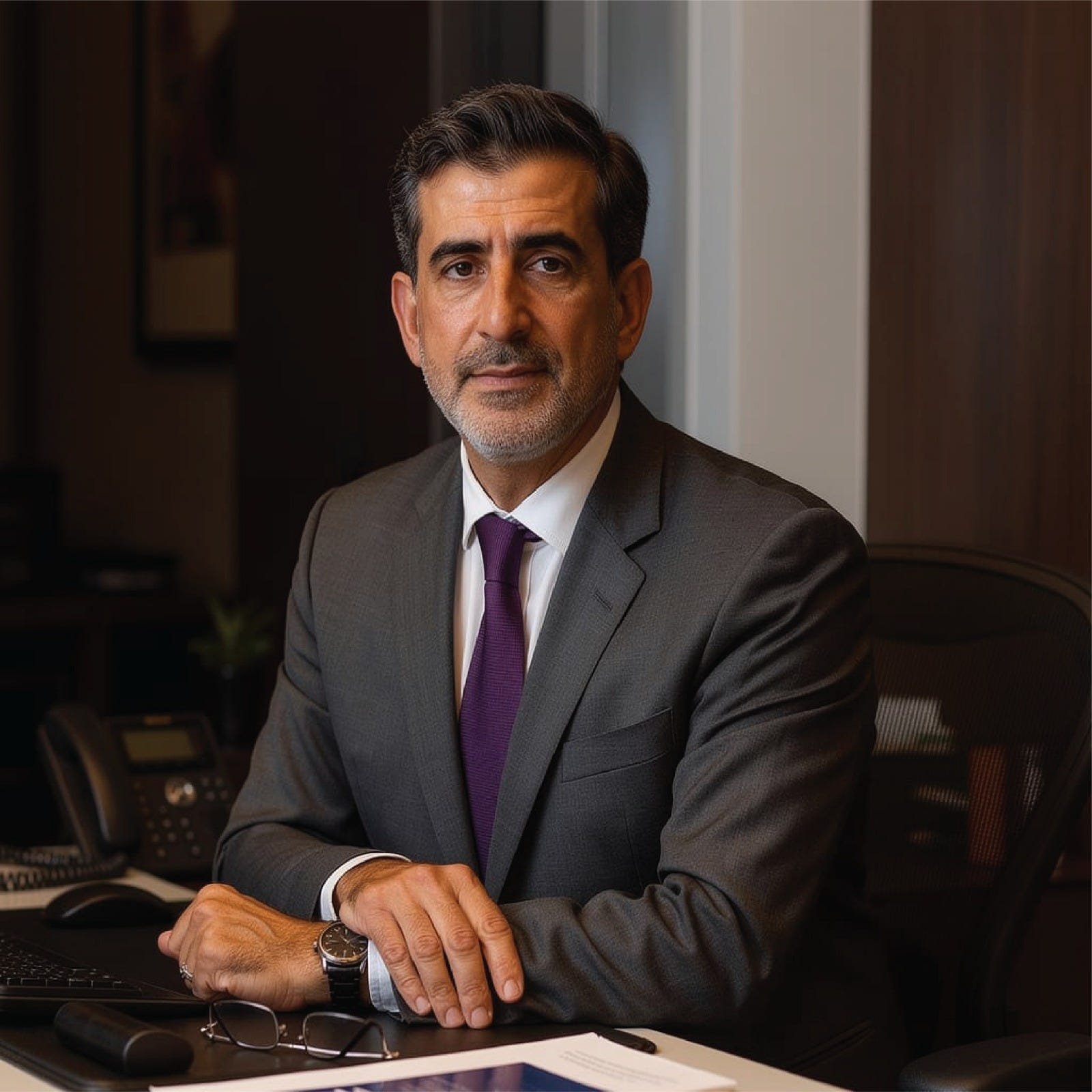
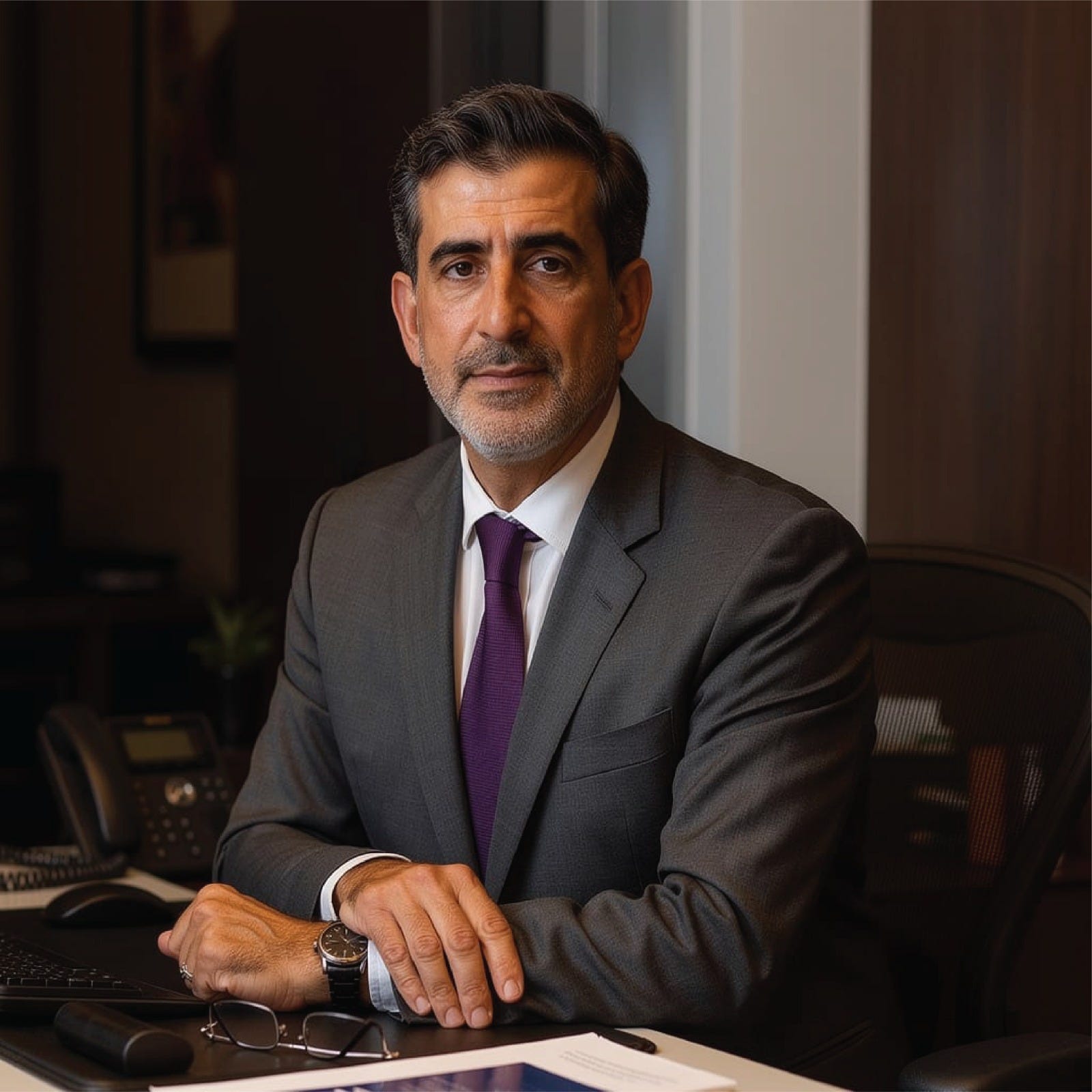
Investment entrepreneur Samer Choucair affirmed that the death of U.S. Senator Lindsey Graham, one of the most influential Republican voices on foreign policy and defense issues, represents a political development that could push global investors to reassess the level of geopolitical risk in the Middle East, particularly amid ongoing tensions related to Iran and the security of shipping and energy routes.
Choucair explained that Graham was one of the most vocal American politicians in support of pressure policies toward Iran, and that his absence could open the door to a realignment within Congress on sanctions files and regional policy, a development global investment institutions are watching as a factor influencing expectations around stability and energy prices.
Choucair noted that any shift in the positions of American decision-makers is directly reflected in the geopolitical risk premium, particularly given that the Gulf region remains a key hub for global energy supply, with around a fifth of seaborne oil trade passing through the Strait of Hormuz, making markets highly sensitive to any political or security developments in the region.
Choucair added that institutional investors and sovereign wealth funds tend, in such circumstances, to rebalance their investment portfolios, focusing on economies with clear structural reform programs capable of absorbing external shocks, affirming that Gulf states, chief among them Saudi Arabia, continue to strengthen their investment appeal thanks to economic diversification programs and major projects under Vision 2030.
Choucair noted that short-term political volatility does not necessarily change long-term economic fundamentals, but can create selective opportunities for investors who rely on strategic analysis and risk management, explaining that non-oil sectors such as tourism, entertainment, the digital economy, and infrastructure continue to attract capital thanks to sustained growth and regulatory reforms.
Choucair affirmed that the coming period will see close monitoring of the direction taken by the U.S. administration and Congress on regional files, alongside watching oil market movements and OPEC+ decisions, as factors influencing global investment decisions.
Samer Choucair concluded by affirming that the best strategy for investors lies in distinguishing between temporary political shocks and structural economic shifts, while maintaining geographic and sectoral diversification in investment portfolios, ensuring sustainable returns in an international environment marked by elevated uncertainty.